Oolong Tea
Oolong tea is partially oxidized, sitting between green and black tea. It is the most diverse category: light floral oolongs like Tie Guan Yin, roasted Wuyi cliff teas like Da Hong Pao, and honeyed Oriental Beauty. Oolongs reward multiple short infusions.
Iconic Expressions
Popular Oolong Teas
Canonical examples of oolong tea from core producing regions, each profiled with flavor, origin, and brewing guidance.
China
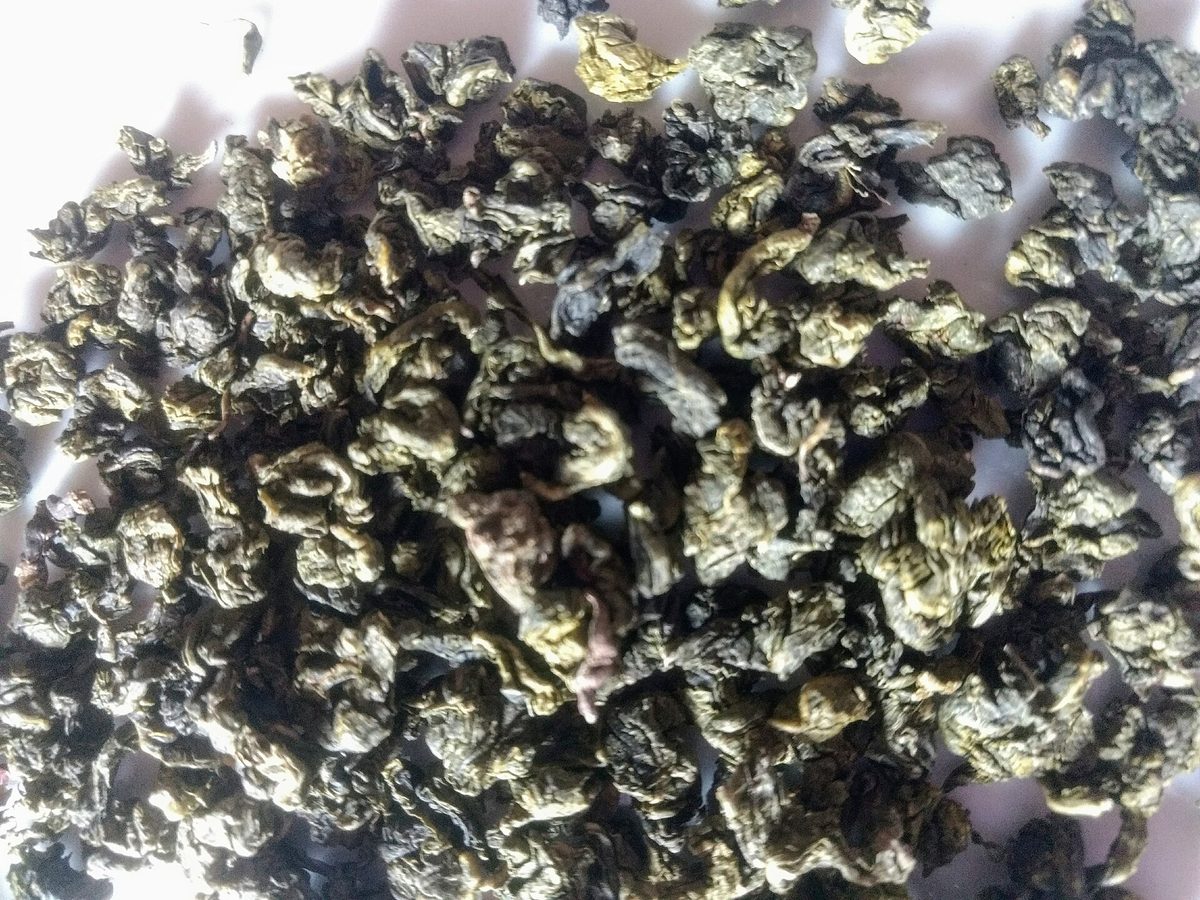
Tie Guan Yin
Oolong Tea · China
Floral · Creamy · Fresh
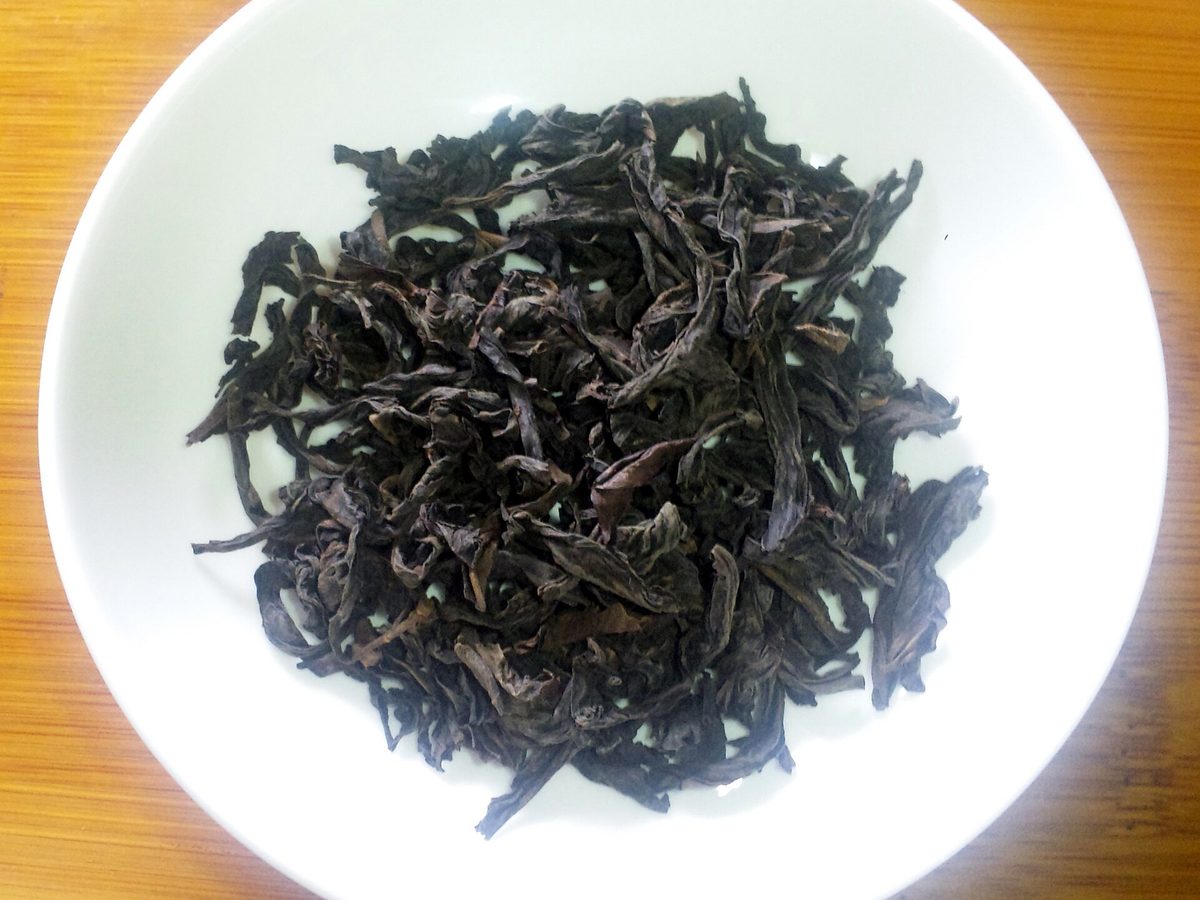
Da Hong Pao
Oolong Tea · China
Roasted · Mineral · Fruity
Shui Xian
Oolong Tea · China
Woody · Floral · Mineral
Rou Gui
Oolong Tea · China
Spicy · Roasted · Mineral
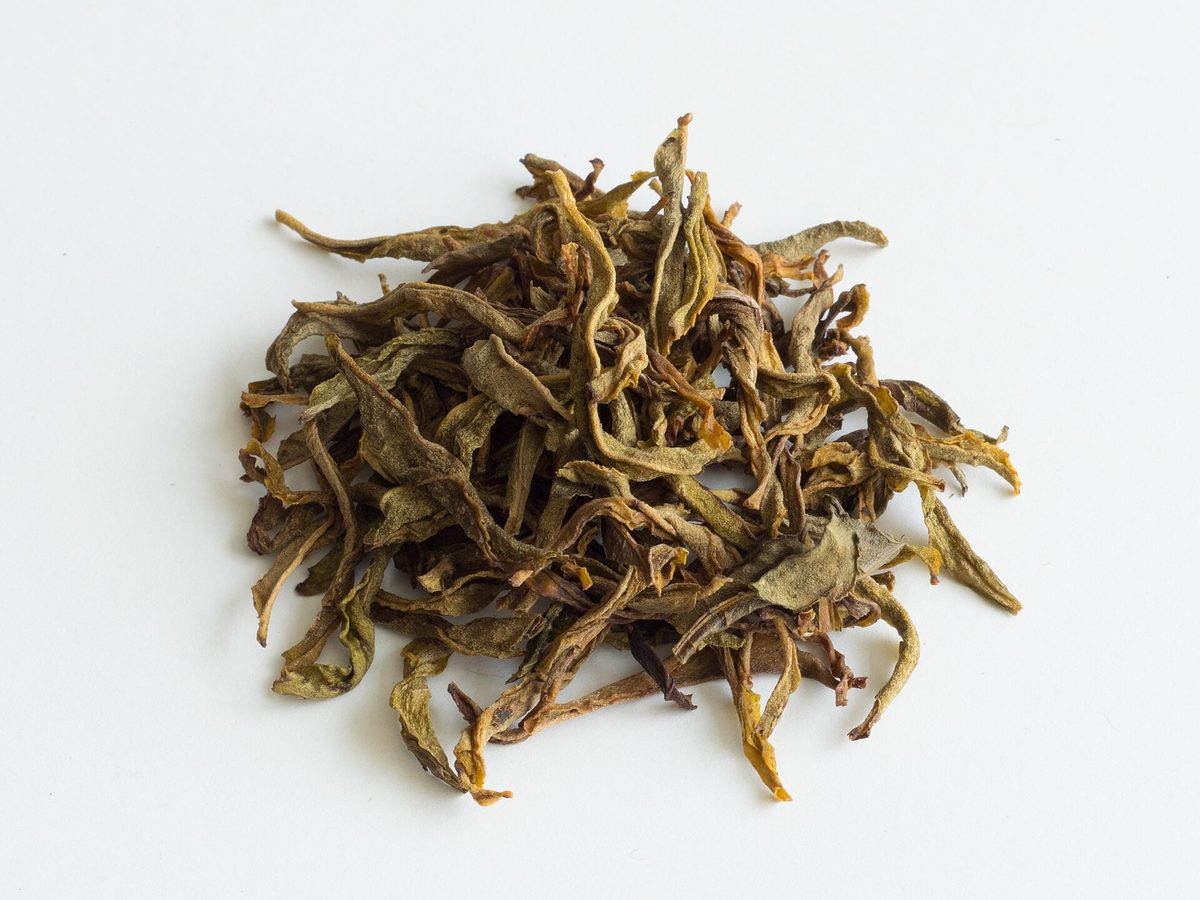
Bai Ji Guan
Oolong Tea · China
Honeyed · Floral · Citrus
Tie Luo Han
Oolong Tea · China
Roasted · Mineral · Woody
Shui Jin Gui
Oolong Tea · China
Roasted · Fruity · Mineral
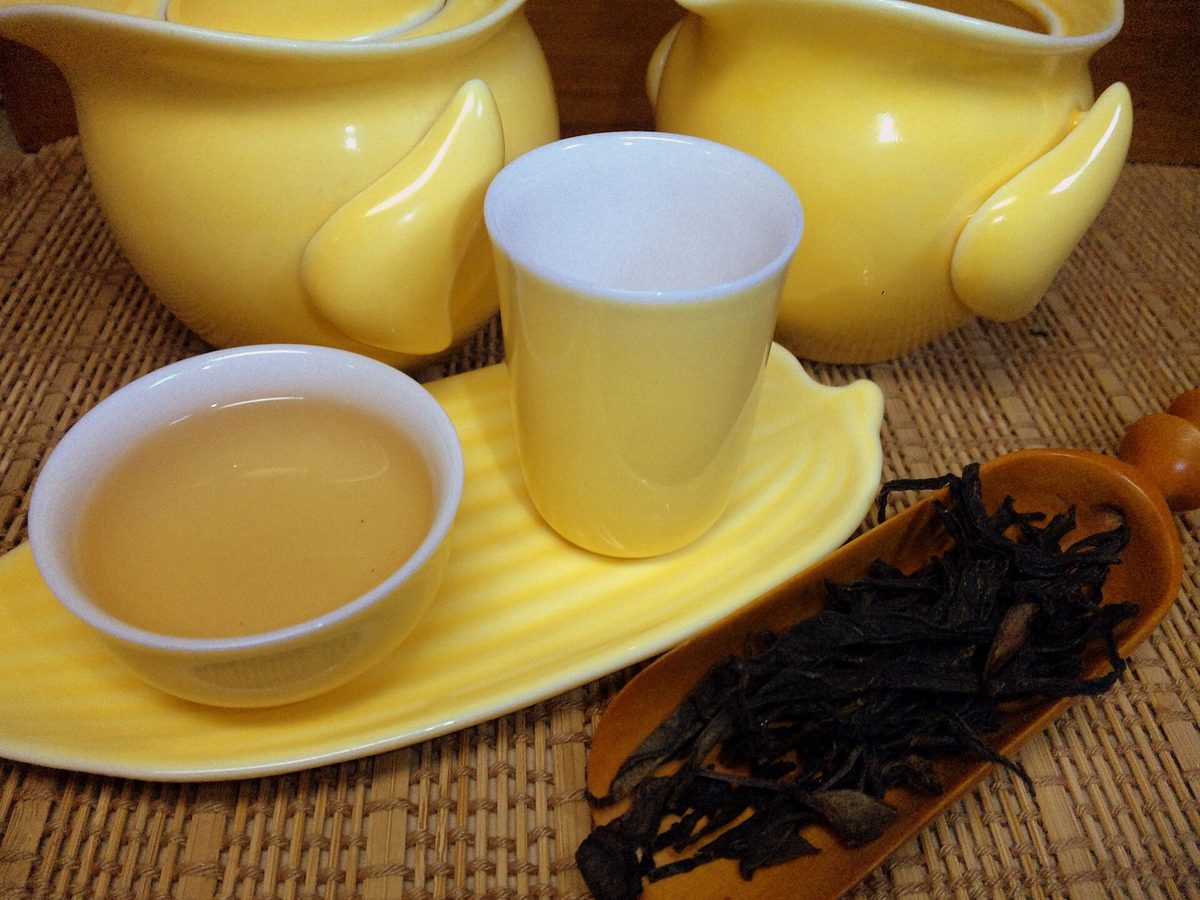
Phoenix Dan Cong
Oolong Tea · China
Fruity · Floral · Honeyed
Mi Lan Xiang
Oolong Tea · China
Honeyed · Floral · Fruity
Ya Shi Xian
Oolong Tea · China
Floral · Honeyed · Mineral
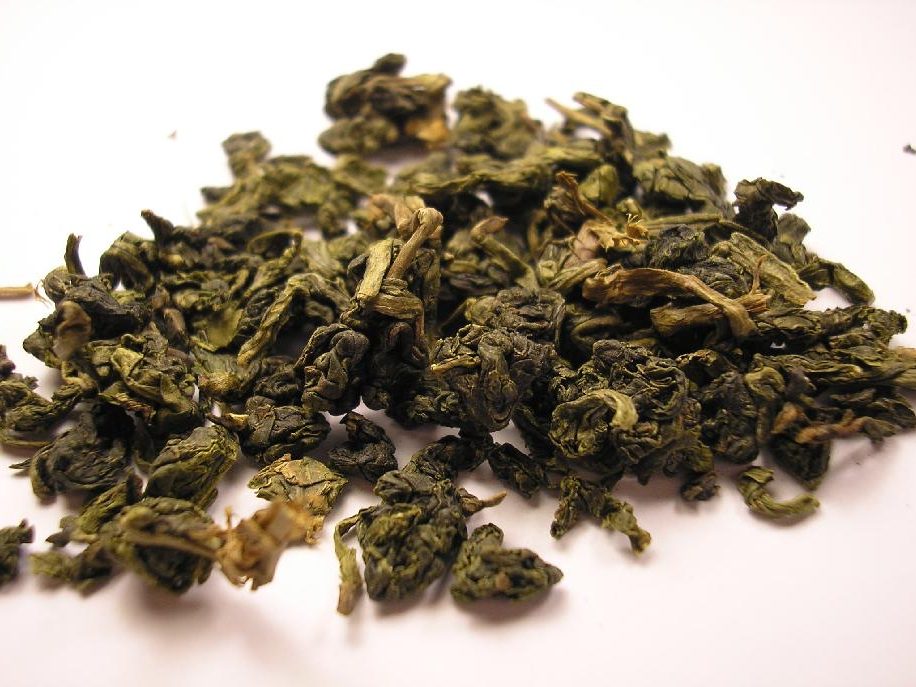
Huang Guan Yin
Oolong Tea · China
Floral · Fruity · Creamy
Yong Chun Fo Shou
Oolong Tea · China
Floral · Sweet · Smooth
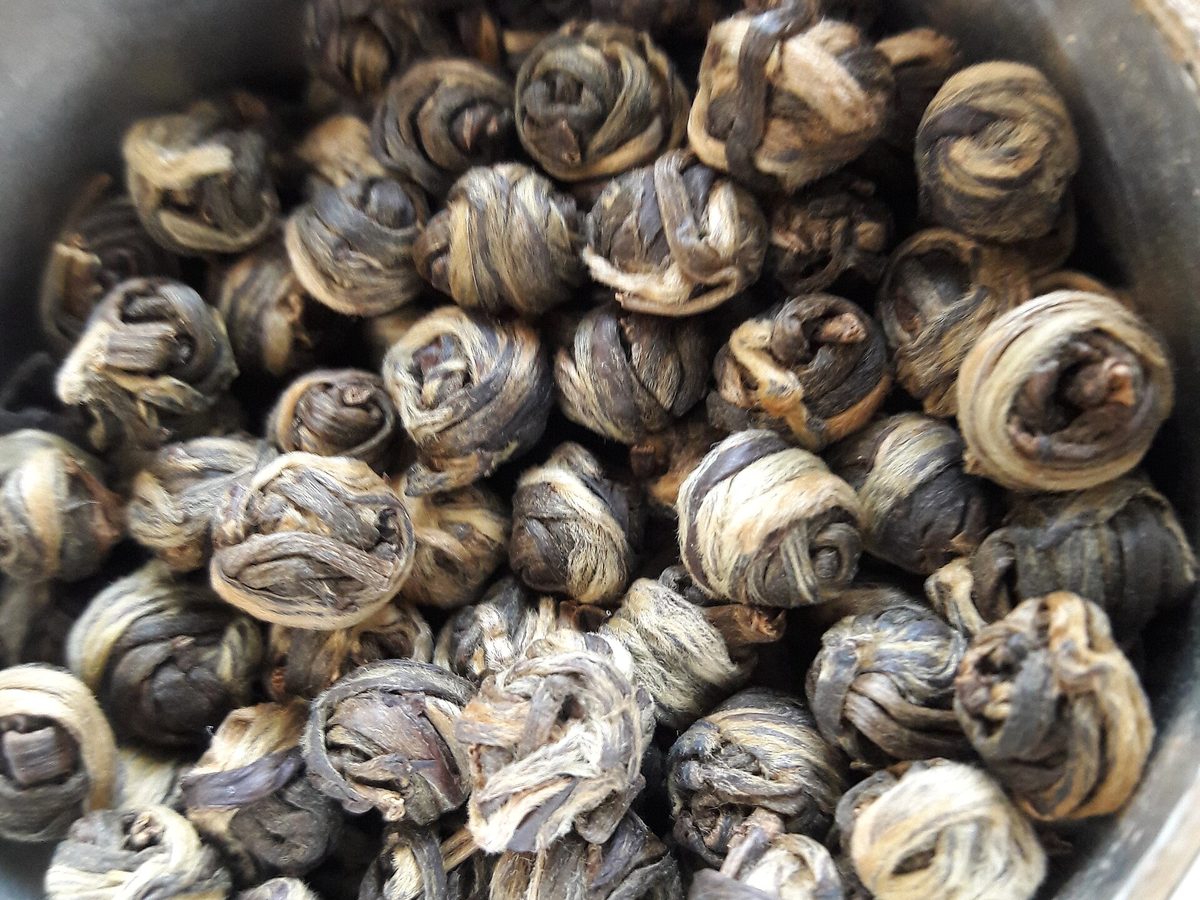
Aged Oolong
Oolong Tea · China
Woody · Fruity · Earthy
Mao Xie
Oolong Tea · China
Floral · Fresh · Sweet
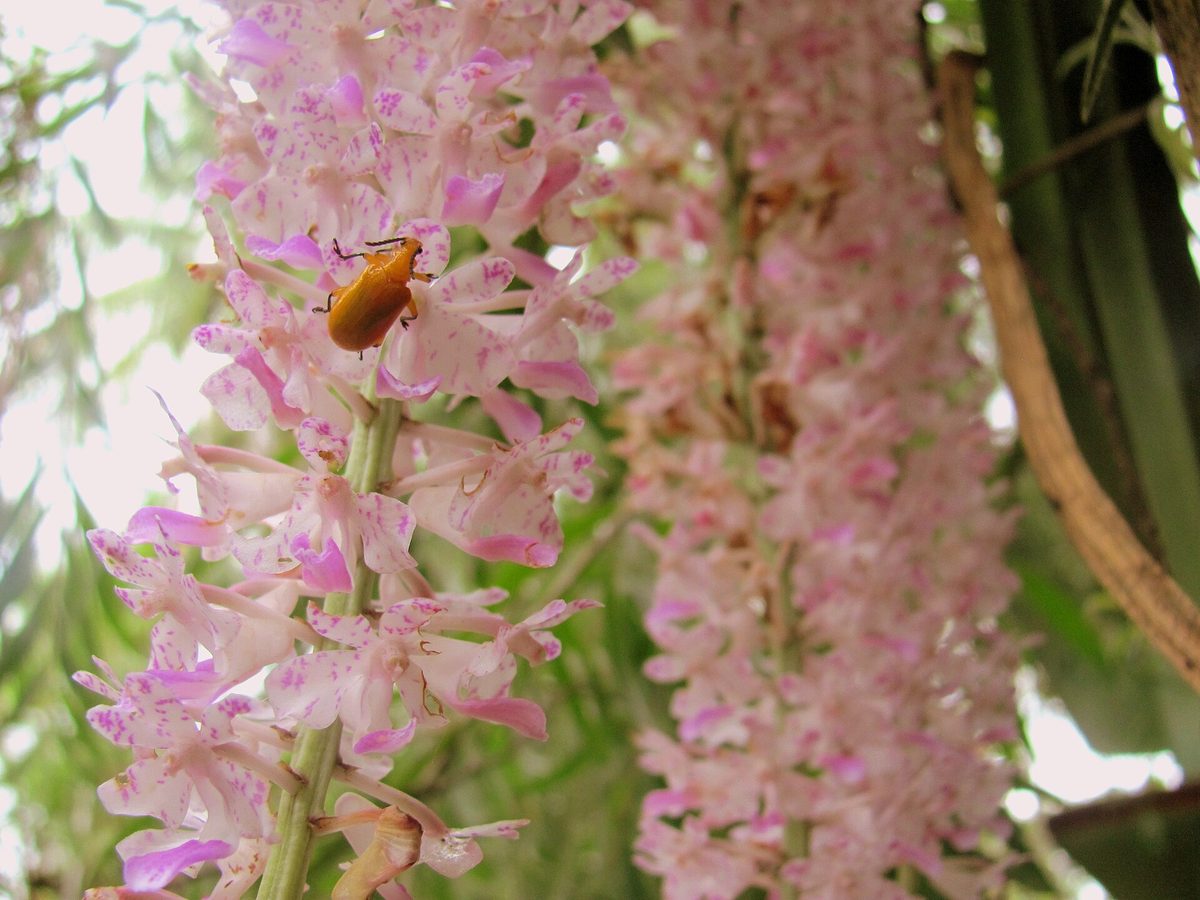
Qi Lan
Oolong Tea · China
Floral · Honeyed · Mineral
Bei Dou
Oolong Tea · China
Mineral · Floral · Roasted
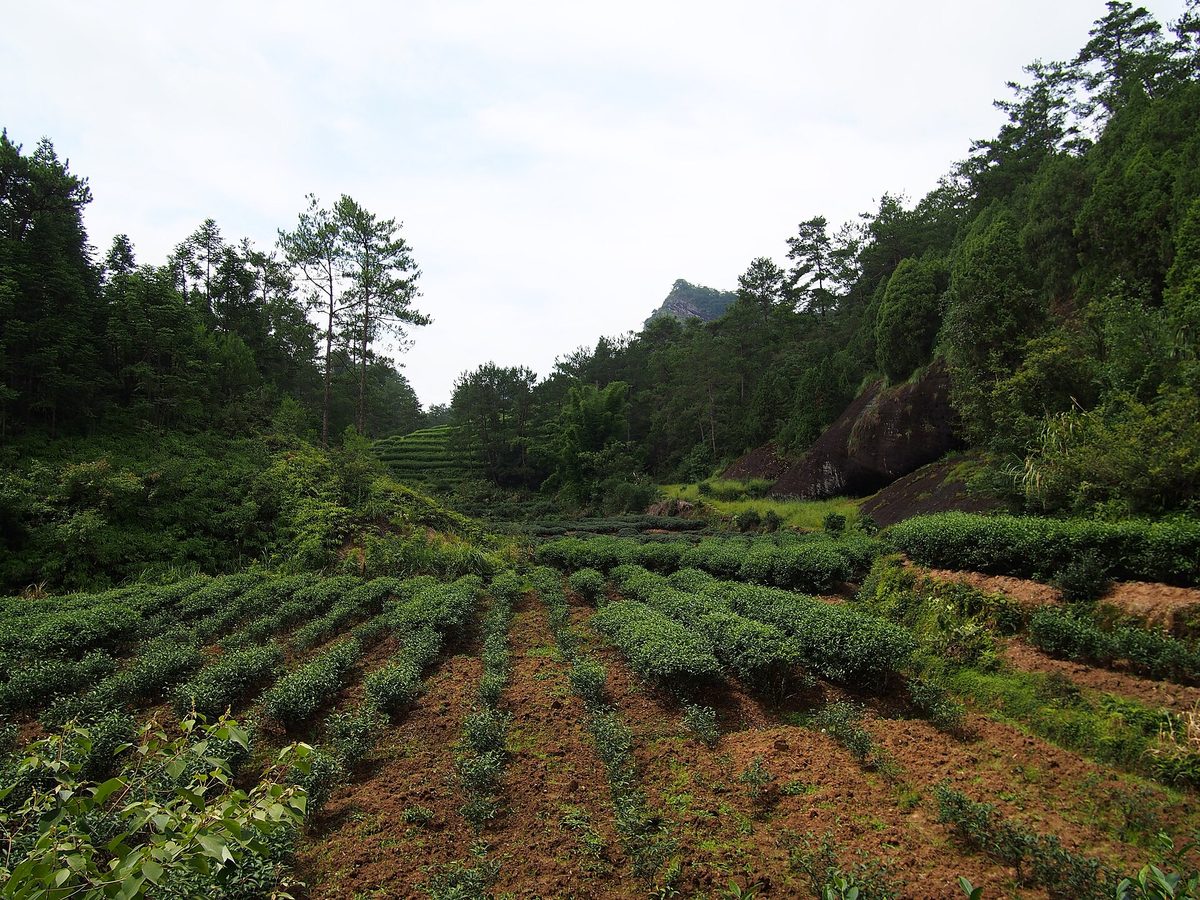
Que She
Oolong Tea · China
Mineral · Floral · Roasted
Taiwan
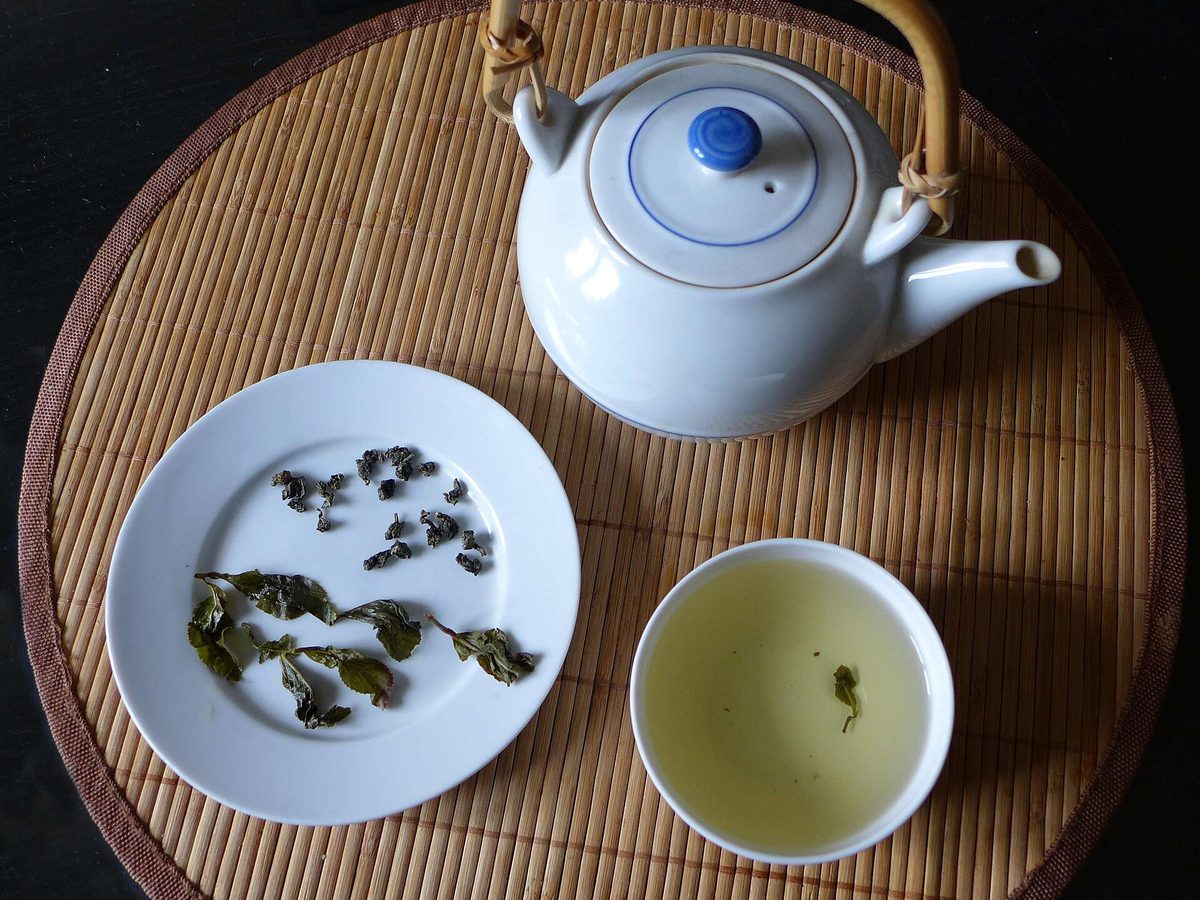
Dong Ding
Oolong Tea · Taiwan
Roasted · Creamy · Floral
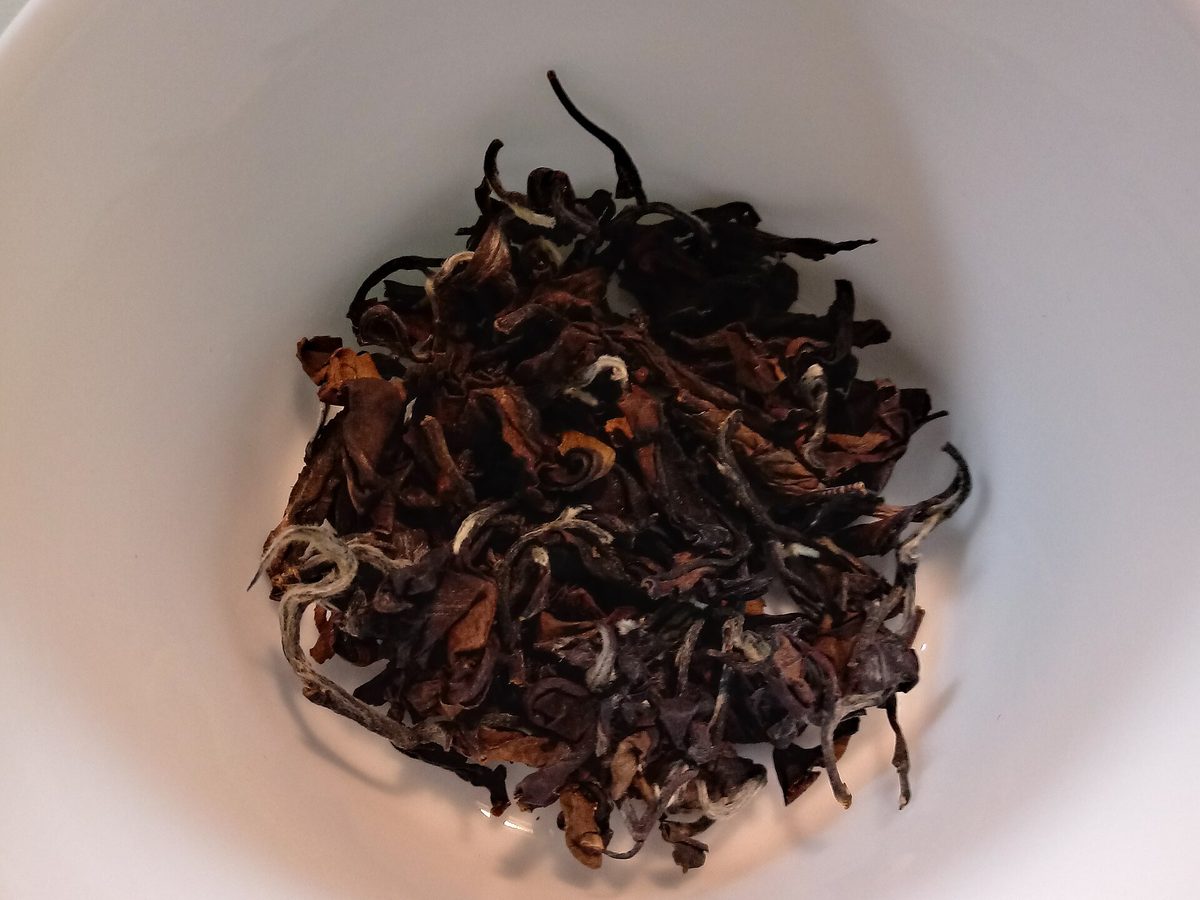
Oriental Beauty
Oolong Tea · Taiwan
Honeyed · Fruity · Floral
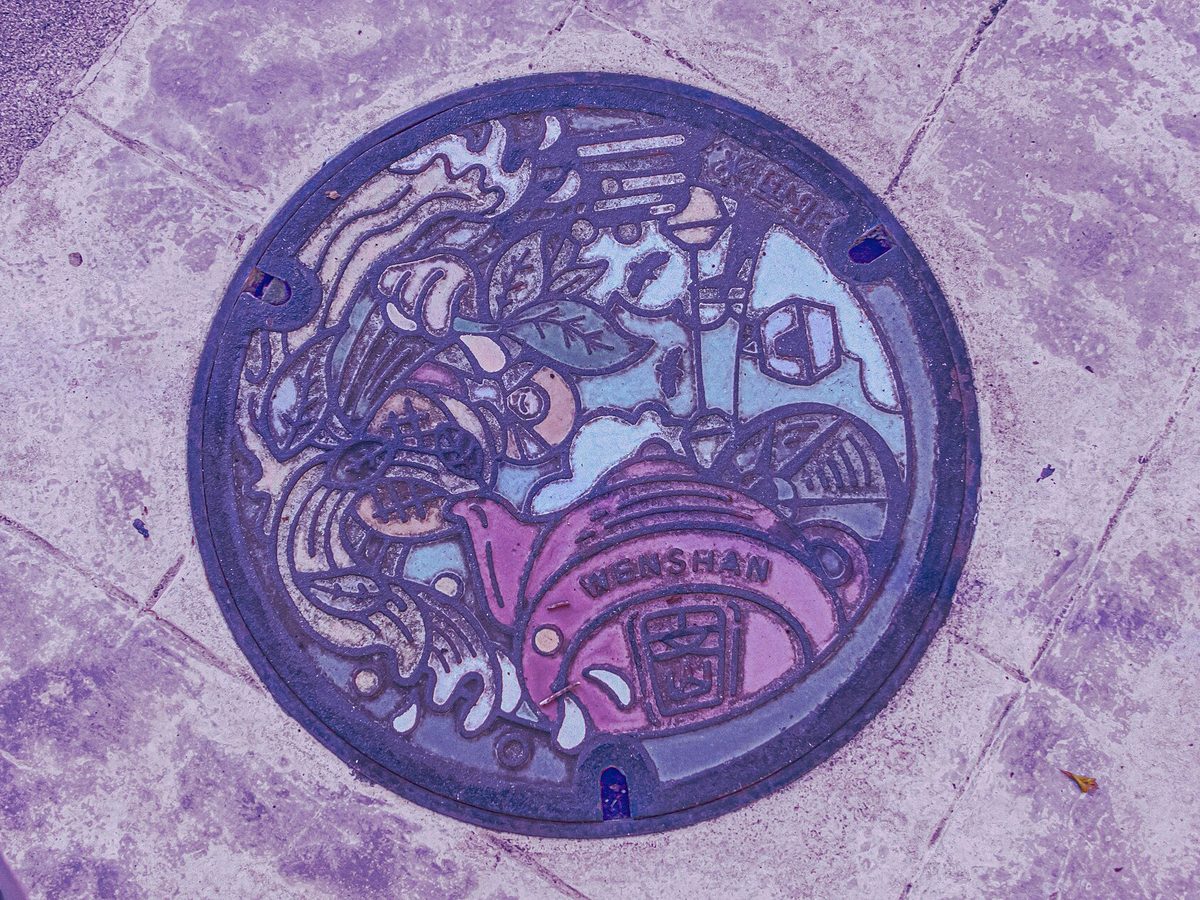
Baozhong
Oolong Tea · Taiwan
Floral · Fresh · Sweet
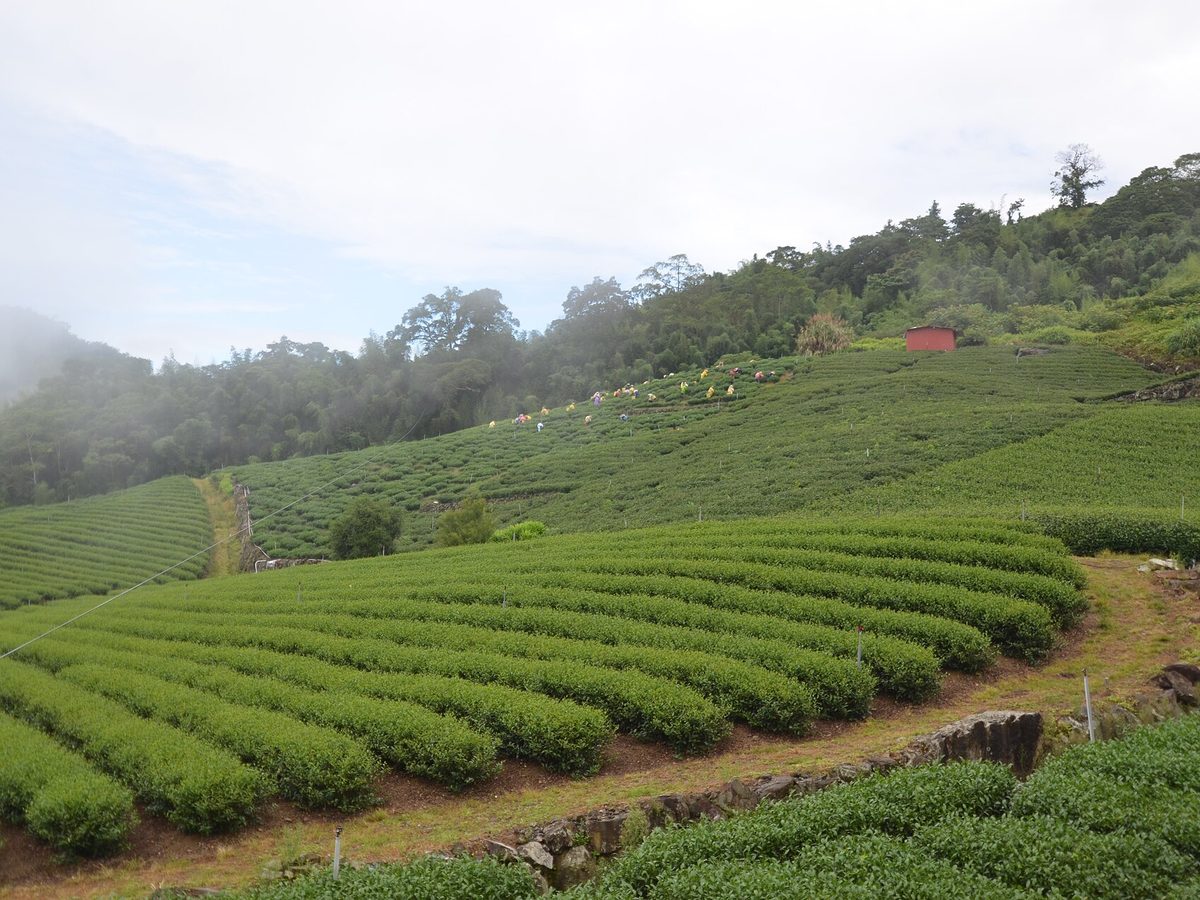
Alishan
Oolong Tea · Taiwan
Floral · Creamy · Sweet
Lishan
Oolong Tea · Taiwan
Floral · Creamy · Mineral
Dayuling
Oolong Tea · Taiwan
Mineral · Floral · Sweet
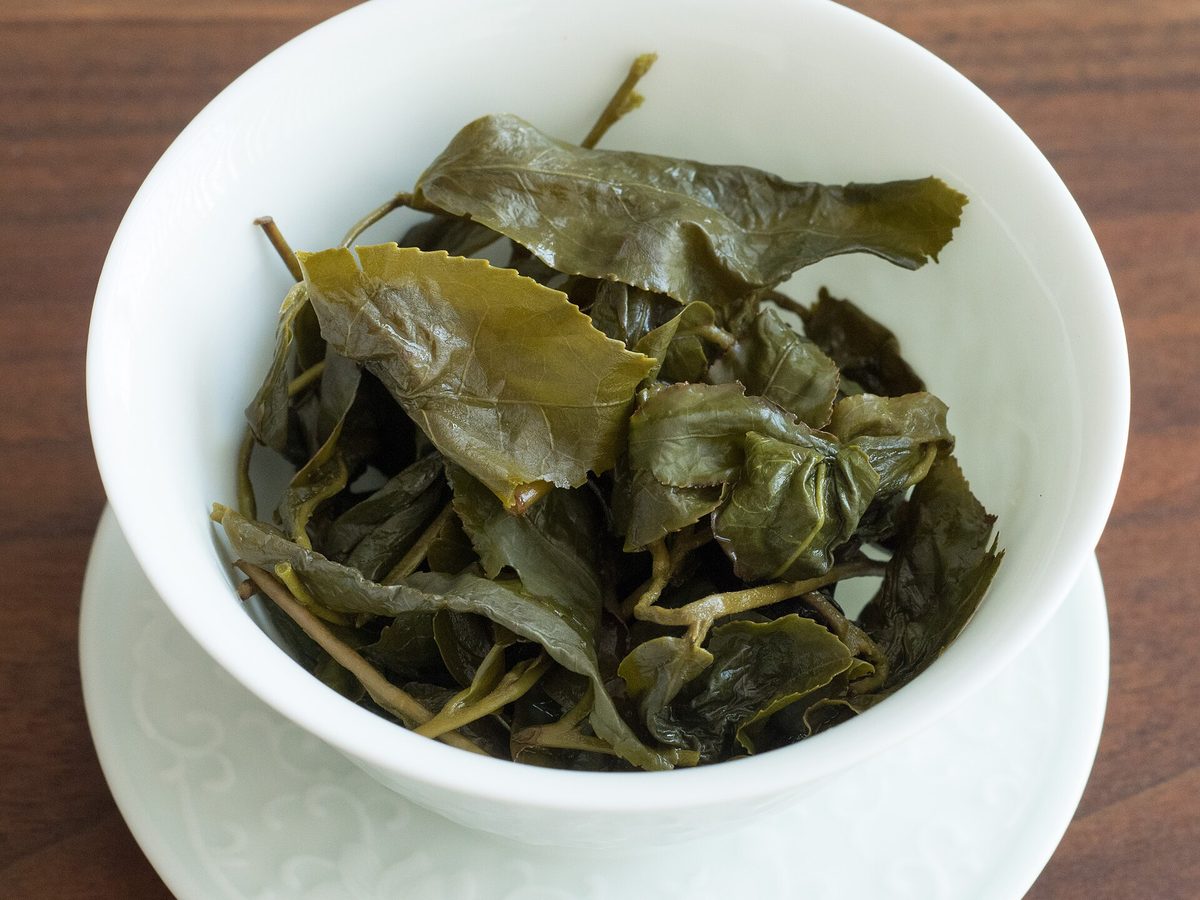
Jin Xuan
Oolong Tea · Taiwan
Creamy · Floral · Sweet
Cui Yu
Oolong Tea · Taiwan
Grassy · Floral · Fresh
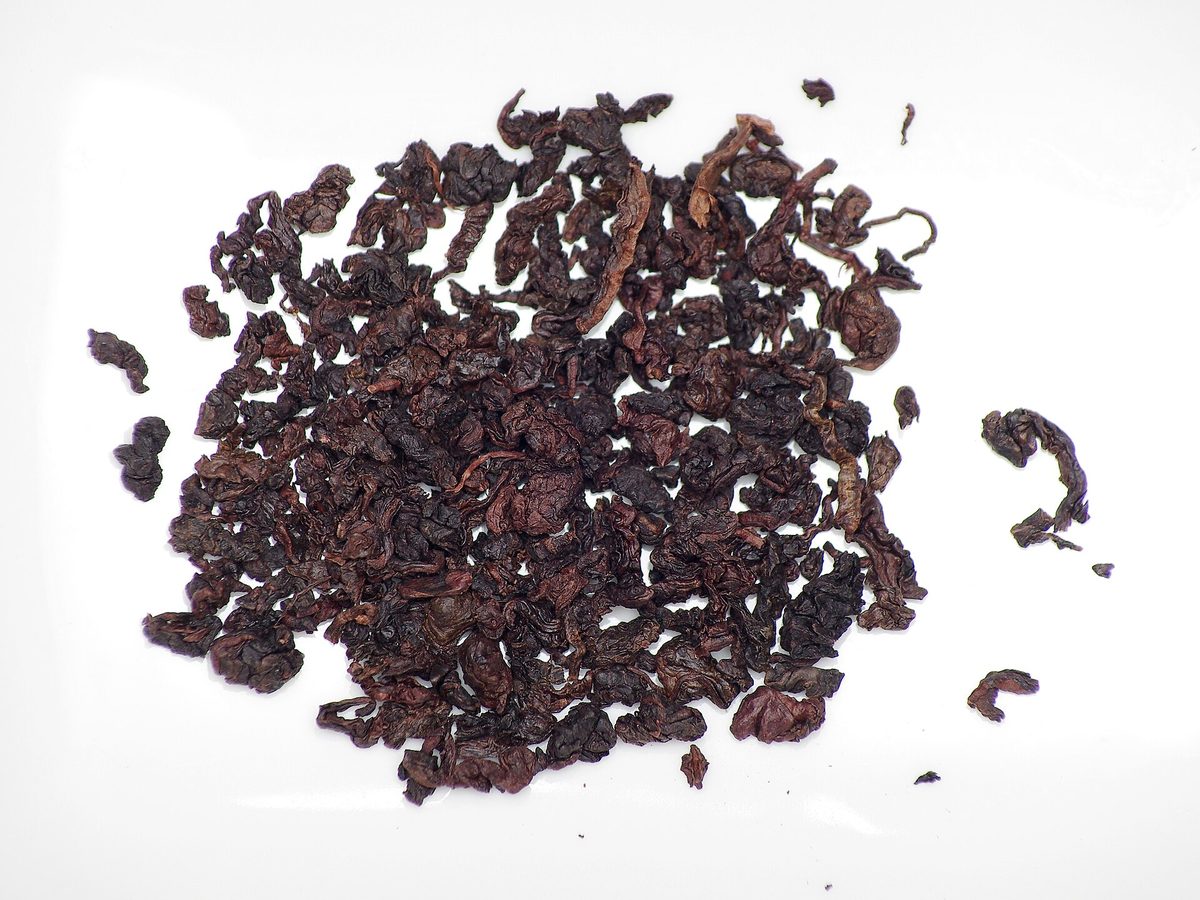
GABA Oolong
Oolong Tea · Taiwan
Fruity · Smooth · Sweet
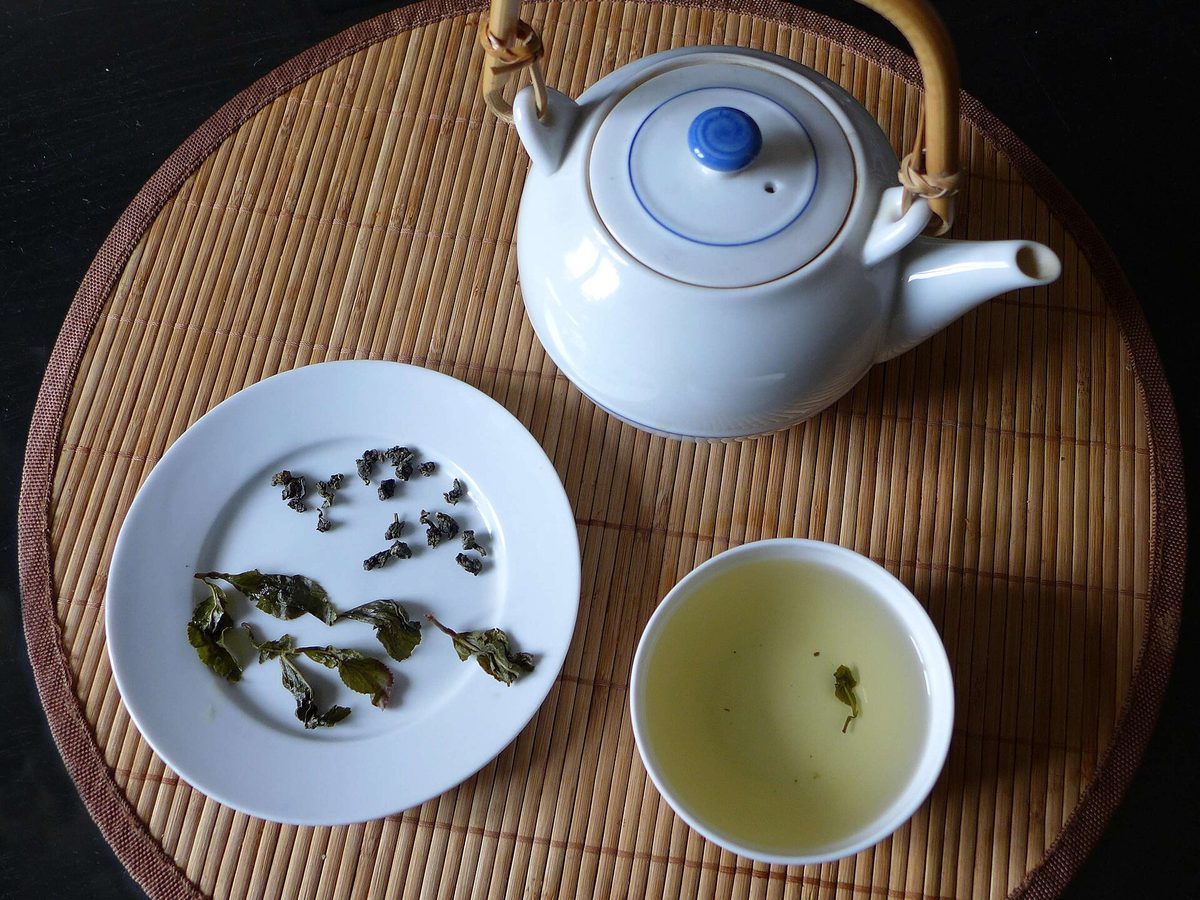
Hong Shui Oolong
Oolong Tea · Taiwan
Fruity · Honeyed · Smooth

Dong Pian
Oolong Tea · Taiwan
Floral · Sweet · Mineral
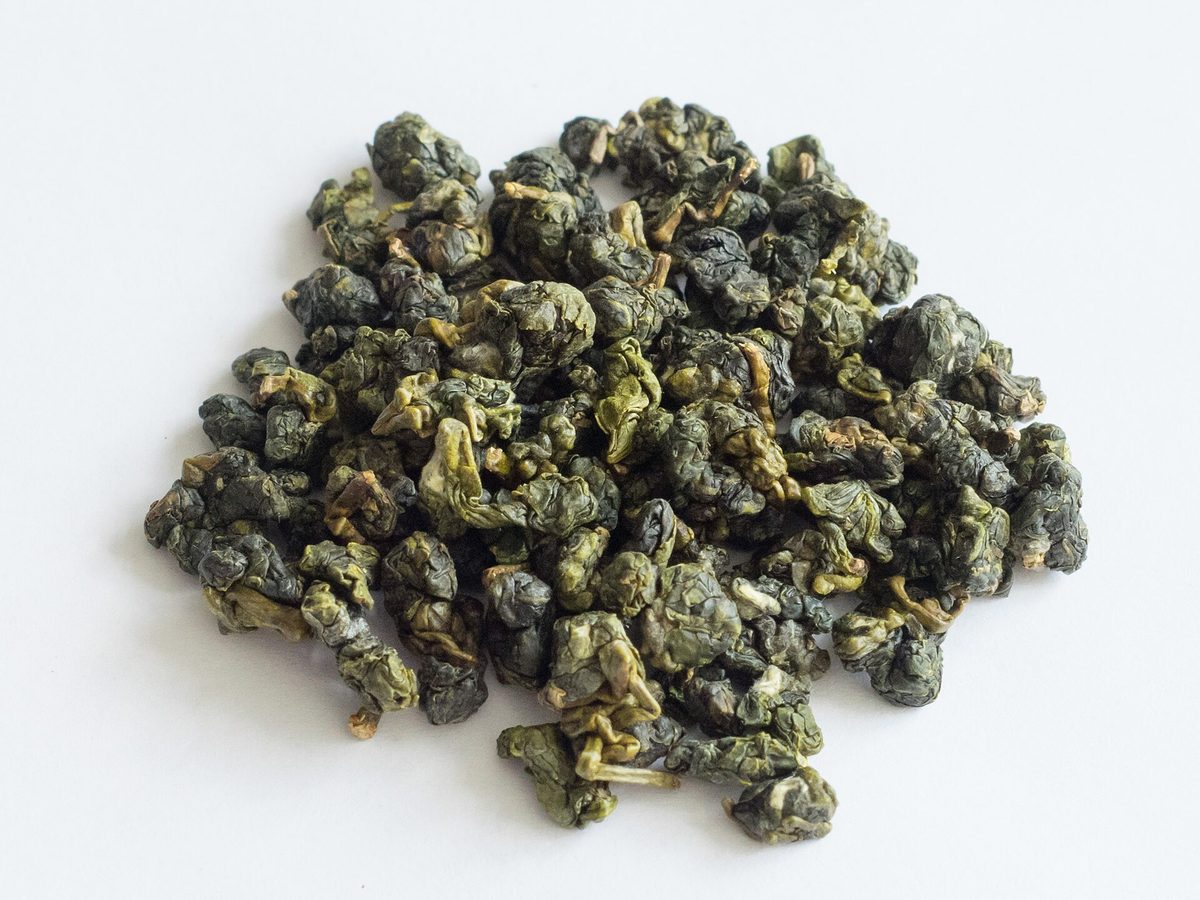
Gui Fei
Oolong Tea · Taiwan
Honeyed · Fruity · Floral
Organoleptic Architecture
Flavor Profile of Oolong Tea
Signature tasting notes that define this style across origins and producers.
- Floral
- Roasted
- Creamy
- Fruity
Craft & Methodology
How Oolong Tea Is Made
The production sequence, from fresh leaf to finished tea.
- Step 01
Harvest
Leaves are plucked later than green tea — more mature, often 3–4 leaves per shoot — because oxidation needs thicker leaf.
- Step 02
Withering
A short withering softens the leaves outdoors or indoors.
- Step 03
Shaking
Shaking or tumbling the leaves bruises the edges in a controlled way — the signature step that creates oolong's layered character.
- Step 04
Partial oxidation
Bruised edges oxidize while the leaf center stays greener, giving oolong its between-green-and-black profile.
- Step 05
Roasting
Repeated roasting or baking develops toasty notes, then drying finishes the tea.
Oolong Tea at a Glance
Derived from all 29 oolong tea teas in the dataset — not hand-written, so it always matches the individual tea pages.
floral, creamy, fresh — forgiving to brew, true to the style.
Oolong Tea FAQs
How much caffeine is in oolong tea?
Across the 29 oolong tea teas in our dataset, a typical cup ranges from about 10 to 50 mg of caffeine — most land in the "low to medium" band. Matcha and shade-grown teas sit at the top of the range because you consume the whole leaf. Estimates assume the standard serving (leaf grams and water volume listed on each tea page), not lab measurements.
What temperature should I brew oolong tea at?
Most oolong tea brews best between 85°C and 100°C (185–212°F) for 0.5–2 minutes. Delicate teas want the cooler end; broken-leaf or roasted styles tolerate hotter water. Each tea page lists its exact parameters.
Which oolong tea should a beginner start with?
Start with Tie Guan Yin. It is forgiving of timing mistakes and shows the style's signature character — floral, creamy, fresh — without demanding precision. Brewing notes and exact parameters are on its tea page.
How should I store oolong tea?
Airtight, cool, dark, and away from strong odors. Delicate, lightly oxidized teas fade fastest — buy amounts you will finish within about a year. Pressed or heavily roasted oolong tea keeps longer and some styles even improve with age stored in a breathable paper wrapper.
Can I re-steep oolong tea?
Most oolong tea in this guide is listed for 4–6 times infusions. High-quality whole leaves evolve across steeps rather than just fading — add 15–30 seconds per infusion and taste the difference.
29
teas in the database
10–50 mg
caffeine per cup
85–100 °C
brewing temperature
0.5–2 min steep
western-style steep
FAQ
Oolong Tea: common questions
How much caffeine does Oolong Tea have?
Across the 29 Oolong Tea teas in our database, caffeine ranges from about 10 to 50 mg per typical cup. Shading, roasting and leaf grade move any single tea within that band.
What temperature should I brew Oolong Tea at?
Our Oolong Tea teas span 85–100 °C. Delicate shade-grown teas sit at the bottom of the range; roasted or aged styles tolerate the hottest water.
How long should I steep Oolong Tea?
Western-style steeping runs 0.5–2 minutes across our Oolong Tea teas (longer for broken leaf, shorter for whole leaf).
What does Oolong Tea taste like?
Oolong Tea is typically described as floral · roasted · creamy · fruity. Individual teas vary — check the flavor bars on each page.
Methodology: sources & caveats
Continue Exploring the Botanical Spectrum
Browse every tea in the atlas — filter by type, flavor, origin, and more.