Oriental Beauty Tea
Dong Fang Mei Ren · Bai Hao Oolong
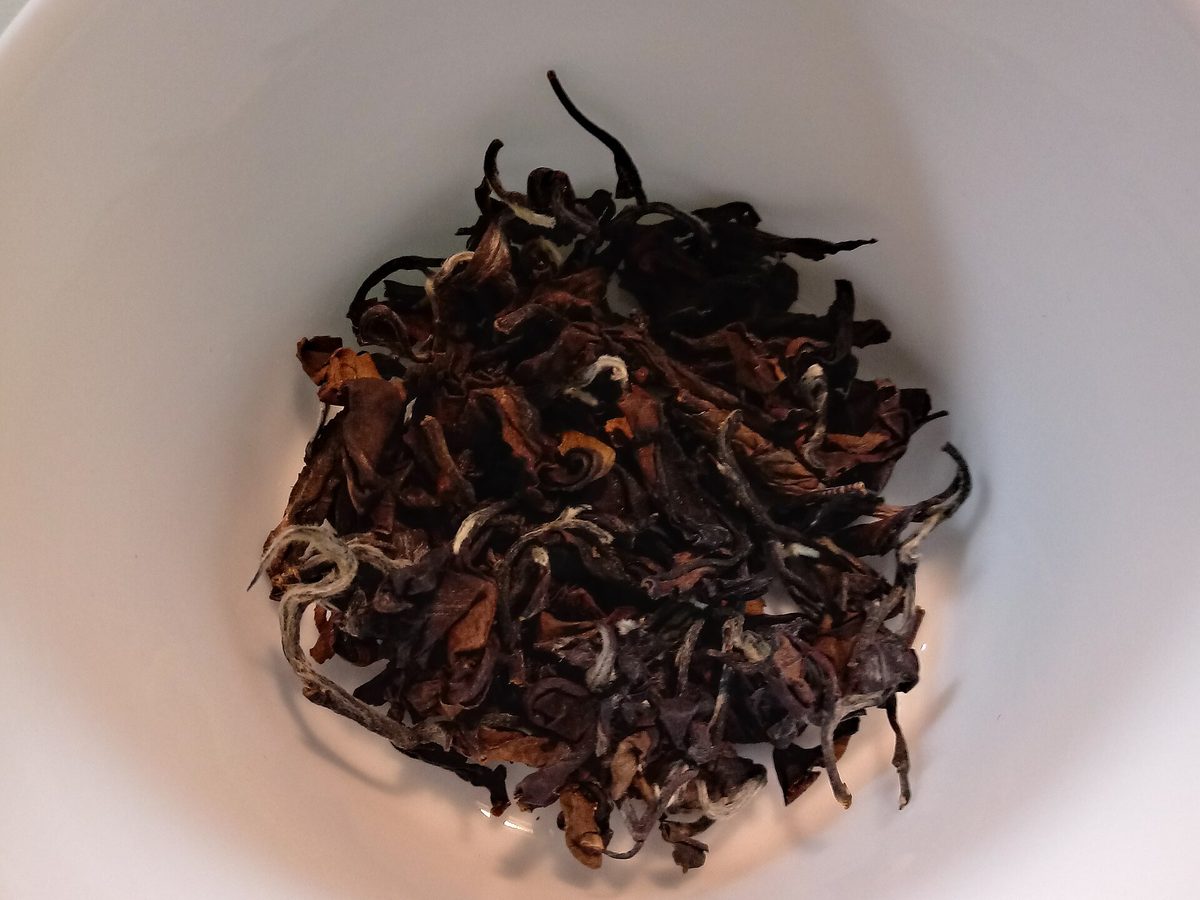
Oriental Beauty is a heavily oxidized Taiwanese oolong whose honeyed sweetness comes from leafhoppers nibbling the leaves before harvest.
Flavor Profile
What does Oriental Beauty taste like?
Expect Honeyed · Fruity · Floral — the bars rank each note's relative intensity, strongest first.
Bar length reflects the relative prominence of each flavor note (dominant first), not a laboratory measurement.
Origin
Hsinchu, Taiwan
The leafhopper element is strongest in the Hsinchu area of northwestern Taiwan.
Island origin celebrated for high-mountain and roasted oolongs.
Brewing Guide
How to Brew Oriental Beauty
Brewing parameters are a starting point and can be adjusted to taste.
Caffeine
Caffeine in Oriental Beauty
Typical brewed serving
Oriental Beauty is a medium-caffeine oolong tea. A typical brewed serving contains about 30–50 mg of caffeine.
Values can vary depending on quantity, brewing time, serving size, and preparation method. Range assumes this tea's standard parameters: 3 g leaf to 250 ml water, steeped 1–2 min. Estimates, not lab measurements — see our sources & method.
Fit
Who is Oriental Beauty for?
New to tea?
A friendly starting point — forgiving to brew and easy to enjoy on the first cup.
When to drink it
Comfortable at any time of day.
Flavor direction
Medium-bodied, leads with honeyed notes — a oolong tea with honeyed, fruity, floral character.
Keep Exploring
If you like Oriental Beauty
Side by Side
Want to see how Oriental Beauty compares?
Choose any tea and compare flavor, origin, caffeine, and brewing side by side.
The story of Oriental Beauty
Oriental Beauty is one of tea's stranger origin stories: its signature honeyed sweetness comes from leafhoppers nibbling the leaves before harvest. The plant responds with defensive compounds that, after processing, translate into ripe honey, muscat grape, and warm spice. Growers in the Hsinchu area of northwestern Taiwan have long understood that a little insect pressure, at the right time, is exactly what this tea needs.
Because it is heavily oxidized for an oolong, the cup looks closer to amber than green, and the flavor surprises drinkers expecting something floral. Brew about 3 grams per 250 ml at 90 to 95°C with short one-to-two-minute steeps; it resteeps three to five times, often gaining a smoother, sweeter tail. Lower, leafhopper-bitten grades are noticeably less honeyed, which is one reason genuine Oriental Beauty commands premium prices.
Look for intact, colorful leaves — green, copper, and white tips mixed together — as a sign of careful sorting. Store it airtight and cool; its aromatic honey notes fade faster than roasted teas'. It pairs beautifully with food, standing up to richer dishes where greener oolongs would disappear.
FAQ
Oriental Beauty Tea FAQ
Quick answers about Oriental Beauty tea, drawn from its flavor, origin, caffeine, and brewing profile.
What is Oriental Beauty tea?
Oriental Beauty is a Oolong Tea from Hsinchu. It is also known as Dong Fang Mei Ren and Bai Hao Oolong.
Does Oriental Beauty tea have caffeine?
Yes. Oriental Beauty is a medium-caffeine tea, typically 30–50 mg per brewed serving.
What does Oriental Beauty tea taste like?
Oriental Beauty is known for a profile led by Honeyed, Fruity, and Floral, with a medium body.
How do you brew Oriental Beauty tea?
Use about 3 g of tea per 250 ml of water at 90–95°C, steeping for 1–2 minutes. It can be re-steeped 3–5 times.
Is Oriental Beauty tea bitter?
Bitterness is not a defining note of Oriental Beauty; its profile centers on Honeyed, Fruity, and Floral.