Tie Guan Yin Tea
Iron Goddess · Ti Kwan Yin
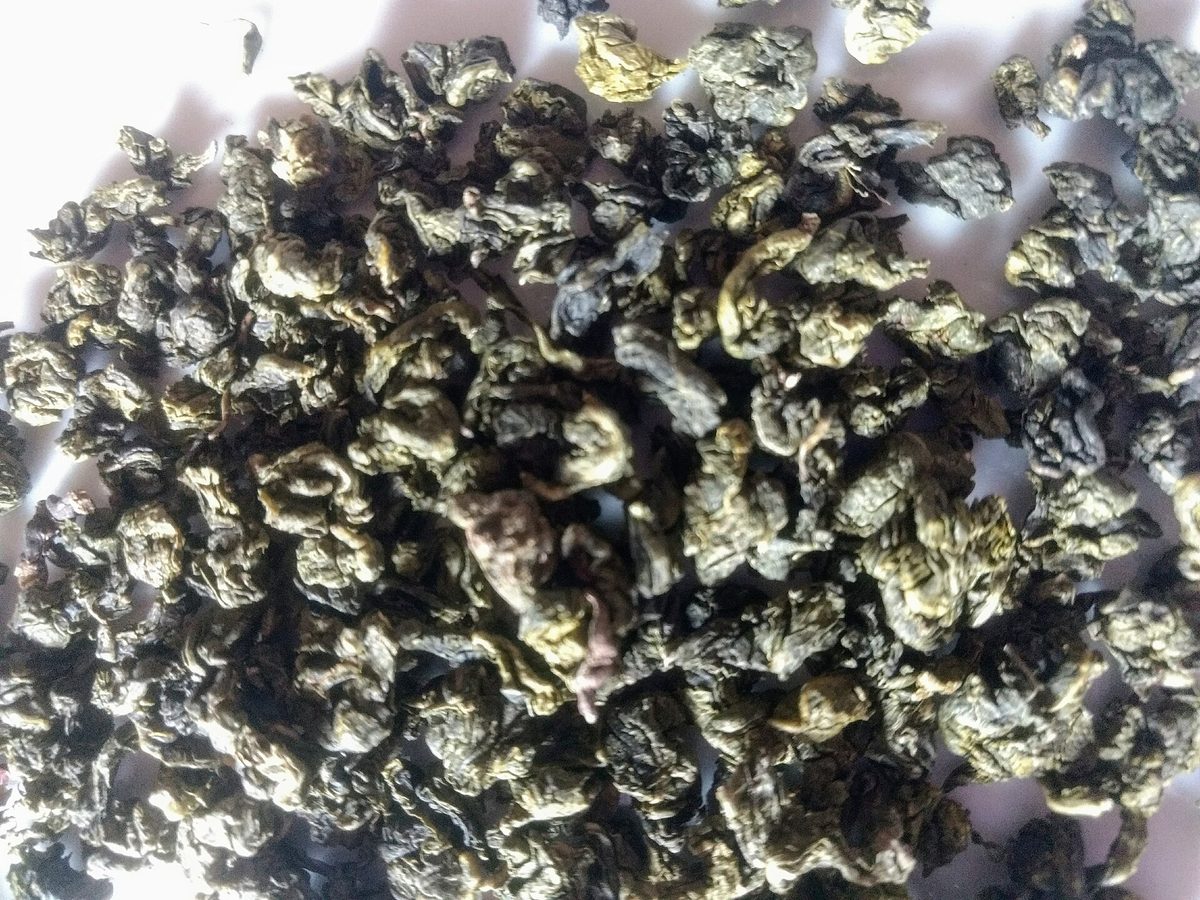
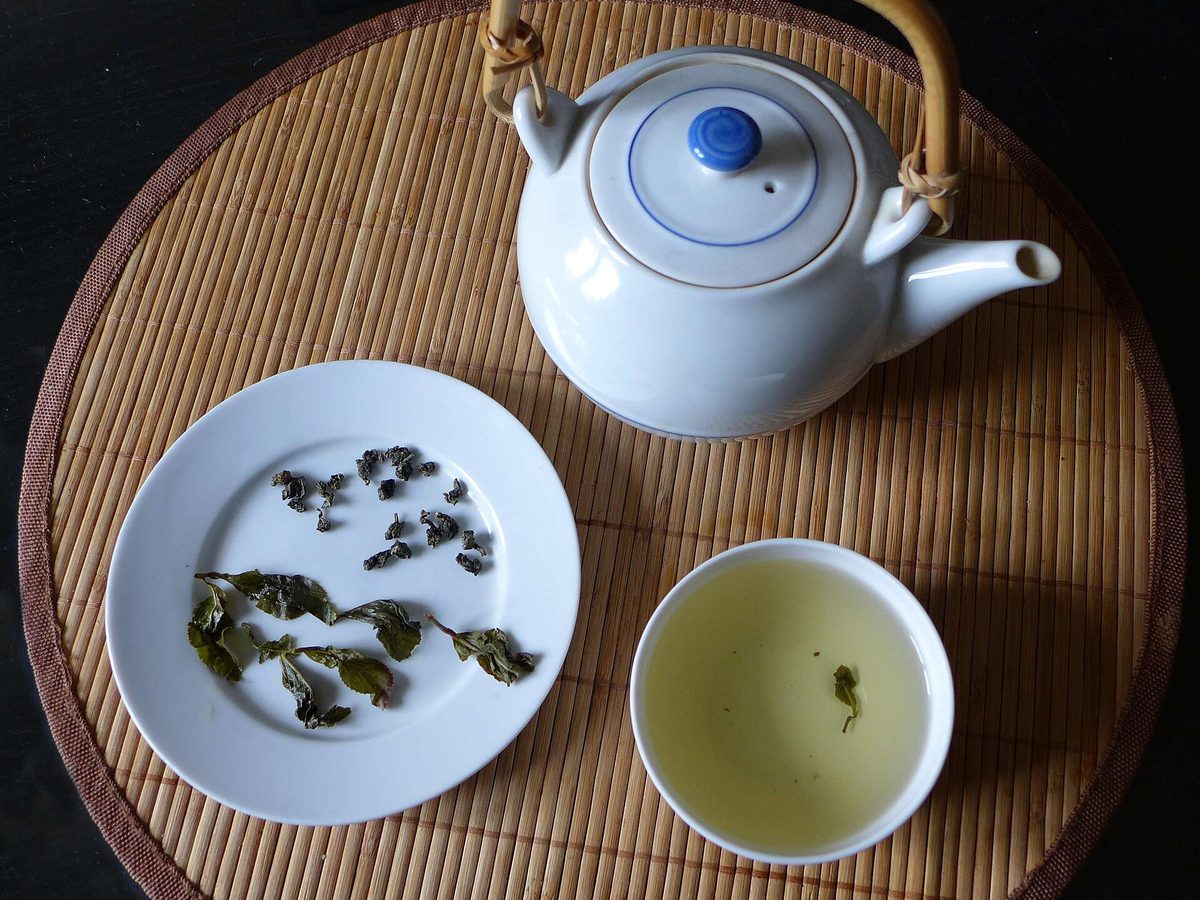
Tie Guan Yin is China's most popular oolong, rolled into tight jade-green balls that unfurl over many infusions.
Flavor Profile
What does Tie Guan Yin taste like?
Expect Floral · Creamy · Fresh — the bars rank each note's relative intensity, strongest first.
Bar length reflects the relative prominence of each flavor note (dominant first), not a laboratory measurement.
Origin
Fujian (Anxi), China
Anxi county in Fujian is the original home of Tie Guan Yin.
Where tea cultivation began; home to green, yellow, white, oolong, black, and dark styles across many provinces.
Brewing Guide
How to Brew Tie Guan Yin
Brewing parameters are a starting point and can be adjusted to taste.
Caffeine
Caffeine in Tie Guan Yin
Typical brewed serving
Tie Guan Yin is a medium-caffeine oolong tea. A typical brewed serving contains about 30–50 mg of caffeine.
Values can vary depending on quantity, brewing time, serving size, and preparation method. Range assumes this tea's standard parameters: 3 g leaf to 250 ml water, steeped 1–2 min. Estimates, not lab measurements — see our sources & method.
Fit
Who is Tie Guan Yin for?
New to tea?
A friendly starting point — forgiving to brew and easy to enjoy on the first cup.
When to drink it
Comfortable at any time of day.
Flavor direction
Medium-bodied, leads with floral notes — a oolong tea with floral, creamy, fresh character.
Styles & Harvests
Styles of Tie Guan Yin
Light & Floral
Modern qingxiang style: green, intensely floral, creamy.
Floral · Creamy · Fresh
Traditional Roast
Nongxiang style: warmer, toasty, with caramelized depth.
Roasted · Sweet · Nutty
Charcoal Roast
Slow charcoal-fired style with dark, mineral warmth.
Roasted · Smoky · Earthy
Keep Exploring
If you like Tie Guan Yin
Side by Side
Want to see how Tie Guan Yin compares?
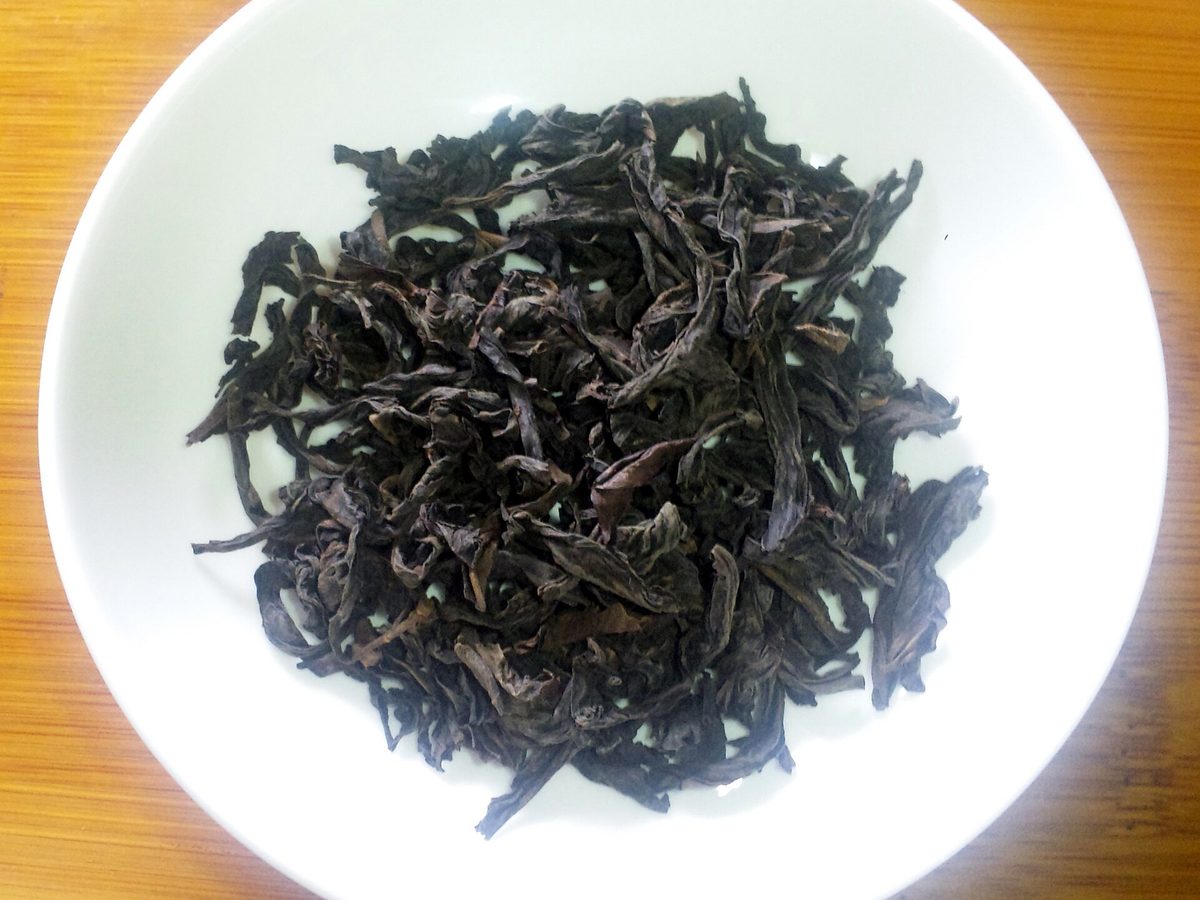
Put Tie Guan Yin next to Da Hong Pao and compare flavor, origin, caffeine, and brewing side by side.
The story of Tie Guan Yin
Tie Guan Yin sits at the intersection of old and new Chinese tea craft. The name is tied to a folk legend about an iron statue of Guanyin, the bodhisattva of mercy, but the tea's modern identity was shaped in Anxi county, Fujian, where the qingxiang (green-style) process was refined in the late 20th century. That modern style — light oxidation, minimal roast — delivers the explosive orchid florals and buttery creaminess that made the tea a domestic bestseller.
Traditional nongxiang (roasted-style) Tie Guan Yin follows an older path: heavier oxidation and repeated charcoal roasting over months, producing dark, amber cups with warm fruit and honey notes. Both styles use the same cultivar and the same tight ball-rolling technique, where cloth-wrapped leaf bundles are rolled and compressed into the dense pellets that unfurl dramatically over repeated infusions. Which style you get matters more than the name on the label, so it is worth asking before buying.
The rolled format rewards gongfu-style brewing: near-boiling water around 90–95°C, short steeps of one to two minutes in a small pot or gaiwan, and many infusions — four to six is normal. The first steep awakens the balls; by the third or fourth the leaves have fully opened and the floral character peaks. Store away from strong odors, because tightly rolled oolongs hold fragrance for a long time but also absorb kitchen smells easily.
FAQ
Tie Guan Yin Tea FAQ
Quick answers about Tie Guan Yin tea, drawn from its flavor, origin, caffeine, and brewing profile.
What is Tie Guan Yin tea?
Tie Guan Yin is a Oolong Tea from Fujian (Anxi). It is also known as Iron Goddess and Ti Kwan Yin.
Does Tie Guan Yin tea have caffeine?
Yes. Tie Guan Yin is a medium-caffeine tea, typically 30–50 mg per brewed serving.
What does Tie Guan Yin tea taste like?
Tie Guan Yin is known for a profile led by Floral, Creamy, and Fresh, with a medium body.
How do you brew Tie Guan Yin tea?
Use about 3 g of tea per 250 ml of water at 90–95°C, steeping for 1–2 minutes. It can be re-steeped 4–6 times.
Is Tie Guan Yin tea bitter?
Bitterness is not a defining note of Tie Guan Yin; its profile centers on Floral, Creamy, and Fresh.