Da Hong Pao Tea
Big Red Robe
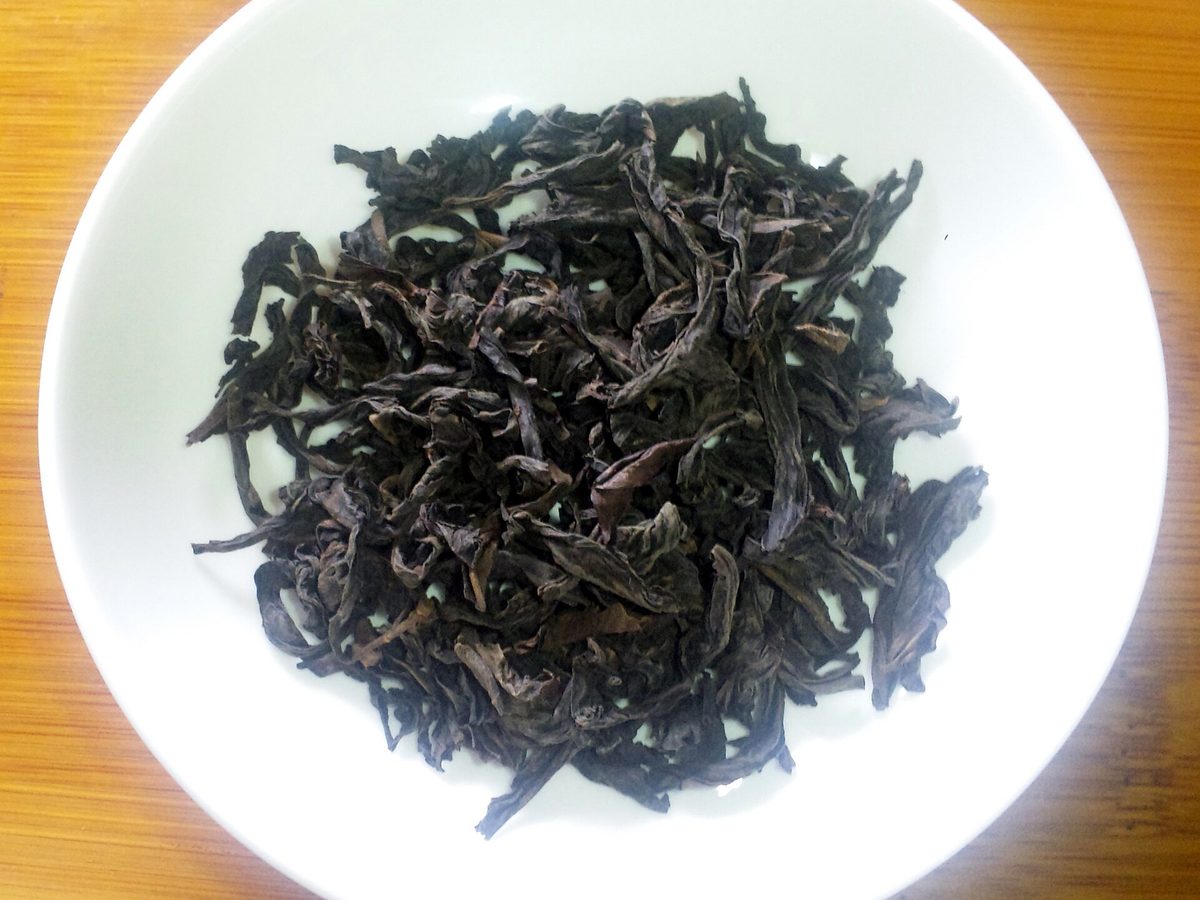
Da Hong Pao is the most famous of the Wuyi 'rock teas' (yancha), grown on mineral-rich cliffs and traditionally charcoal-roasted.
Flavor Profile
What does Da Hong Pao taste like?
Expect Roasted · Mineral · Fruity — the bars rank each note's relative intensity, strongest first.
Bar length reflects the relative prominence of each flavor note (dominant first), not a laboratory measurement.
Origin
Fujian (Wuyi), China
The original Da Hong Pao bushes grow in the Wuyi mountains of northern Fujian.
Where tea cultivation began; home to green, yellow, white, oolong, black, and dark styles across many provinces.
Brewing Guide
How to Brew Da Hong Pao
Brewing parameters are a starting point and can be adjusted to taste.
Caffeine
Caffeine in Da Hong Pao
Typical brewed serving
Da Hong Pao is a medium-caffeine oolong tea. A typical brewed serving contains about 30–50 mg of caffeine.
Values can vary depending on quantity, brewing time, serving size, and preparation method. Range assumes this tea's standard parameters: 3 g leaf to 250 ml water, steeped 1–2 min. Estimates, not lab measurements — see our sources & method.
Fit
Who is Da Hong Pao for?
Experienced drinkers
Better once you've explored a few teas — it rewards a little brewing attention.
When to drink it
Comfortable at any time of day.
Flavor direction
Full-bodied, leads with roasted notes — a oolong tea with roasted, mineral, fruity character.
Keep Exploring
If you like Da Hong Pao
Side by Side
Want to see how Da Hong Pao compares?
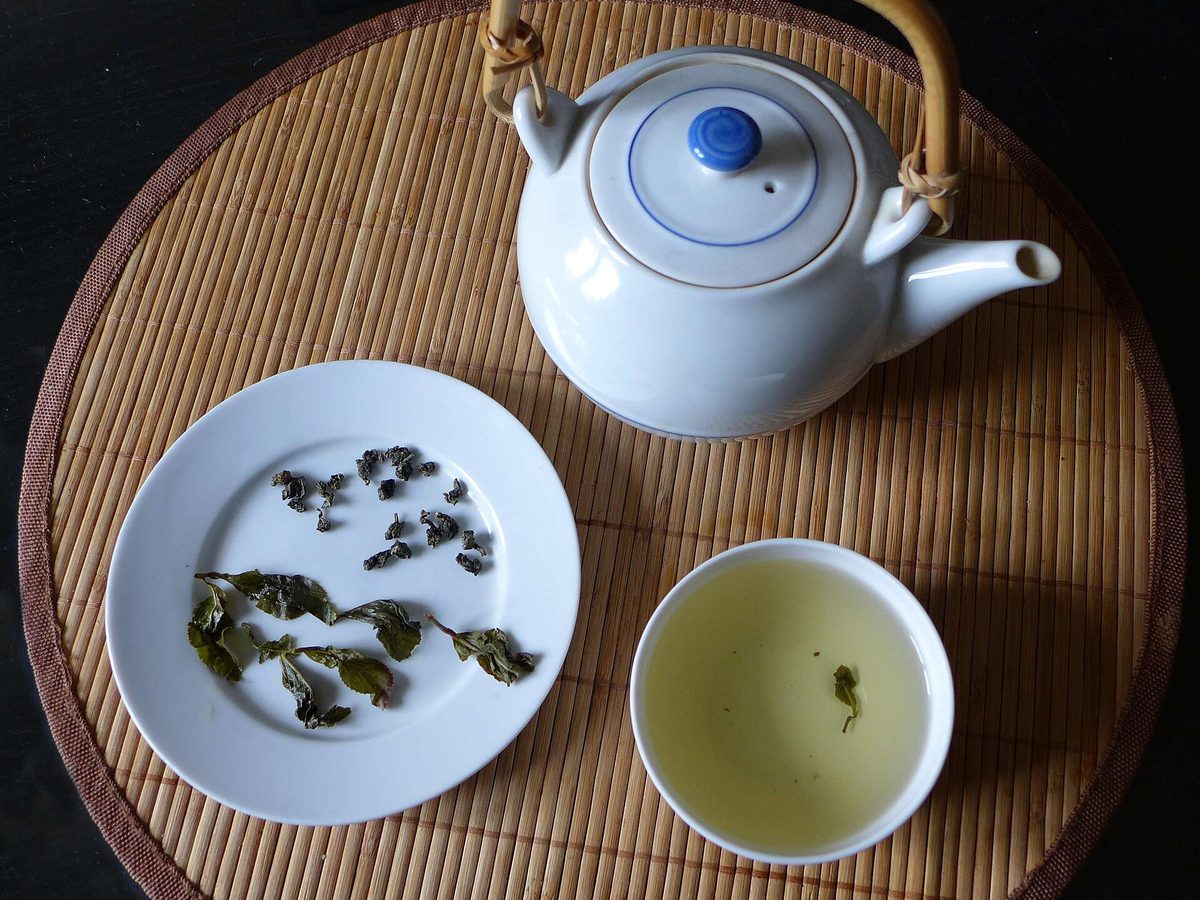
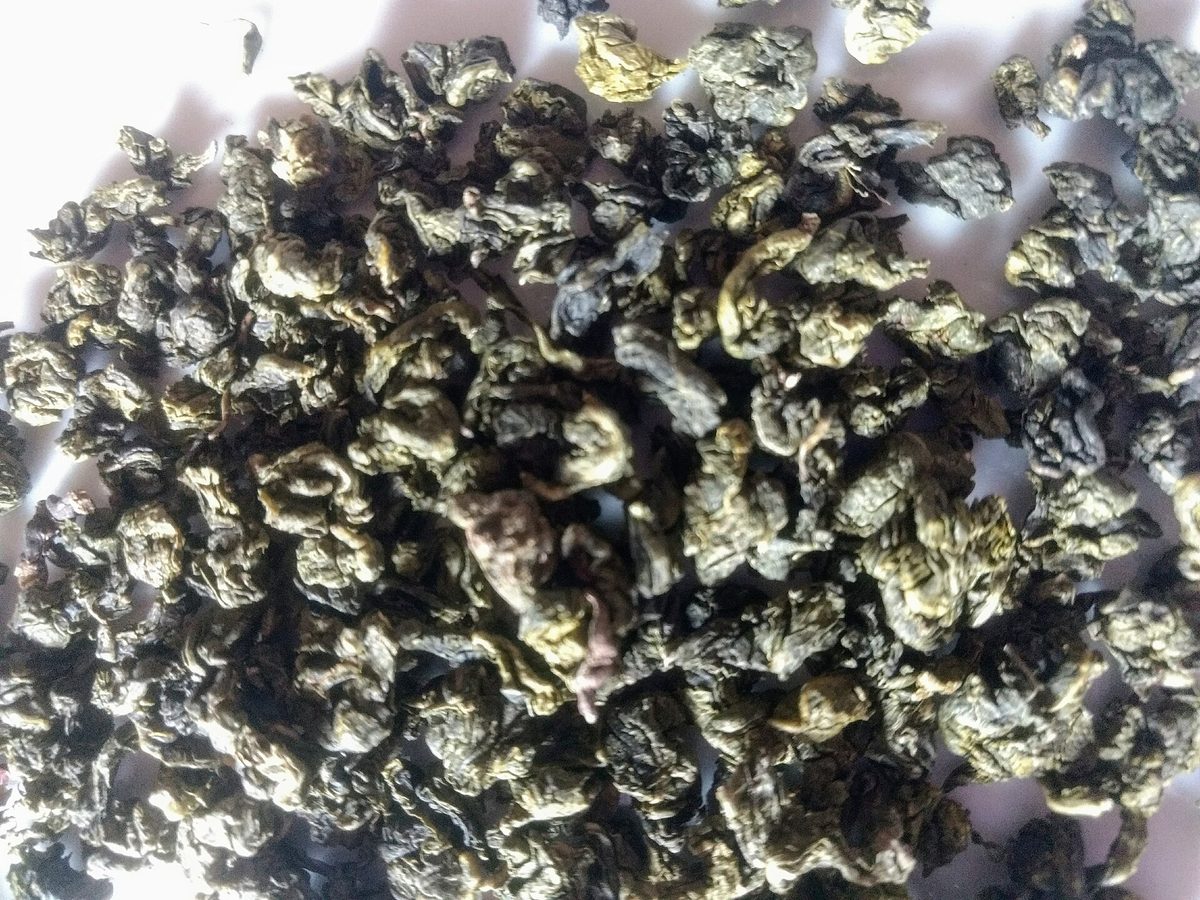
Put Da Hong Pao next to Tie Guan Yin and compare flavor, origin, caffeine, and brewing side by side.
The story of Da Hong Pao
Da Hong Pao belongs to the yancha, or rock tea, family grown in the Wuyi mountains of northern Fujian, a UNESCO-listed landscape of sheer cliffs and mineral soils. The terroir argument is literal here: tea bushes root in weathered rock crevices, and local drinkers credit the distinctive mineral finish — called yanyun, 'rock rhyme' — to that stonework terroir. True original-bush Da Hong Pao is essentially unobtainable, so everything on the market is either tea from the historic mother trees' cuttings or blended yancha sold under the famous name.
The craft is heavy and deliberate. Leaves are given a high oxidation for an oolong, then roasted over charcoal in multiple passes, with rest periods in between so the roast settles into the leaf rather than sitting on the surface. Cheap versions taste of roast alone; well-made ones balance the fire with dark stone fruit, minerality, and a cocoa edge, and the cup evolves noticeably across four to six short infusions. A hallmark of quality is a returning sweetness in the throat after swallowing, called huigan in Chinese tasting language.
Brew it assertively: water at a full 95–100°C, one to two minute steeps, and a generous leaf-to-water ratio. Yancha tolerates — and needs — heat to open up. Roasted oolongs also keep well; many drinkers prefer Da Hong Pao after it has rested a few months post-roast, when the charcoal character integrates.
FAQ
Da Hong Pao Tea FAQ
Quick answers about Da Hong Pao tea, drawn from its flavor, origin, caffeine, and brewing profile.
What is Da Hong Pao tea?
Da Hong Pao is a Oolong Tea from Fujian (Wuyi). It is also known as Big Red Robe.
Does Da Hong Pao tea have caffeine?
Yes. Da Hong Pao is a medium-caffeine tea, typically 30–50 mg per brewed serving.
What does Da Hong Pao tea taste like?
Da Hong Pao is known for a profile led by Roasted, Mineral, and Fruity, with a strong body.
How do you brew Da Hong Pao tea?
Use about 3 g of tea per 250 ml of water at 95–100°C, steeping for 1–2 minutes. It can be re-steeped 4–6 times.
Is Da Hong Pao tea bitter?
Bitterness is not a defining note of Da Hong Pao; its profile centers on Roasted, Mineral, and Fruity.