Black Tea
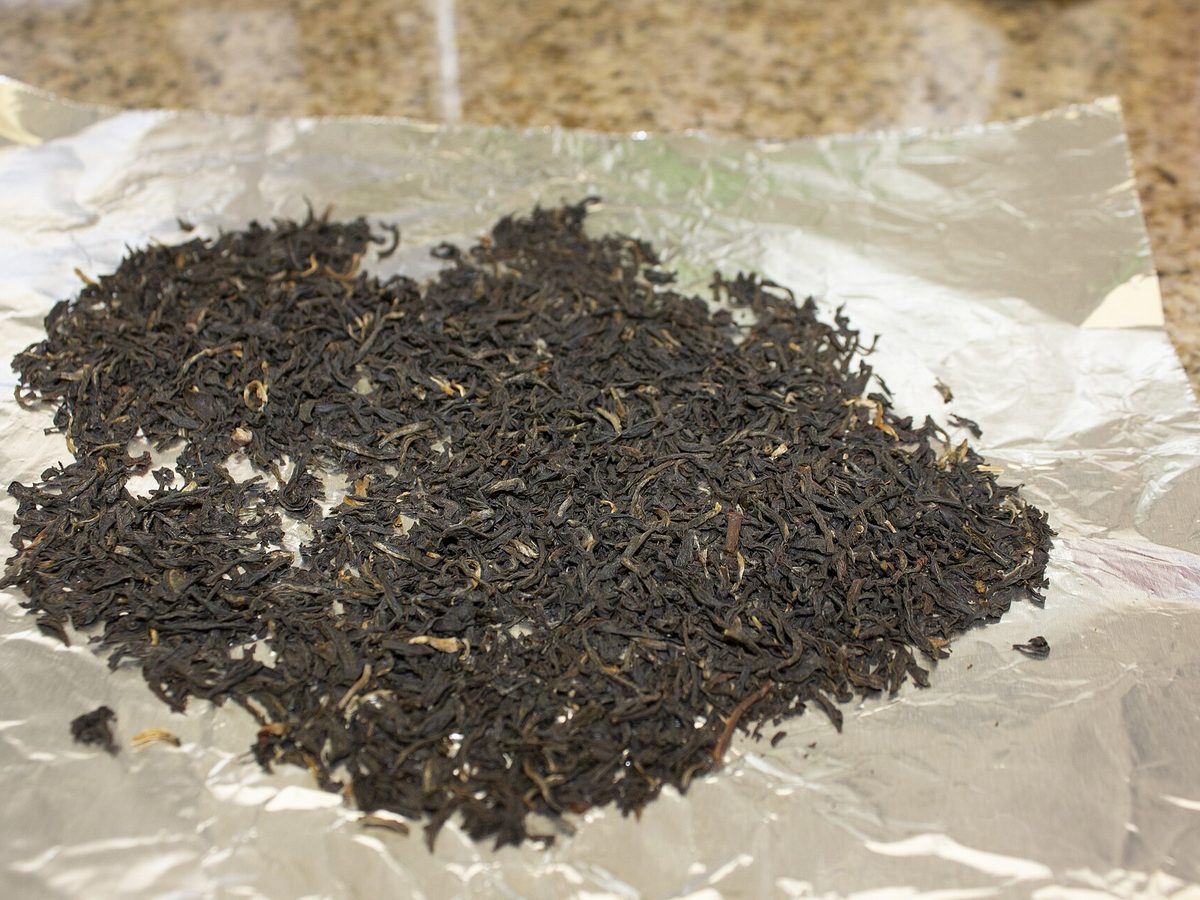
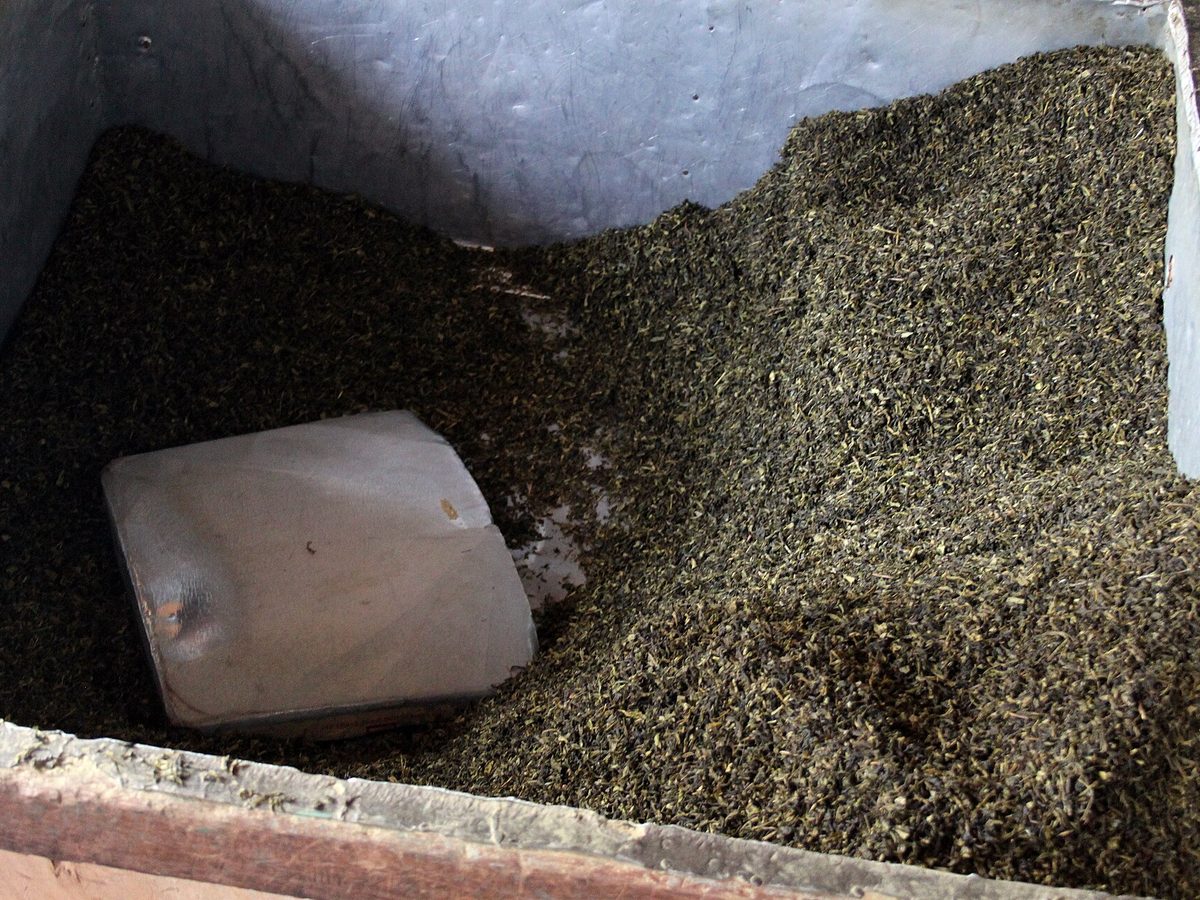
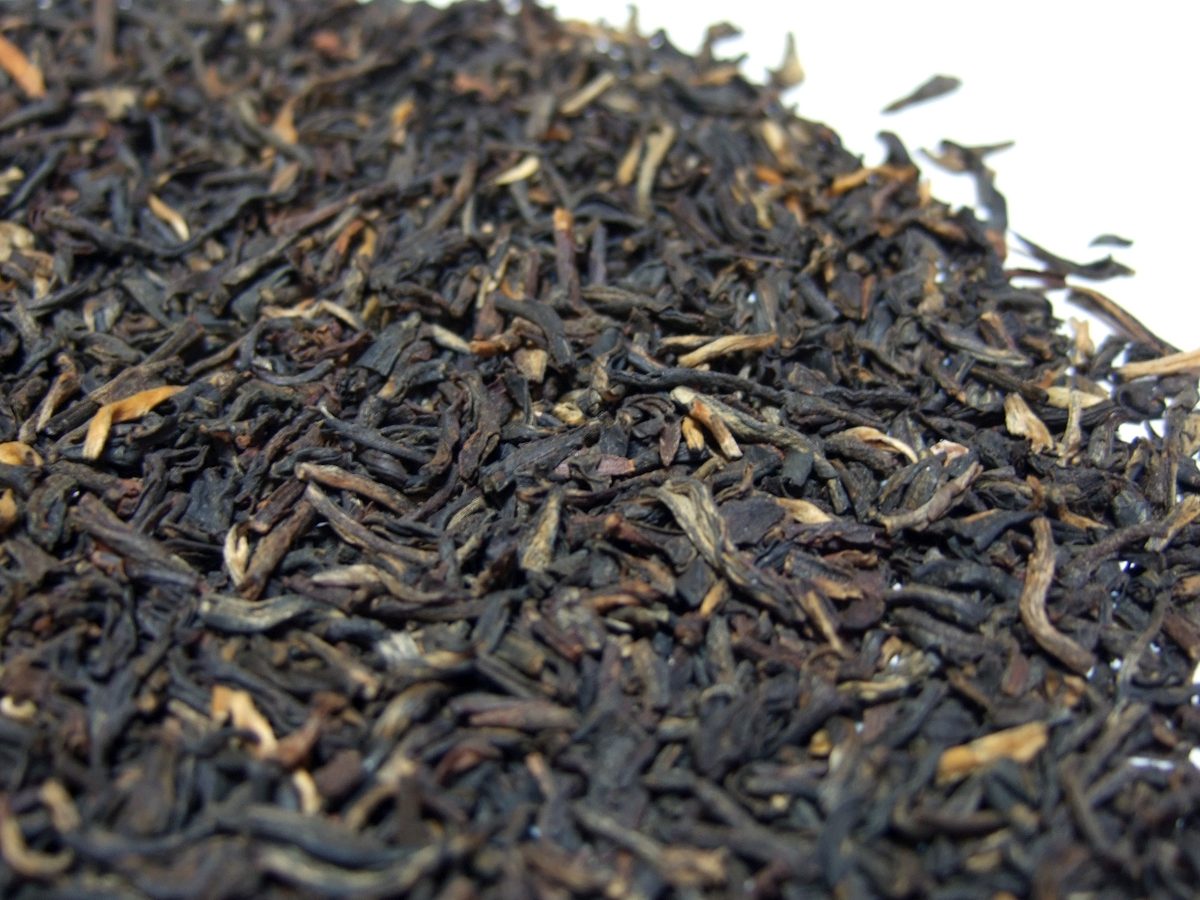
Black tea is fully oxidized, giving it a deep color and bold flavor. It ranges from malty Assam and muscatel Darjeeling to smoky Chinese keemun. Black tea is the most common tea in the West and often enjoyed with milk and sugar.
Iconic Expressions
Popular Black Teas
Canonical examples of black tea from core producing regions, each profiled with flavor, origin, and brewing guidance.
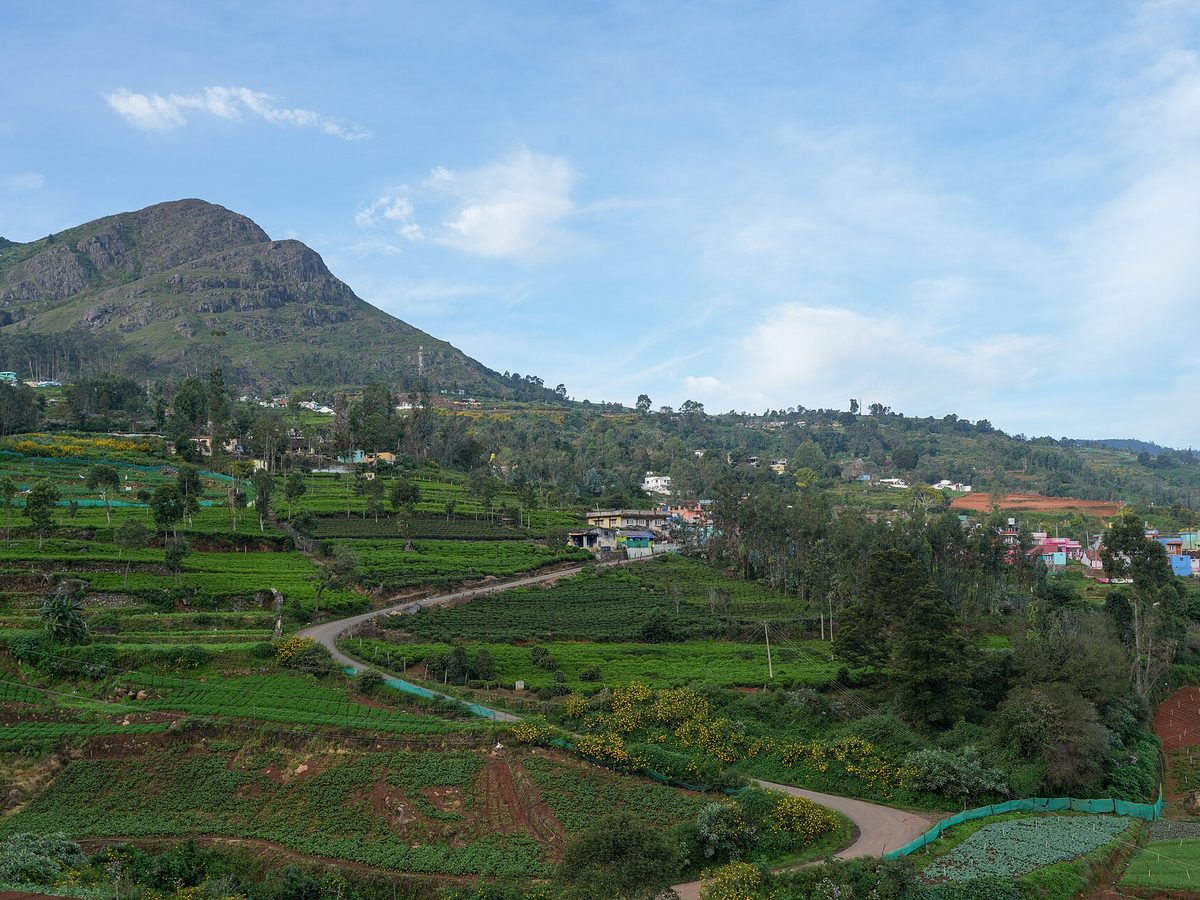
India
China
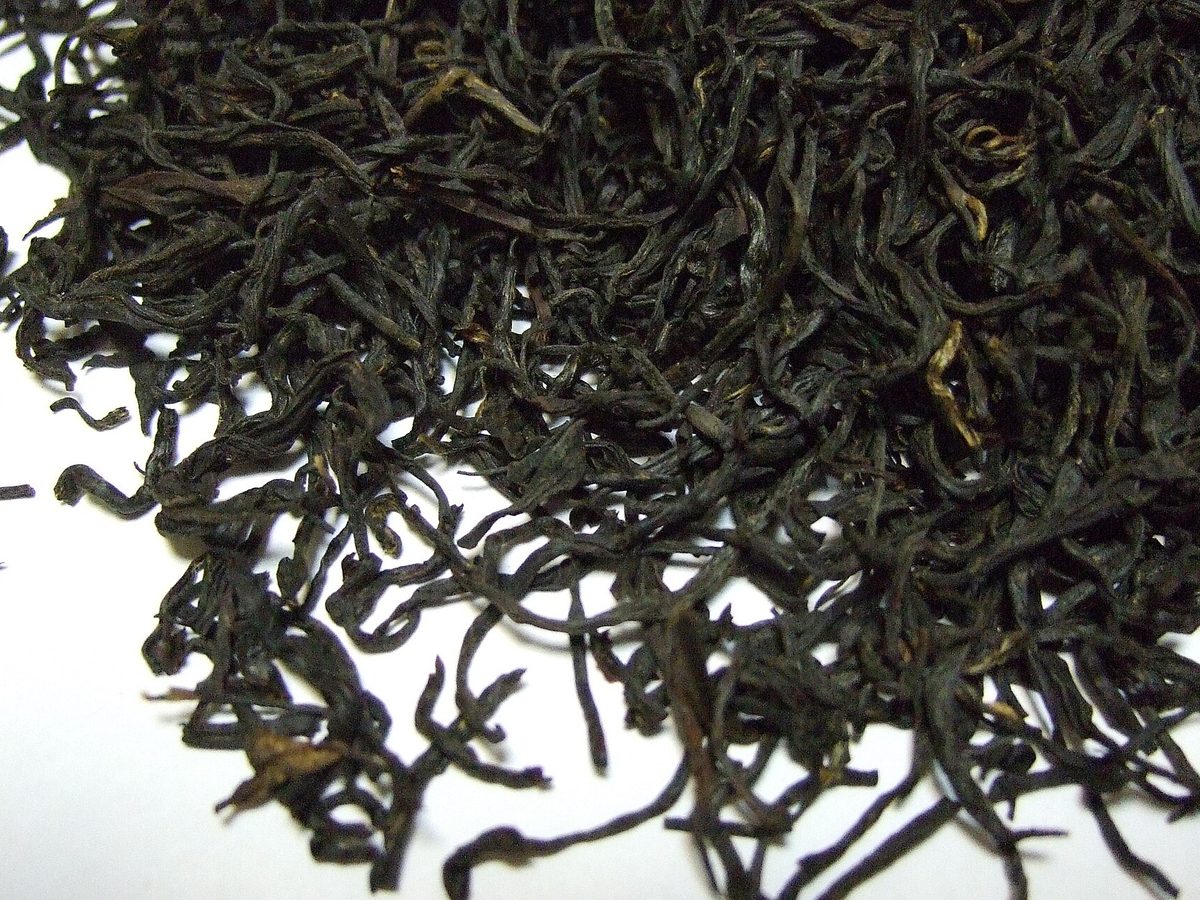
Keemun
Black Tea · China
Cocoa · Fruity · Floral
Dian Hong
Black Tea · China
Malty · Honeyed · Sweet
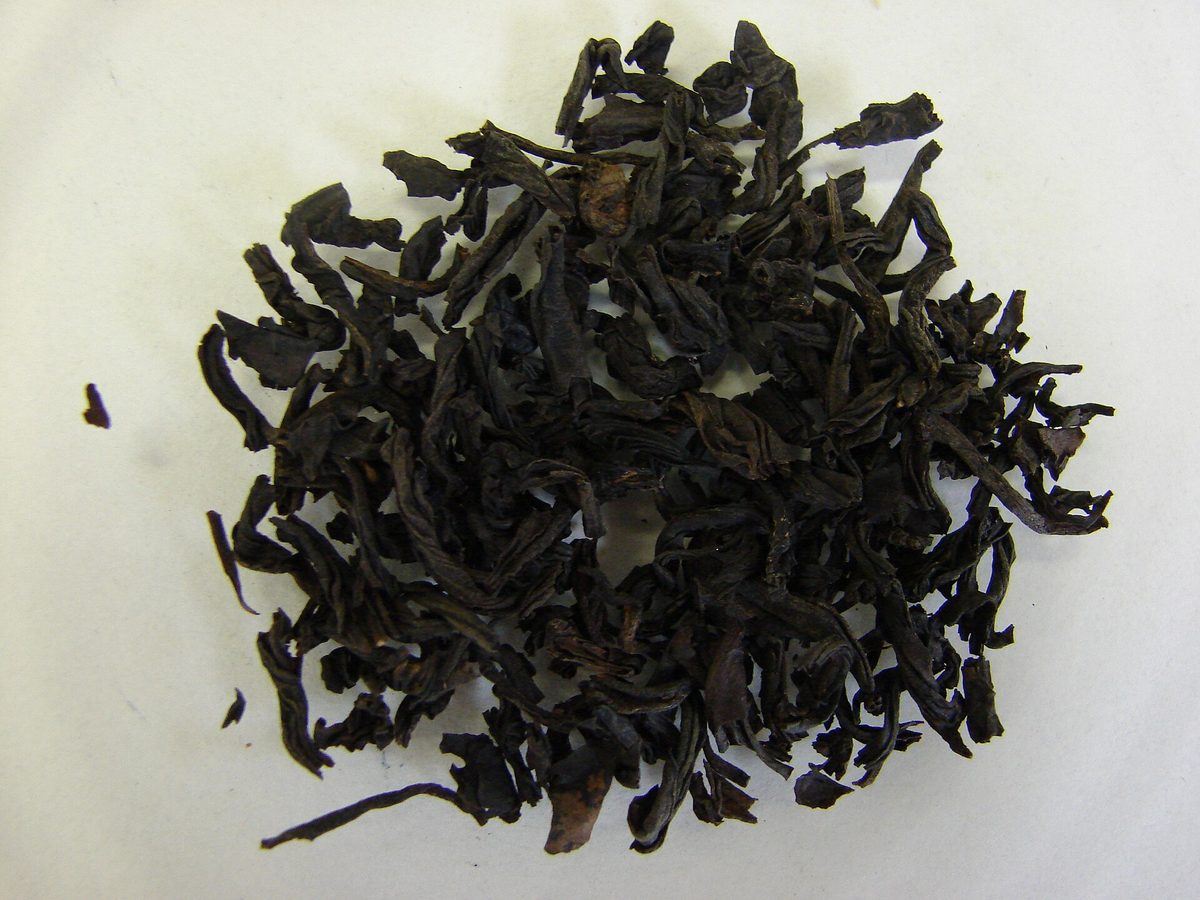
Lapsang Souchong
Black Tea · China
Smoky · Fruity · Sweet
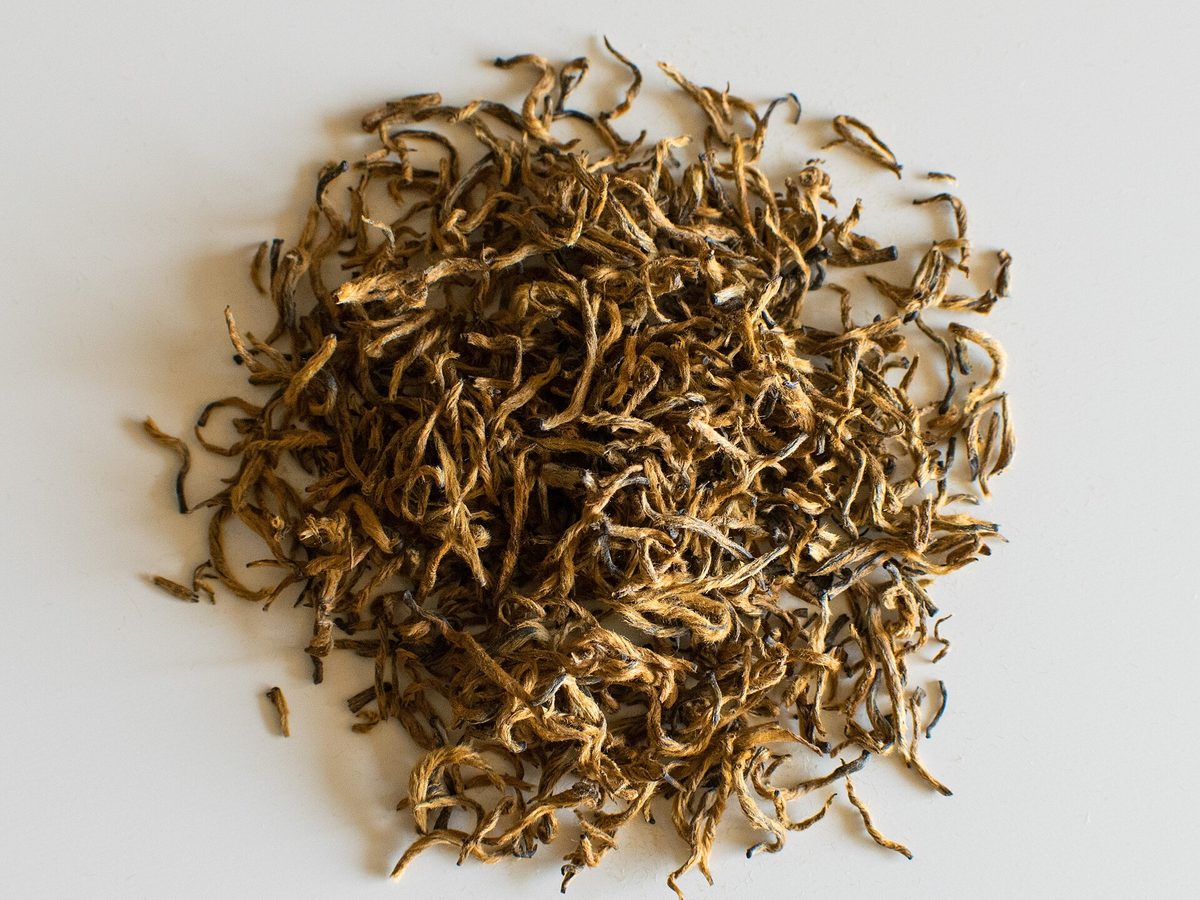
Jin Jun Mei
Black Tea · China
Honeyed · Floral · Sweet
Golden Monkey
Black Tea · China
Cocoa · Honeyed · Nutty

Ying De Hong
Black Tea · China
Malty · Cocoa · Sweet
Hunan Black
Black Tea · China
Sweet · Honeyed · Fruity
Guangxi Black
Black Tea · China
Honeyed · Sweet · Smooth
Tan Yang Gong Fu
Black Tea · China
Honeyed · Fruity · Floral
Bai Lin Gong Fu
Black Tea · China
Honeyed · Sweet · Fruity

Zheng He Gong Fu
Black Tea · China
Fruity · Honeyed · Earthy
Keemun Mao Feng
Black Tea · China
Cocoa · Fruity · Floral
Dian Hong Gold
Black Tea · China
Honeyed · Sweet · Malty
Chuan Hong
Black Tea · China
Malty · Fruity · Smooth
Ning Hong
Black Tea · China
Malty · Smooth · Fruity
Blended
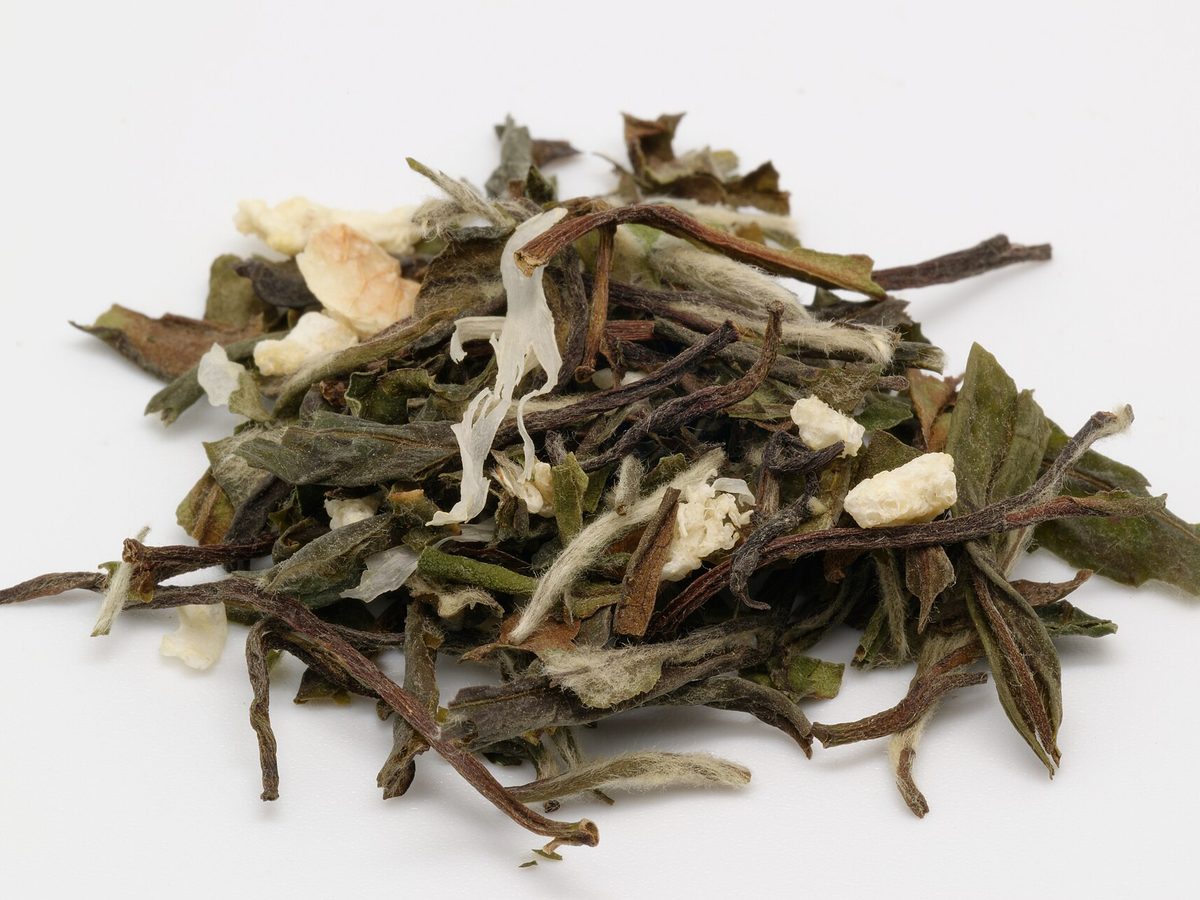
Earl Grey
Black Tea · Blended
Citrus · Floral · Malty
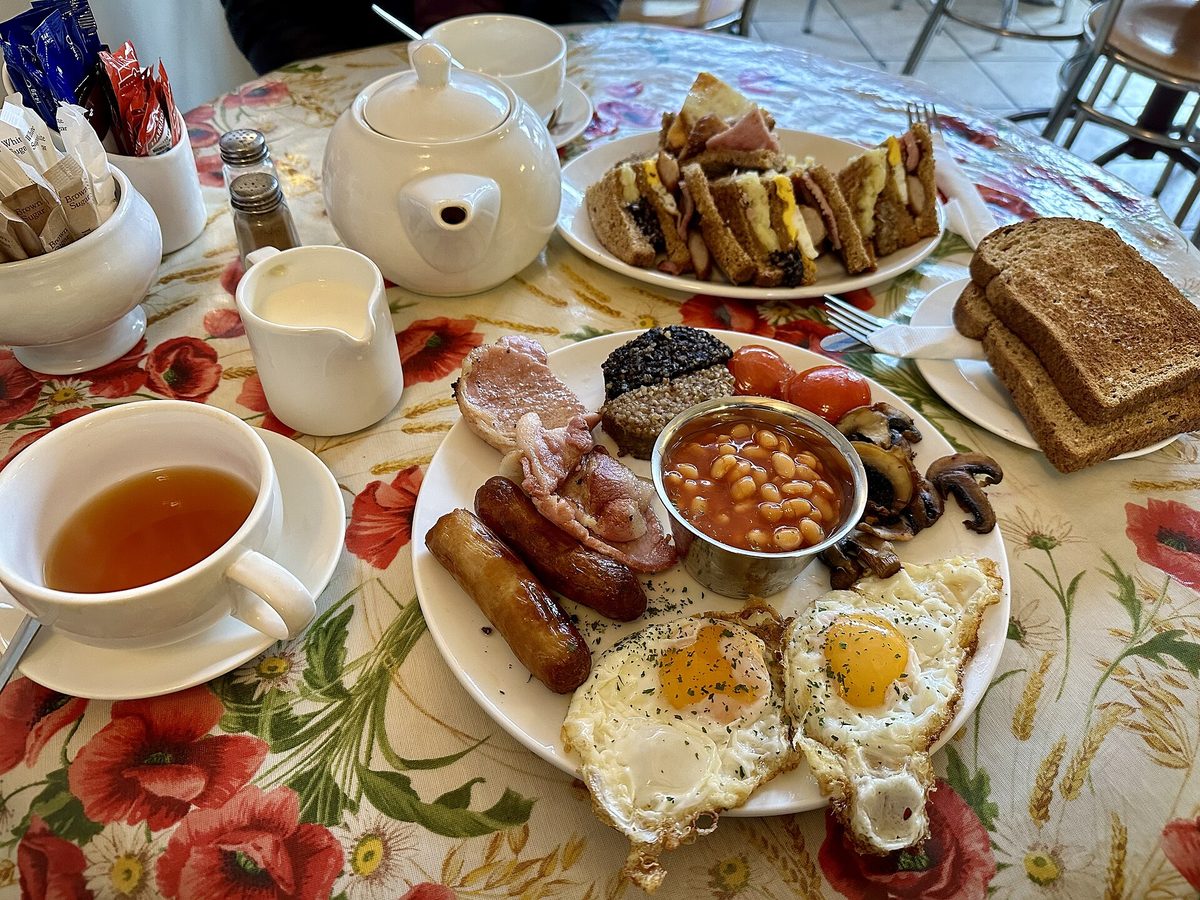
Irish Breakfast
Black Tea · Blended
Malty · Bold · Roasted
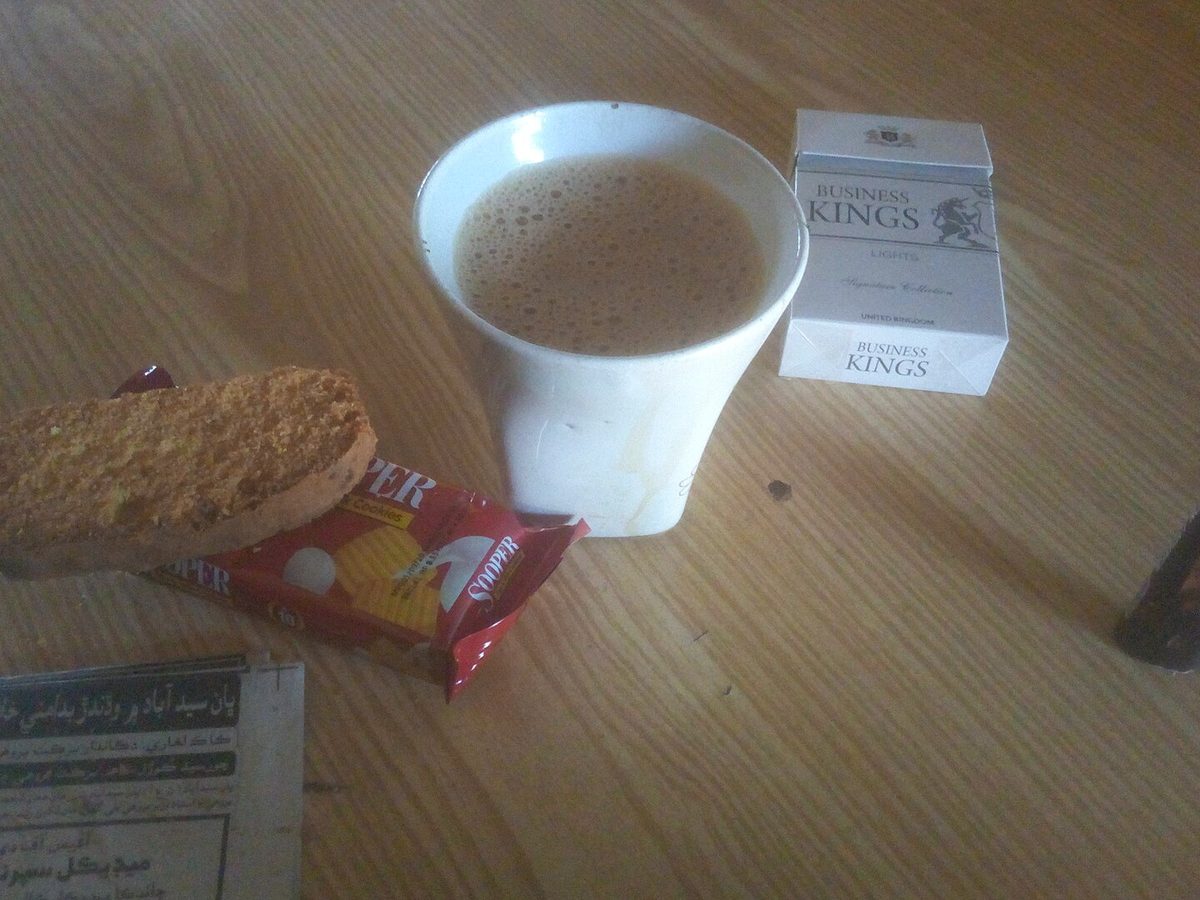
English Breakfast
Black Tea · Blended
Malty · Sweet · Bold
Russian Caravan
Black Tea · Blended
Smoky · Malty · Fruity
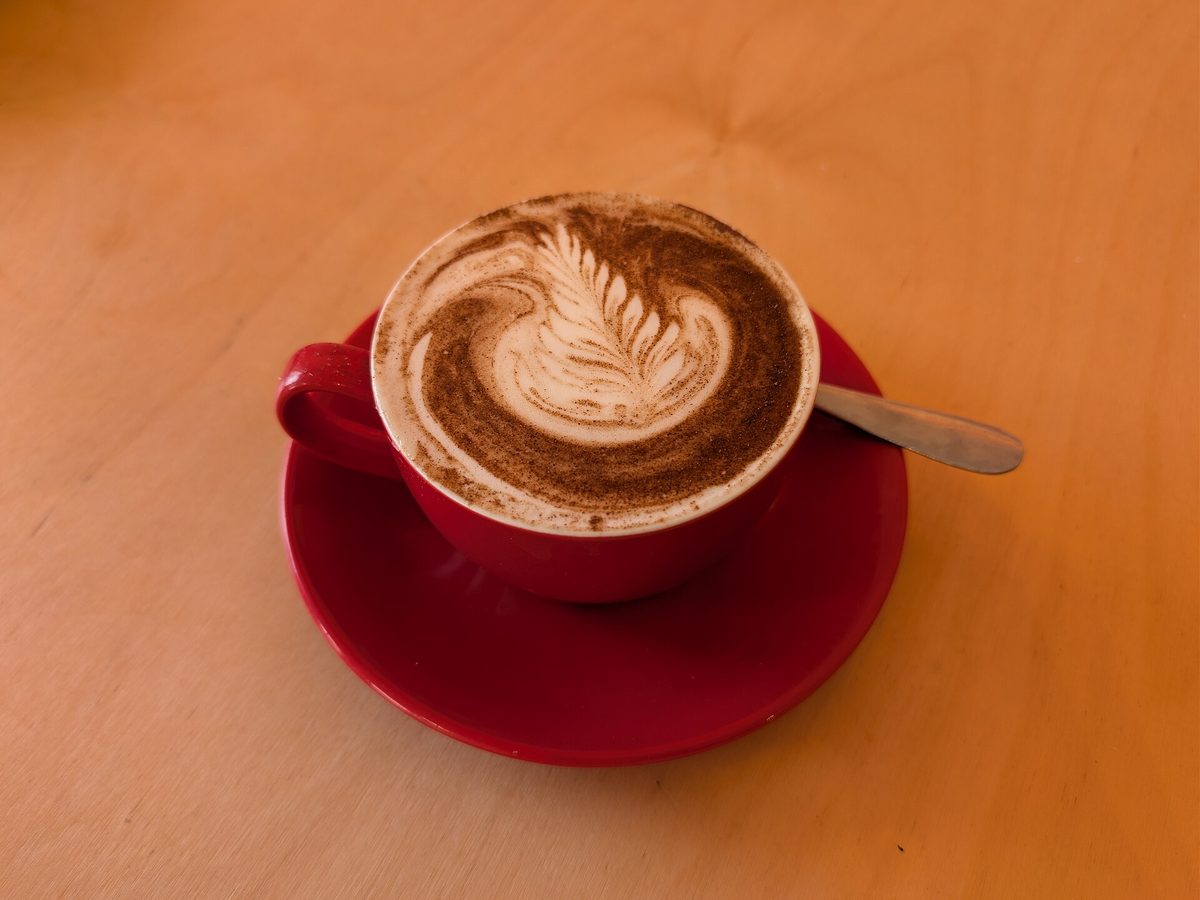
Masala Chai
Black Tea · Blended
Spicy · Malty · Creamy
Vanilla Black
Black Tea · Blended
Creamy · Sweet · Malty
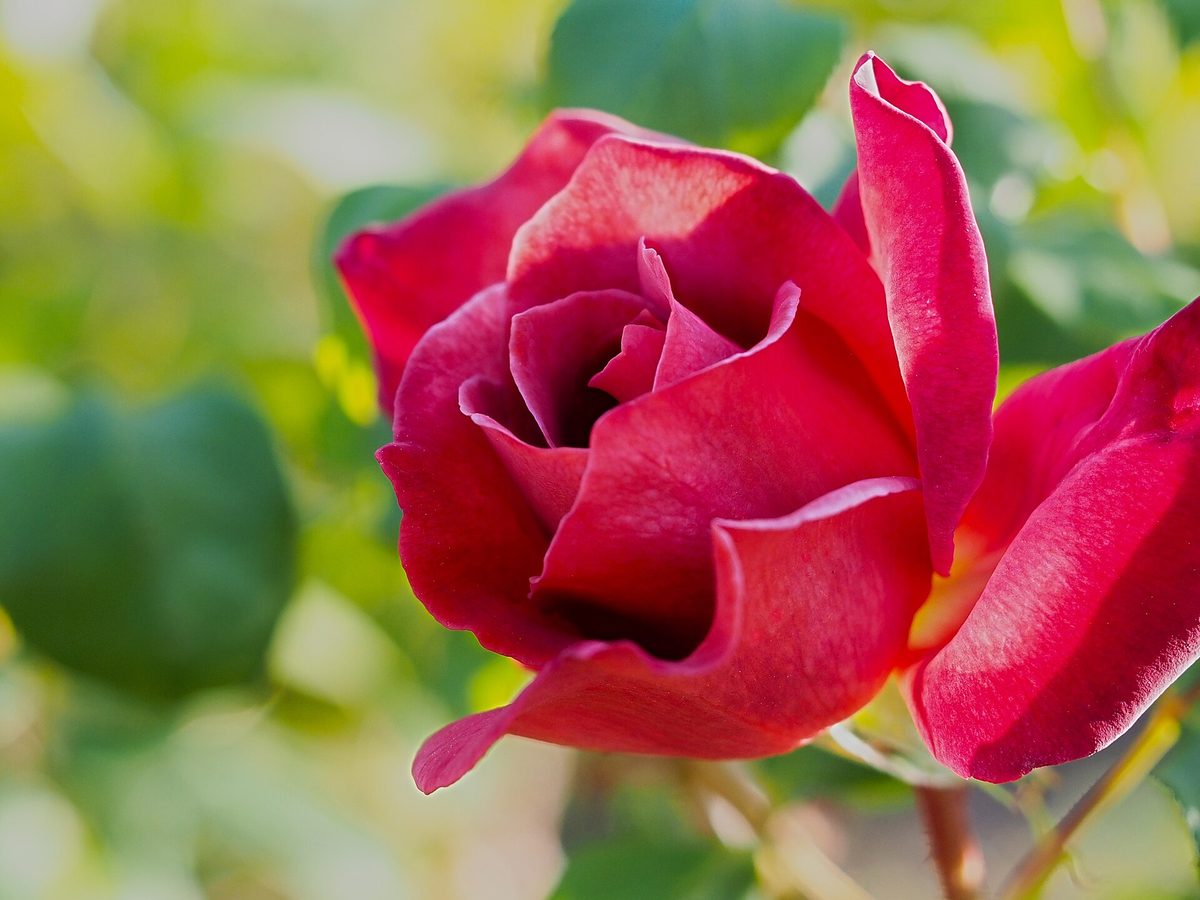
Rose Black
Black Tea · Blended
Floral · Malty · Sweet
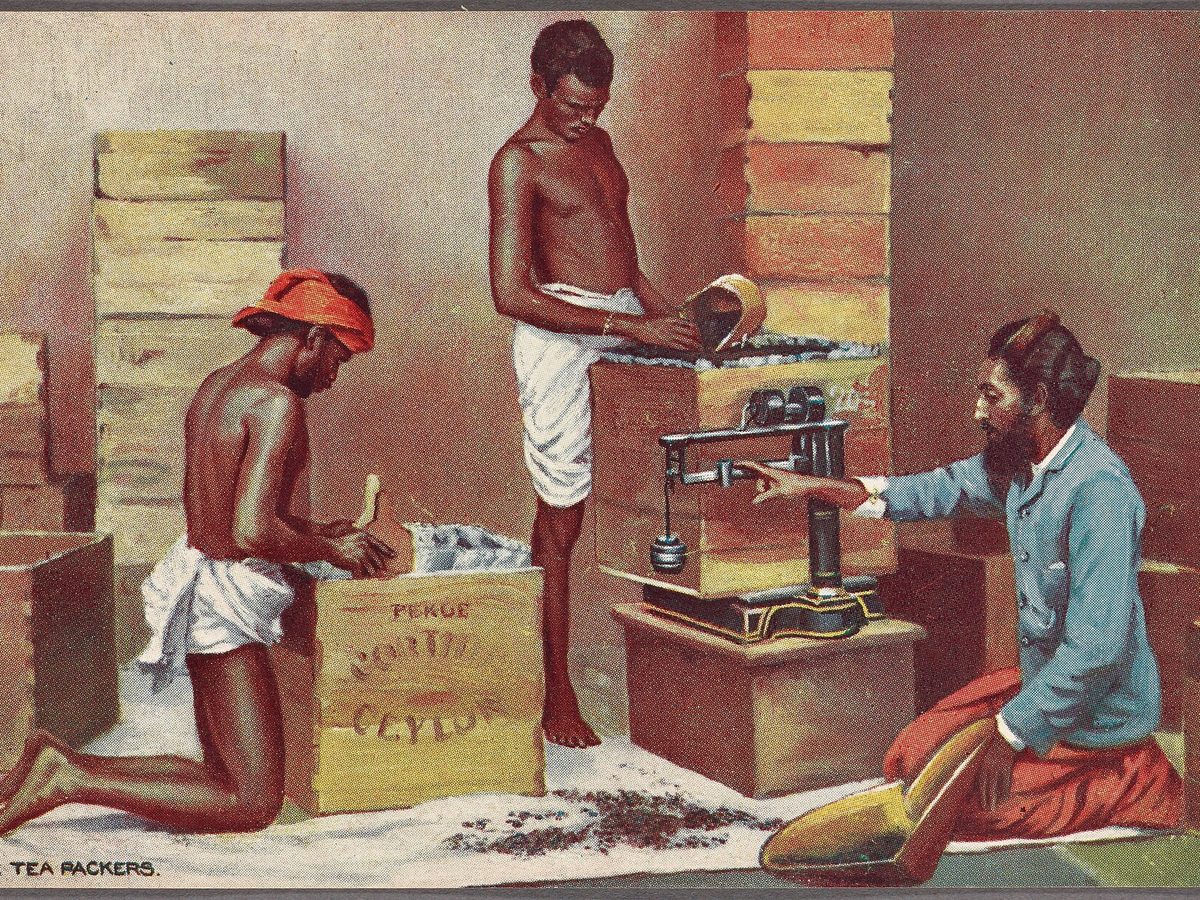
Sri Lanka
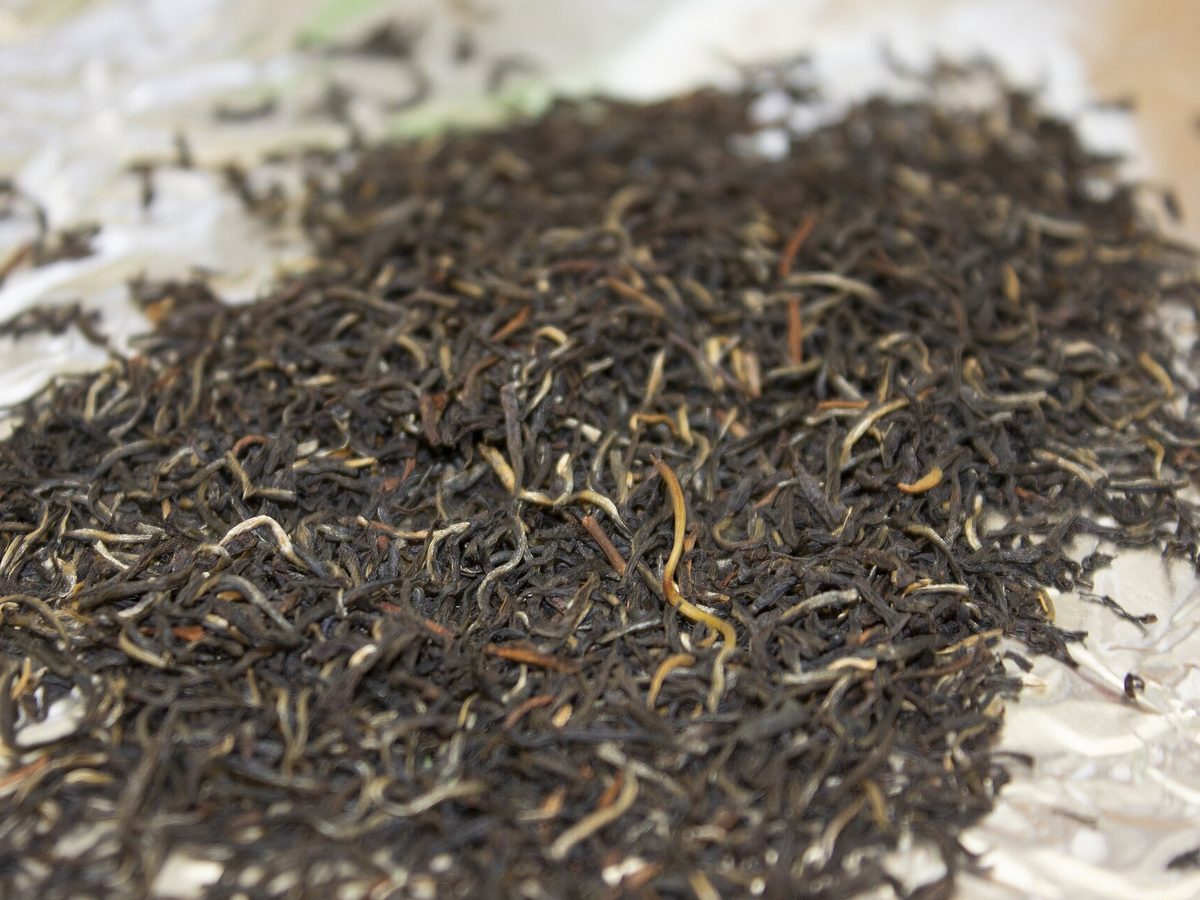
Organoleptic Architecture
Flavor Profile of Black Tea
Signature tasting notes that define this style across origins and producers.
- Bold
- Malty
- Sweet
- Smoky
Craft & Methodology
How Black Tea Is Made
The production sequence, from fresh leaf to finished tea.
- Step 01
Harvest
Mature leaves are plucked, often including more of the stem for body.
- Step 02
Withering
Leaves are spread to wilt, losing moisture and becoming pliable enough to roll without breaking.
- Step 03
Rolling
Rolling bruises the leaf edges, triggering the oxidation reactions that build malty, fruity flavor.
- Step 04
Oxidation
Enzymatic oxidation continues for one to three hours, turning the leaves coppery and dark.
- Step 05
Drying
Heat ends oxidation at the desired point, and a final drying locks in the dark color and robust taste.
Black Tea at a Glance
Derived from all 29 black tea teas in the dataset — not hand-written, so it always matches the individual tea pages.
malty, bold, sweet — forgiving to brew, true to the style.
Black Tea FAQs
How much caffeine is in black tea?
Across the 29 black tea teas in our dataset, a typical cup ranges from about 25 to 80 mg of caffeine — most land in the "medium to high" band. Matcha and shade-grown teas sit at the top of the range because you consume the whole leaf. Estimates assume the standard serving (leaf grams and water volume listed on each tea page), not lab measurements.
What temperature should I brew black tea at?
Most black tea brews best between 85°C and 100°C (185–212°F) for 2–5 minutes. Delicate teas want the cooler end; broken-leaf or roasted styles tolerate hotter water. Each tea page lists its exact parameters.
Which black tea should a beginner start with?
Start with Assam. It is forgiving of timing mistakes and shows the style's signature character — malty, bold, sweet — without demanding precision. Brewing notes and exact parameters are on its tea page.
How should I store black tea?
Airtight, cool, dark, and away from strong odors. Delicate, lightly oxidized teas fade fastest — buy amounts you will finish within about a year. Pressed or heavily roasted black tea keeps longer and some styles even improve with age stored in a breathable paper wrapper.
Can I re-steep black tea?
Most black tea in this guide is listed for 1–2 times infusions. High-quality whole leaves evolve across steeps rather than just fading — add 15–30 seconds per infusion and taste the difference.
29
teas in the database
25–80 mg
caffeine per cup
85–100 °C
brewing temperature
2–5 min steep
western-style steep
FAQ
Black Tea: common questions
How much caffeine does Black Tea have?
Across the 29 Black Tea teas in our database, caffeine ranges from about 25 to 80 mg per typical cup. Shading, roasting and leaf grade move any single tea within that band.
What temperature should I brew Black Tea at?
Our Black Tea teas span 85–100 °C. Delicate shade-grown teas sit at the bottom of the range; roasted or aged styles tolerate the hottest water.
How long should I steep Black Tea?
Western-style steeping runs 2–5 minutes across our Black Tea teas (longer for broken leaf, shorter for whole leaf).
What does Black Tea taste like?
Black Tea is typically described as bold · malty · sweet · smoky. Individual teas vary — check the flavor bars on each page.
Methodology: sources & caveats
Continue Exploring the Botanical Spectrum
Browse every tea in the atlas — filter by type, flavor, origin, and more.