Ying De Hong Tea
Yingde Hong · Ying De Hong Cha
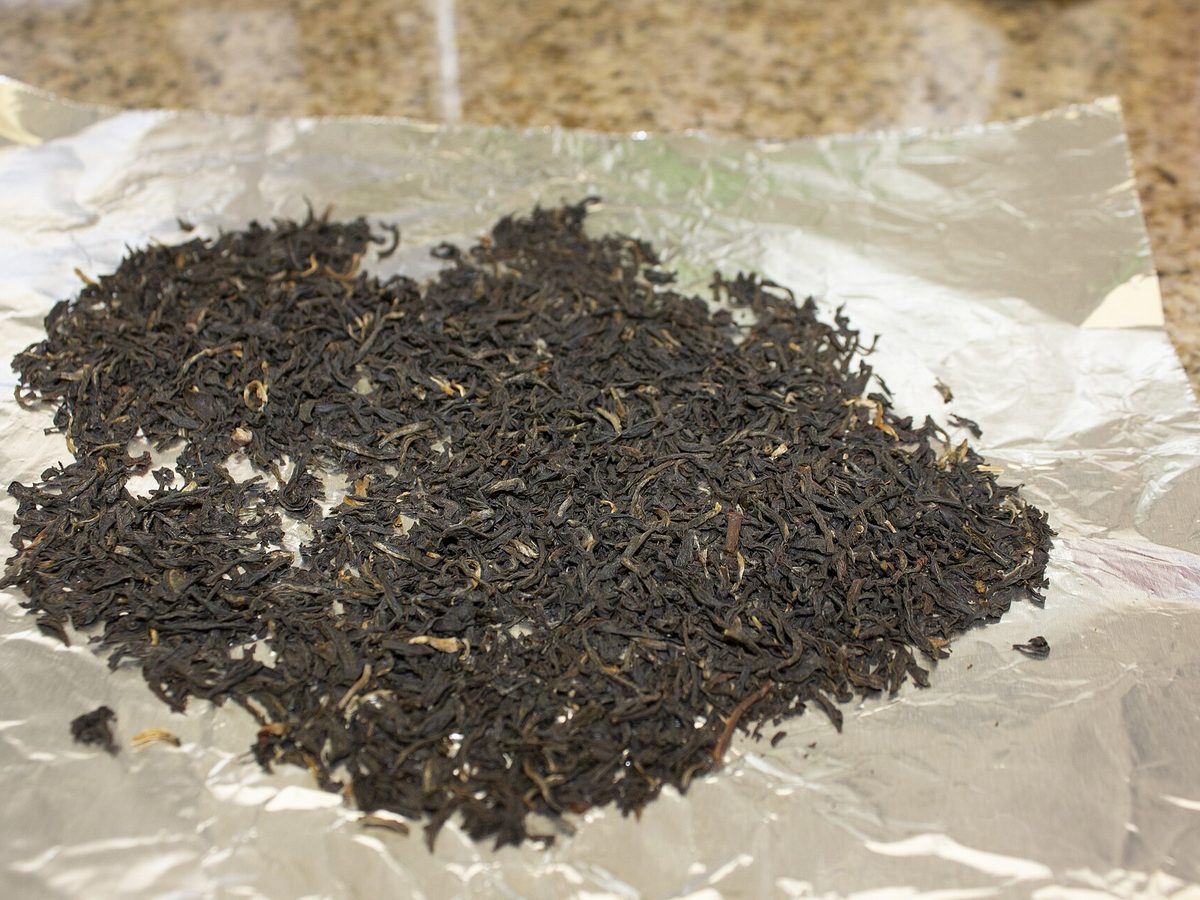
Ying De Hong is a black tea from Yingde in Guangdong province, made from large-leaf Yunnan-type cultivars transplanted south.
Flavor Profile
What does Ying De Hong taste like?
Expect Malty · Cocoa · Sweet — the bars rank each note's relative intensity, strongest first.
Bar length reflects the relative prominence of each flavor note (dominant first), not a laboratory measurement.
Origin
Guangdong, China
Yingde, in northern Guangdong, is one of China's major black-tea export origins.
Where tea cultivation began; home to green, yellow, white, oolong, black, and dark styles across many provinces.
Brewing Guide
How to Brew Ying De Hong
Brewing parameters are a starting point and can be adjusted to taste.
Caffeine
Caffeine in Ying De Hong
Typical brewed serving
Ying De Hong is a high-caffeine black tea. A typical brewed serving contains about 40–70 mg of caffeine.
Values can vary depending on quantity, brewing time, serving size, and preparation method. Range assumes this tea's standard parameters: 3 g leaf to 250 ml water, steeped 3–5 min. Estimates, not lab measurements — see our sources & method.
Fit
Who is Ying De Hong for?
New to tea?
A friendly starting point — forgiving to brew and easy to enjoy on the first cup.
When to drink it
A proper lift — most at home in the morning.
Flavor direction
Full-bodied, leads with malty notes — a black tea with malty, cocoa, sweet character.
Keep Exploring
If you like Ying De Hong
Side by Side
Want to see how Ying De Hong compares?
Choose any tea and compare flavor, origin, caffeine, and brewing side by side.
The story of Ying De Hong
Ask for a strong breakfast tea in parts of Europe and there's a fair chance Ying De Hong is in the cup. Grown around Yingde in northern Guangdong from Yunnan-origin large-leaf cultivars brought south, it has long ranked among China's biggest black-tea exports and backs many a continental breakfast blend.
The appeal is in the cup: full and satisfying, cocoa and roasted sweet potato rounded out by honey over a firm malty body. Its strength stands up to milk while keeping its sweetness underneath, which is exactly what blenders prize it for on the export market. Steep 3 g at a full 95–100°C for three to five minutes; it yields one to two infusions at roughly 40–70 mg of caffeine per cup.
Heavily oxidized but lightly roasted, Ying De Hong does exactly what a morning tea should — and it has been doing it quietly for export markets for generations.
FAQ
Ying De Hong Tea FAQ
Quick answers about Ying De Hong tea, drawn from its flavor, origin, caffeine, and brewing profile.
What is Ying De Hong tea?
Ying De Hong is a Black Tea from Guangdong. It is also known as Yingde Hong and Ying De Hong Cha.
Does Ying De Hong tea have caffeine?
Yes. Ying De Hong is a high-caffeine tea, typically 40–70 mg per brewed serving.
What does Ying De Hong tea taste like?
Ying De Hong is known for a profile led by Malty, Cocoa, and Sweet, with a strong body.
How do you brew Ying De Hong tea?
Use about 3 g of tea per 250 ml of water at 95–100°C, steeping for 3–5 minutes. It can be re-steeped 1–2 times.
Is Ying De Hong tea bitter?
Bitterness is not a defining note of Ying De Hong; its profile centers on Malty, Cocoa, and Sweet.