Earl Grey Tea
Earl Grey is black tea scented with bergamot oil, giving a bright, perfumed citrus note over a malty base.
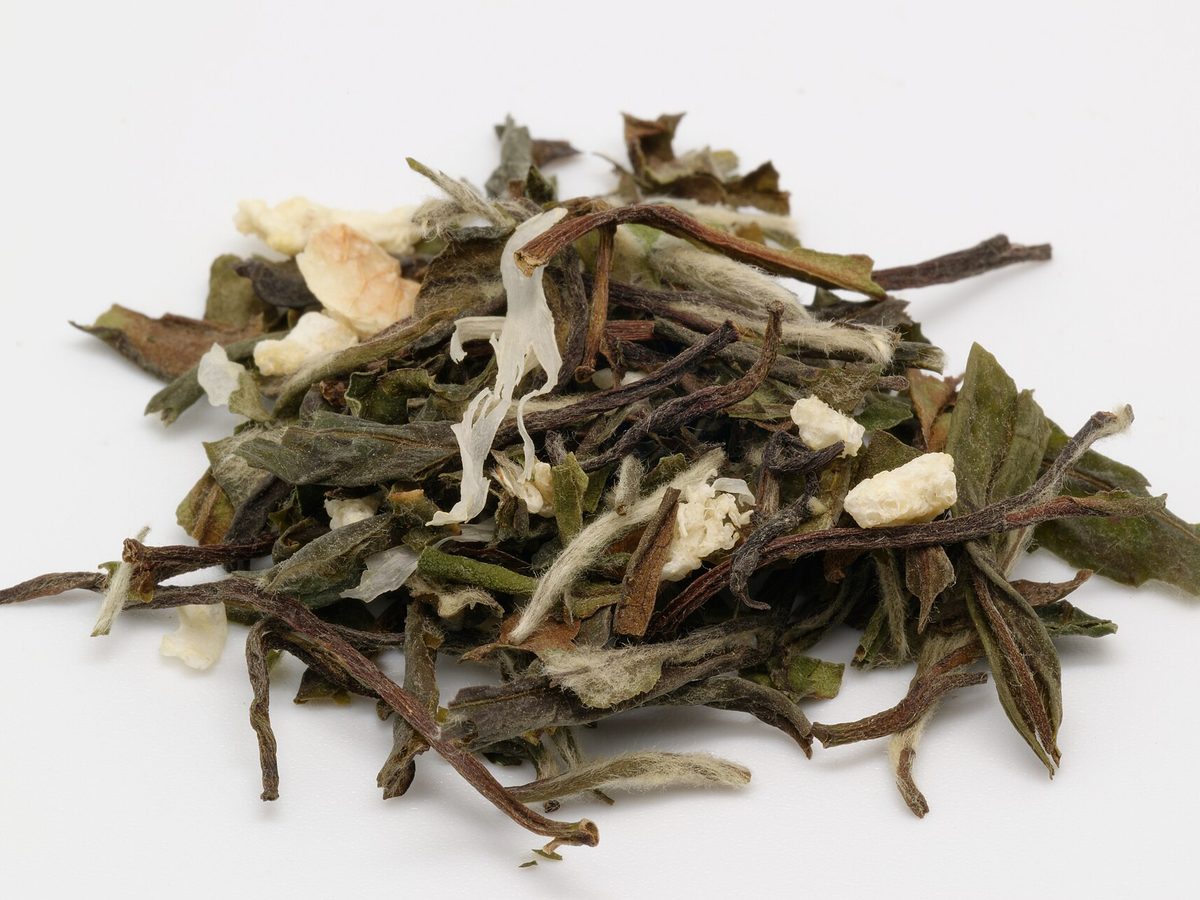
Flavor Profile
What does Earl Grey taste like?
Expect Citrus · Floral · Malty — the bars rank each note's relative intensity, strongest first.
Bar length reflects the relative prominence of each flavor note (dominant first), not a laboratory measurement.
Origin
Blended
Earl Grey is a blended tea, flavored with bergamot oil; named after the 2nd Earl Grey, it is associated with British tea culture rather than a single growing region.
Teas blended or flavored from multiple origins.
Brewing Guide
How to Brew Earl Grey
Brewing parameters are a starting point and can be adjusted to taste.
Caffeine
Caffeine in Earl Grey
Typical brewed serving
Earl Grey is a medium-caffeine black tea. A typical brewed serving contains about 25–45 mg of caffeine.
Values can vary depending on quantity, brewing time, serving size, and preparation method. Range assumes this tea's standard parameters: 3 g leaf to 250 ml water, steeped 3–5 min. Estimates, not lab measurements — see our sources & method.
Fit
Who is Earl Grey for?
New to tea?
A friendly starting point — forgiving to brew and easy to enjoy on the first cup.
When to drink it
Comfortable at any time of day.
Flavor direction
Medium-bodied, leads with citrus notes — a black tea with citrus, floral, malty character.
Keep Exploring
If you like Earl Grey
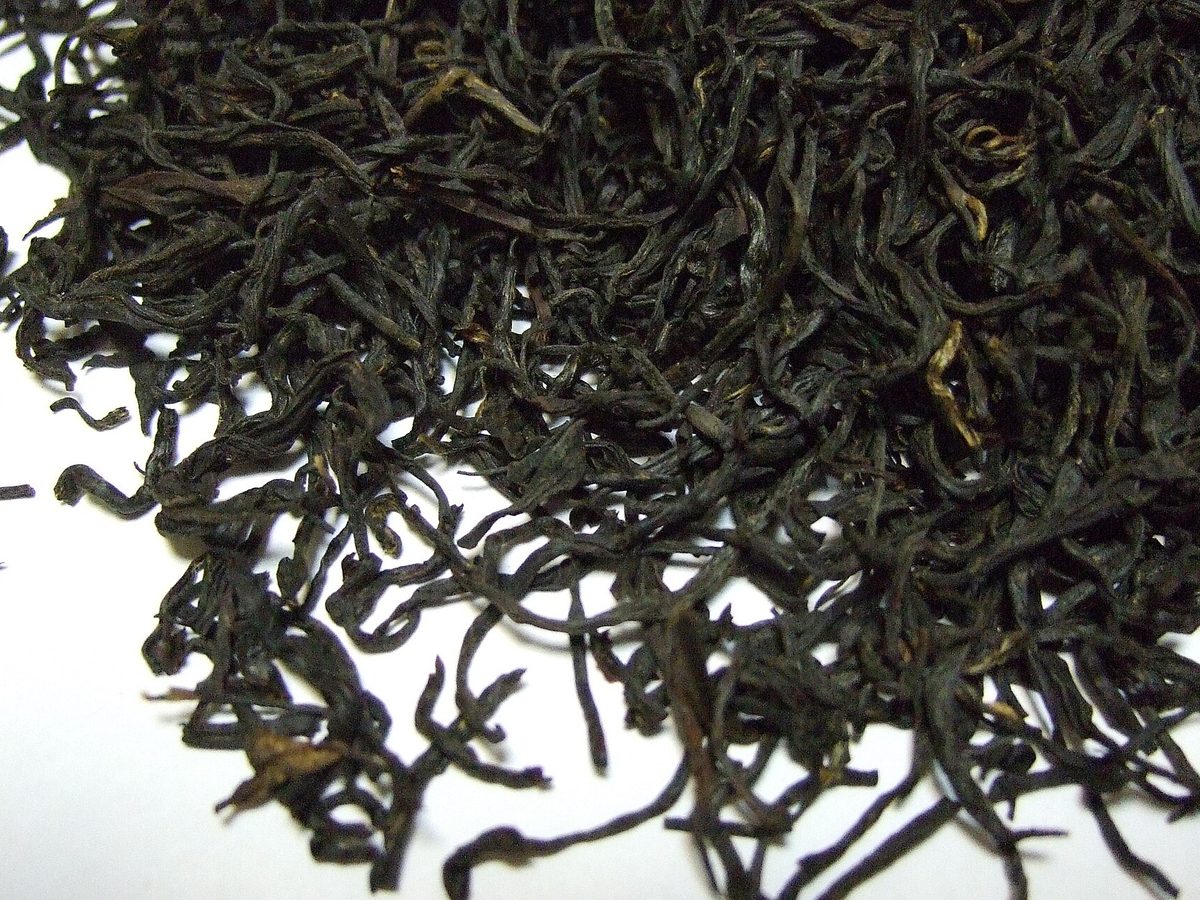
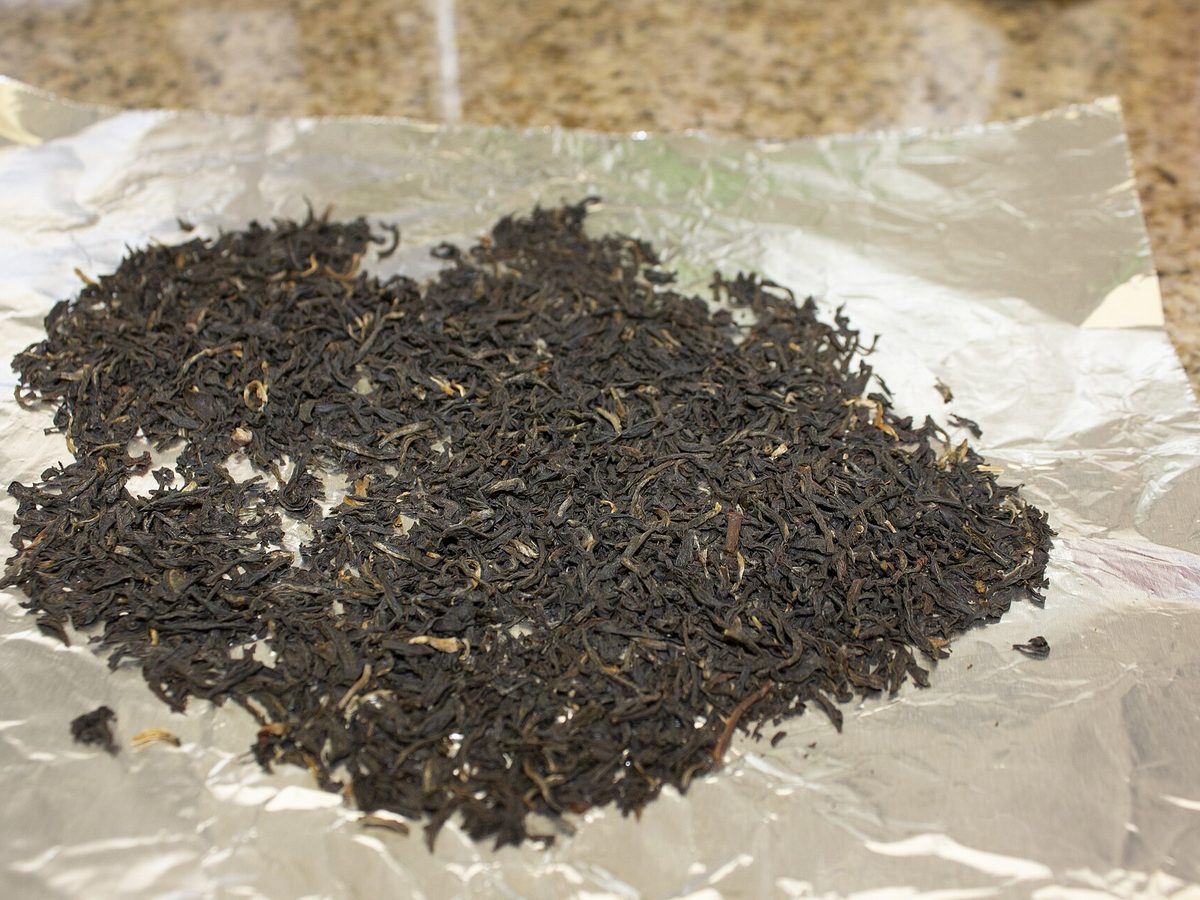
Side by Side
Want to see how Earl Grey compares?
Put Earl Grey next to Keemun and compare flavor, origin, caffeine, and brewing side by side.
The story of Earl Grey
Earl Grey is a flavored tea rather than a origin tea, and its history is part marketing, part myth. The usual story credits the blend to the 2nd Earl Grey, a British prime minister of the 1830s, though how bergamot oil entered the picture is told many ways. What is certain is that by the 19th century, scenting black tea with bergamot — a bitter citrus grown mostly in Calabria, Italy — was an established way to brighten average leaf, and the Earl Grey name became the most durable brand in Western tea.
Quality divides sharply. Good Earl Grey starts with a decent black base — often a Ceylon or a China black like Keemun — and uses natural cold-pressed bergamot oil in measured doses, so the citrus lifts the cup without erasing it. Cheap versions lean on synthetic aroma and drown the base tea entirely. A useful buying test: the dry leaf should smell of fresh citrus peel, not candy, and the brewed cup should still read as black tea with a bergamot top note.
Traditionally it is drunk straight to let the aroma show, though the milk question is cultural rather than doctrinal. Brew at a full 95–100°C for three to five minutes — black blends need the heat to develop the malty body that balances the citrus. It resteeps poorly, so treat it as a single-cup tea, and store it tightly sealed, since bergamot volatile oils fade within months.
FAQ
Earl Grey Tea FAQ
Quick answers about Earl Grey tea, drawn from its flavor, origin, caffeine, and brewing profile.
What is Earl Grey tea?
Earl Grey is a Black Tea blend.
Does Earl Grey tea have caffeine?
Yes. Earl Grey is a medium-caffeine tea, typically 25–45 mg per brewed serving.
What does Earl Grey tea taste like?
Earl Grey is known for a profile led by Citrus, Floral, and Malty, with a medium body.
How do you brew Earl Grey tea?
Use about 3 g of tea per 250 ml of water at 95–100°C, steeping for 3–5 minutes. It can be re-steeped 1 time.
Is Earl Grey tea bitter?
Bitterness is not a defining note of Earl Grey; its profile centers on Citrus, Floral, and Malty.