Lapsang Souchong Tea
Zheng Shan Xiao Zhong
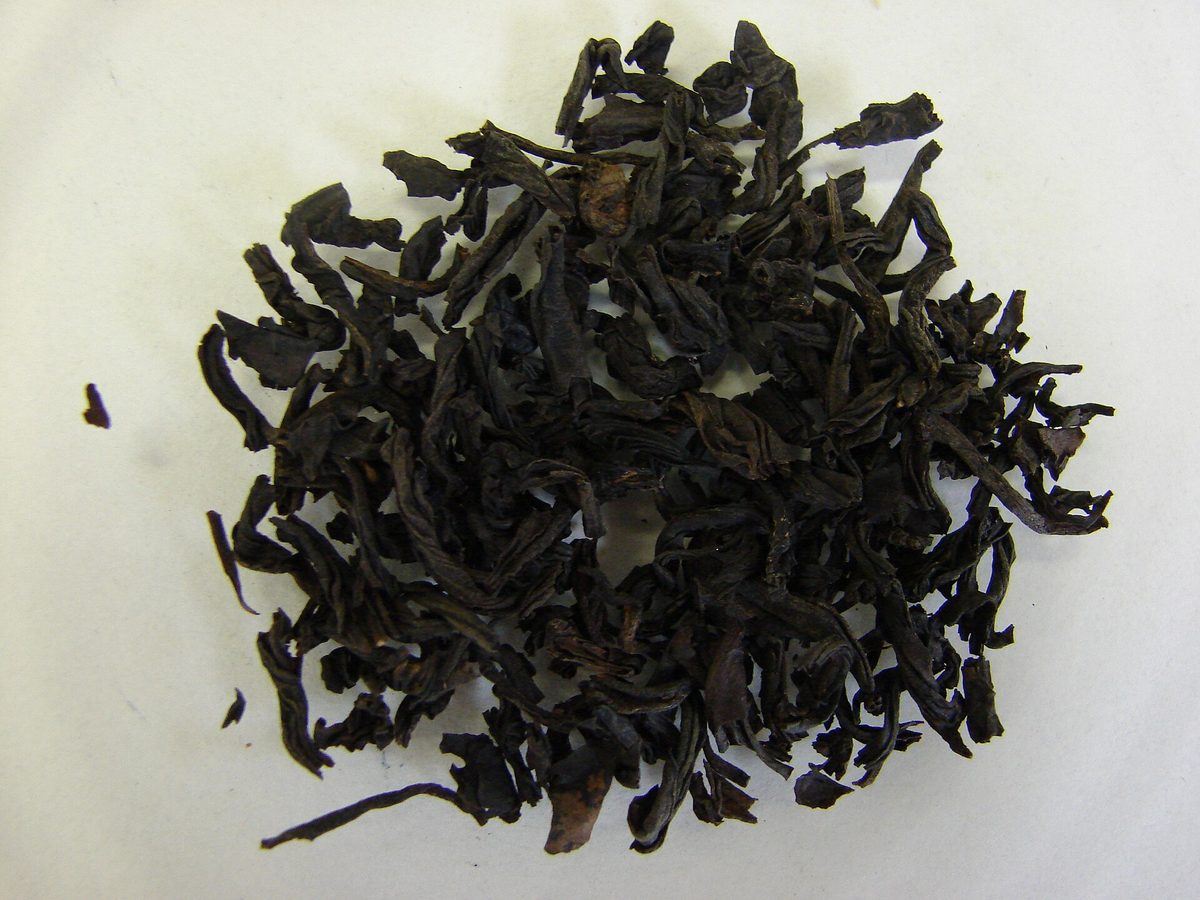
Lapsang Souchong is a smoked black tea from the Wuyi mountains, where the leaves are withered and dried over pinewood fires.
Flavor Profile
What does Lapsang Souchong taste like?
Expect Smoky · Fruity · Sweet — the bars rank each note's relative intensity, strongest first.
Bar length reflects the relative prominence of each flavor note (dominant first), not a laboratory measurement.
Origin
Fujian (Wuyi), China
Authentic Zheng Shan Xiao Zhong comes from the Wuyi mountains of northern Fujian.
Where tea cultivation began; home to green, yellow, white, oolong, black, and dark styles across many provinces.
Brewing Guide
How to Brew Lapsang Souchong
Brewing parameters are a starting point and can be adjusted to taste.
Caffeine
Caffeine in Lapsang Souchong
Typical brewed serving
Lapsang Souchong is a high-caffeine black tea. A typical brewed serving contains about 40–70 mg of caffeine.
Values can vary depending on quantity, brewing time, serving size, and preparation method. Range assumes this tea's standard parameters: 3 g leaf to 250 ml water, steeped 3–5 min. Estimates, not lab measurements — see our sources & method.
Fit
Who is Lapsang Souchong for?
Experienced drinkers
Better once you've explored a few teas — it rewards a little brewing attention.
When to drink it
A proper lift — most at home in the morning.
Flavor direction
Medium-bodied, leads with smoky notes — a black tea with smoky, fruity, sweet character.
Keep Exploring
If you like Lapsang Souchong
Side by Side
Want to see how Lapsang Souchong compares?
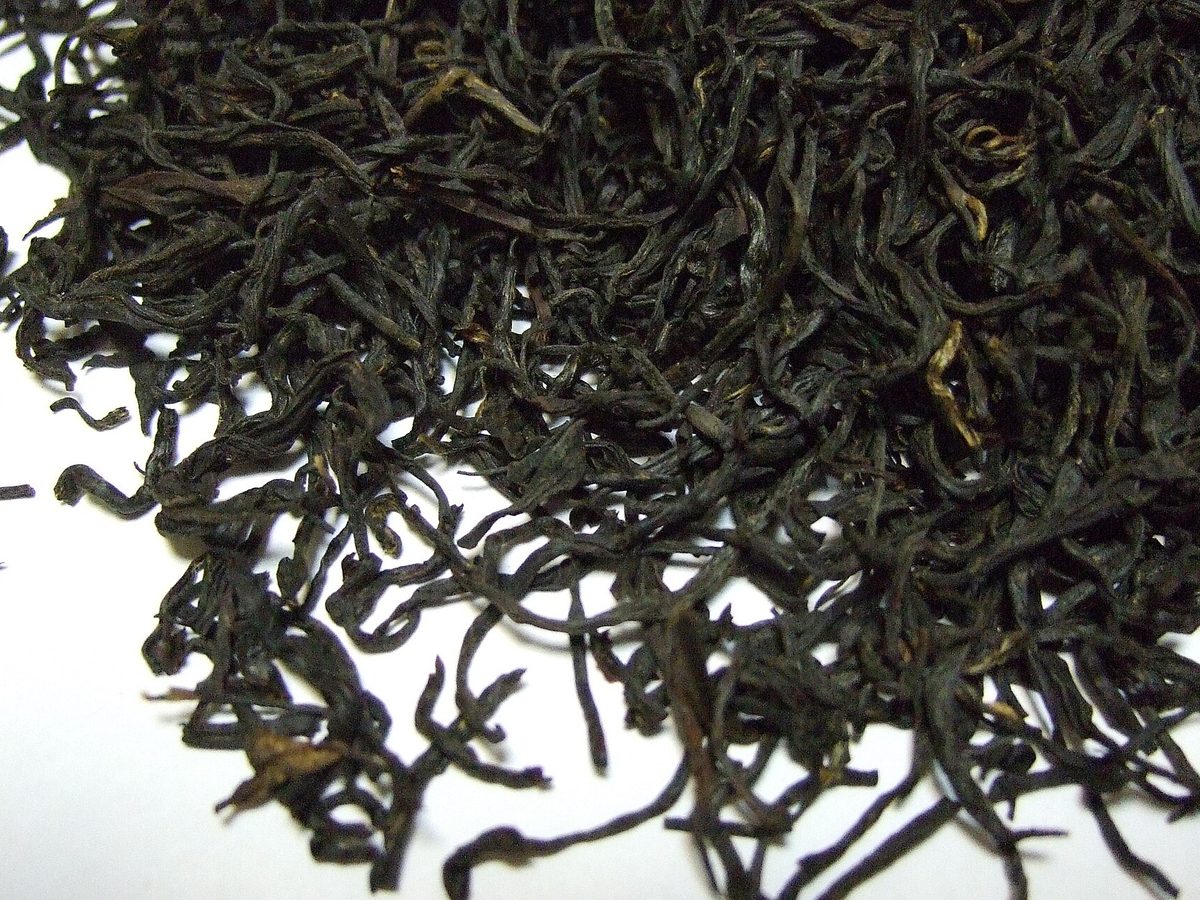
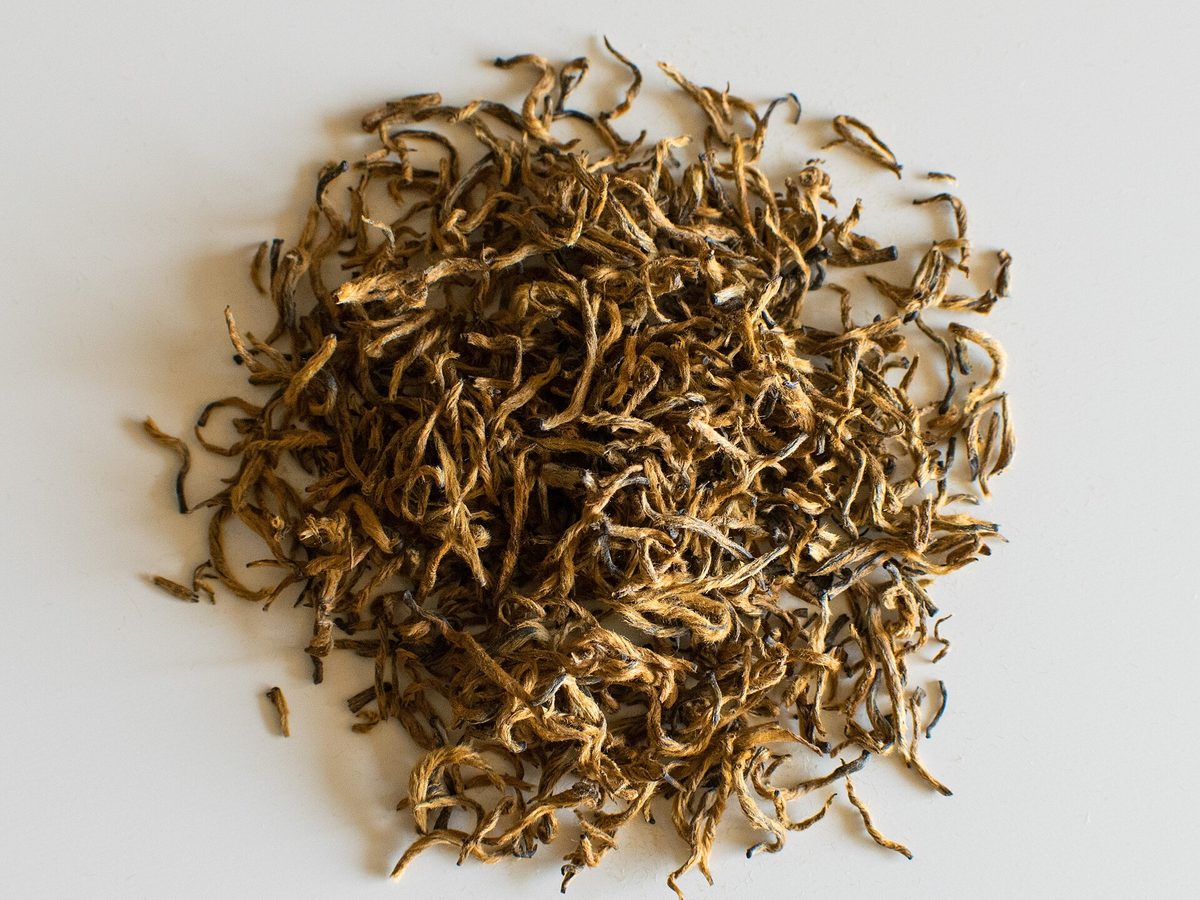
Put Lapsang Souchong next to Keemun and compare flavor, origin, caffeine, and brewing side by side.
The story of Lapsang Souchong
Lapsang Souchong — Zheng Shan Xiao Zhong in Chinese — comes from the Wuyi mountains of northern Fujian, the same region as Da Hong Pao. Its defining step is smoke: leaves are withered and dried over pinewood fires, absorbing a campfire character that sits over dried longan, pine resin, and a mild fruity sweetness. The traditional craft aims for integration, not assault — the smoke should weave through the tea, not bury it.
That balance is worth knowing when buying, because cheaper versions often use liquid smoke flavoring and taste harshly ashy. Real Wuyi lapsang smells of wood smoke with a sweet undertone, and the leaf itself is dark but intact. Brew about 3 grams per 250 ml with water at a full boil for three to five minutes; it takes a long steep without going bitter and resteeps once or twice. Strongly smoky teas can dominate delicate food, so drink it alone or with robust dishes.
Its boldness made it one of the first Chinese black teas widely traded to the West, and it remains a fixture of Western tea culture. Store it airtight; the smoke character actually helps it resist staleness better than most black teas.
FAQ
Lapsang Souchong Tea FAQ
Quick answers about Lapsang Souchong tea, drawn from its flavor, origin, caffeine, and brewing profile.
What is Lapsang Souchong tea?
Lapsang Souchong is a Black Tea from Fujian (Wuyi). It is also known as Zheng Shan Xiao Zhong.
Does Lapsang Souchong tea have caffeine?
Yes. Lapsang Souchong is a high-caffeine tea, typically 40–70 mg per brewed serving.
What does Lapsang Souchong tea taste like?
Lapsang Souchong is known for a profile led by Smoky, Fruity, and Sweet, with a medium body.
How do you brew Lapsang Souchong tea?
Use about 3 g of tea per 250 ml of water at 95–100°C, steeping for 3–5 minutes. It can be re-steeped 1–2 times.
Is Lapsang Souchong tea bitter?
Bitterness is not a defining note of Lapsang Souchong; its profile centers on Smoky, Fruity, and Sweet.