Ceylon Tea
Ceylon tea is the classic name for Sri Lankan black tea, grown island-wide from low gardens to high mountains.
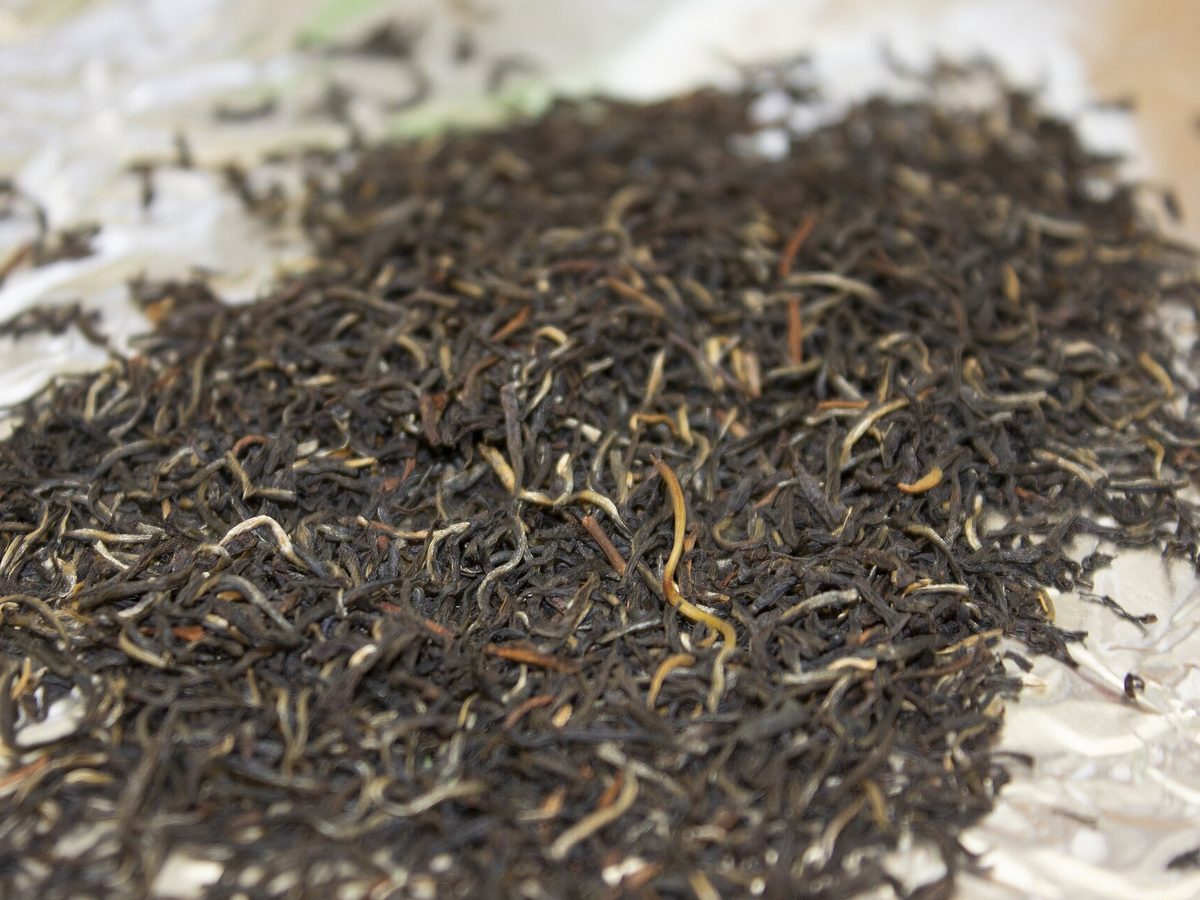
Flavor Profile
What does Ceylon taste like?
Expect Citrus · Malty · Bold — the bars rank each note's relative intensity, strongest first.
Bar length reflects the relative prominence of each flavor note (dominant first), not a laboratory measurement.
Origin
Central Highlands, Sri Lanka
'Ceylon' refers to Sri Lanka's colonial-era tea name; the lion logo certifies Sri Lankan origin.
Source of Ceylon tea, bright and brisk across many elevations.
Brewing Guide
How to Brew Ceylon
Brewing parameters are a starting point and can be adjusted to taste.
Caffeine
Caffeine in Ceylon
Typical brewed serving
Ceylon is a high-caffeine black tea. A typical brewed serving contains about 40–70 mg of caffeine.
Values can vary depending on quantity, brewing time, serving size, and preparation method. Range assumes this tea's standard parameters: 3 g leaf to 250 ml water, steeped 3–5 min. Estimates, not lab measurements — see our sources & method.
Fit
Who is Ceylon for?
New to tea?
A friendly starting point — forgiving to brew and easy to enjoy on the first cup.
When to drink it
A proper lift — most at home in the morning.
Flavor direction
Medium-bodied, leads with citrus notes — a black tea with citrus, malty, bold character.
Keep Exploring
If you like Ceylon
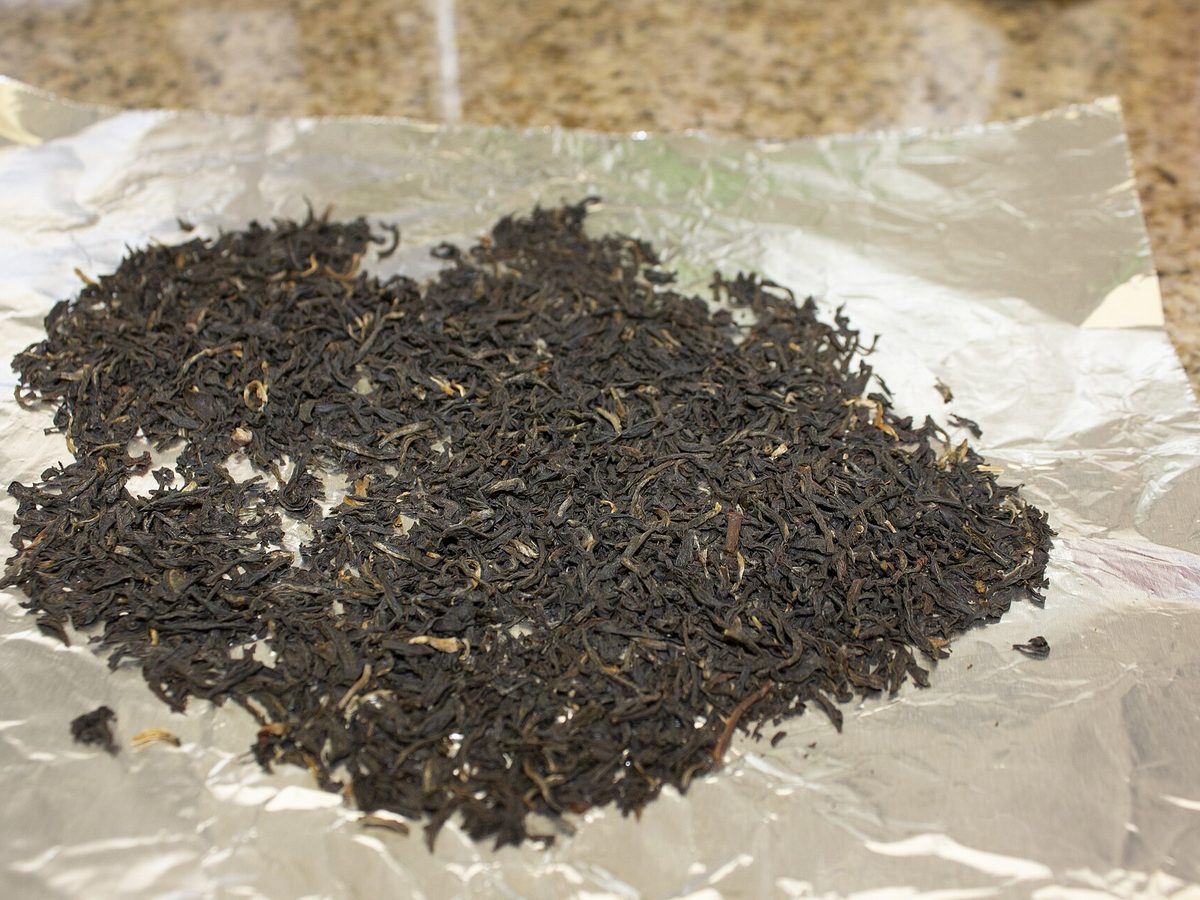
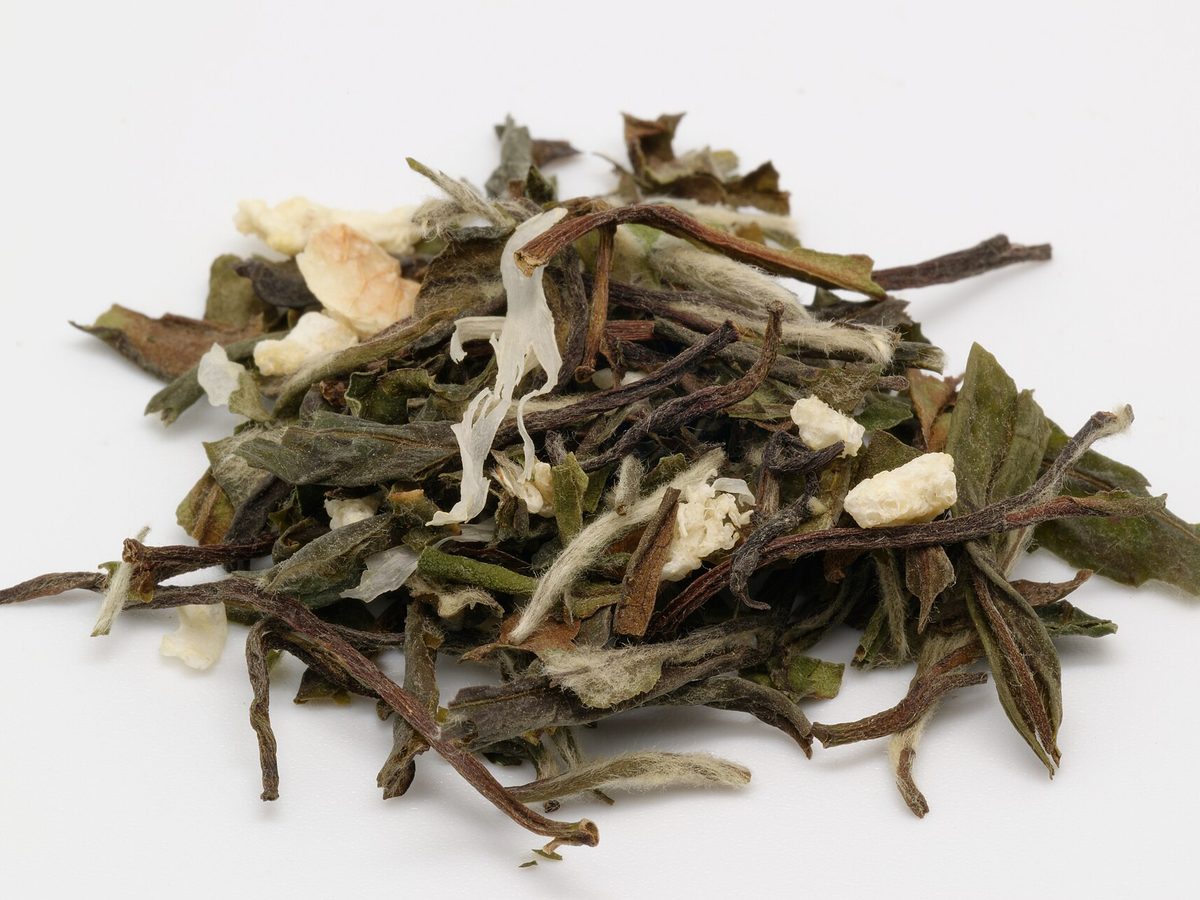
Side by Side
Want to see how Ceylon compares?
Put Ceylon next to Assam and compare flavor, origin, caffeine, and brewing side by side.
The story of Ceylon
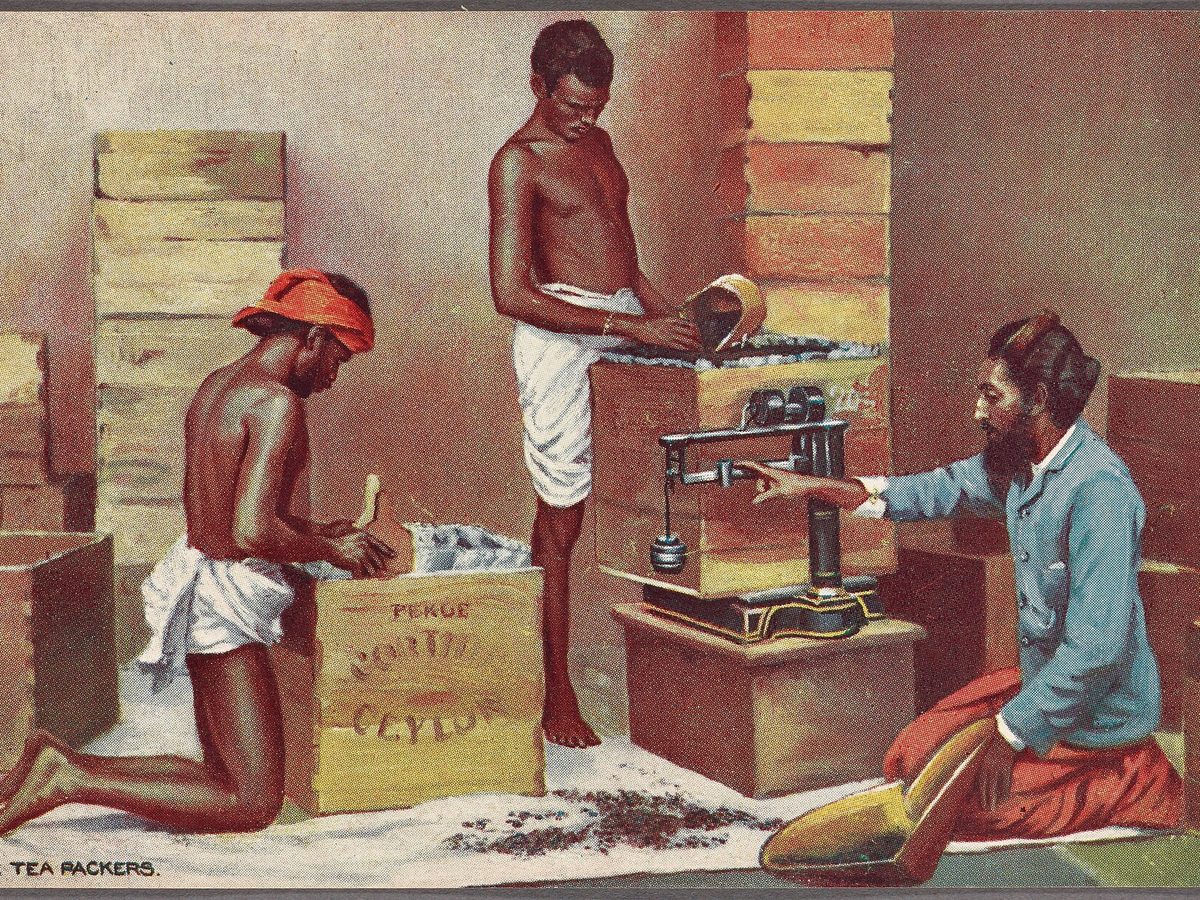
Sri Lanka's highlands do something remarkable for tea. Grown from sea level to over two thousand meters, Ceylon tea — the island's colonial-era name, kept alive on the lion logo that certifies genuine Sri Lankan origin — changes character with altitude, and the differences are dramatic enough that drinkers learn to ask where a lot was grown.
High-grown teas from the central mountains are lighter and more aromatic, all bright citrus peel and clean, refreshing finish. Low-grown teas are darker and stronger, with more malt and body. Most Ceylon lands somewhere brisk and full-flavored in between, which is exactly why it became one of the world's great breakfast teas. It blends exceptionally well and stands up to milk, lemon, or sugar without complaint.
Brew it boldly: 3 grams per 250 ml at 95–100°C, three to five minutes, one or two steeps. Expect roughly 40–70 mg of caffeine per cup. For a beginner-friendly tea with real range, Ceylon is hard to beat — taste a high-grown and a low-grown side by side and the island's geography does the explaining.
FAQ
Ceylon Tea FAQ
Quick answers about Ceylon tea, drawn from its flavor, origin, caffeine, and brewing profile.
What is Ceylon tea?
Ceylon is a Black Tea from Central Highlands.
Does Ceylon tea have caffeine?
Yes. Ceylon is a high-caffeine tea, typically 40–70 mg per brewed serving.
What does Ceylon tea taste like?
Ceylon is known for a profile led by Citrus, Malty, and Bold, with a medium body.
How do you brew Ceylon tea?
Use about 3 g of tea per 250 ml of water at 95–100°C, steeping for 3–5 minutes. It can be re-steeped 1–2 times.
Is Ceylon tea bitter?
Bitterness is not a defining note of Ceylon; its profile centers on Citrus, Malty, and Bold.