Lishan Tea
Li Shan · Pear Mountain
Lishan is a high-mountain oolong from the central range's Lishan area, often grown above 1,600 meters where temperatures stay cool year-round.
Flavor Profile
What does Lishan taste like?
Expect Floral · Creamy · Mineral — the bars rank each note's relative intensity, strongest first.
Bar length reflects the relative prominence of each flavor note (dominant first), not a laboratory measurement.
Origin
Taichung (Lishan), Taiwan
Lishan ('Pear Mountain') is a high-elevation fruit- and tea-growing region in central Taiwan.
Island origin celebrated for high-mountain and roasted oolongs.
Brewing Guide
How to Brew Lishan
Brewing parameters are a starting point and can be adjusted to taste.
Caffeine
Caffeine in Lishan
Typical brewed serving
Lishan is a medium-caffeine oolong tea. A typical brewed serving contains about 25–45 mg of caffeine.
Values can vary depending on quantity, brewing time, serving size, and preparation method. Range assumes this tea's standard parameters: 3 g leaf to 250 ml water, steeped 1–2 min. Estimates, not lab measurements — see our sources & method.
Fit
Who is Lishan for?
New to tea?
A friendly starting point — forgiving to brew and easy to enjoy on the first cup.
When to drink it
Comfortable at any time of day.
Flavor direction
Light-bodied, leads with floral notes — a oolong tea with floral, creamy, mineral character.
Keep Exploring
If you like Lishan
Side by Side
Want to see how Lishan compares?
Choose any tea and compare flavor, origin, caffeine, and brewing side by side.
The story of Lishan
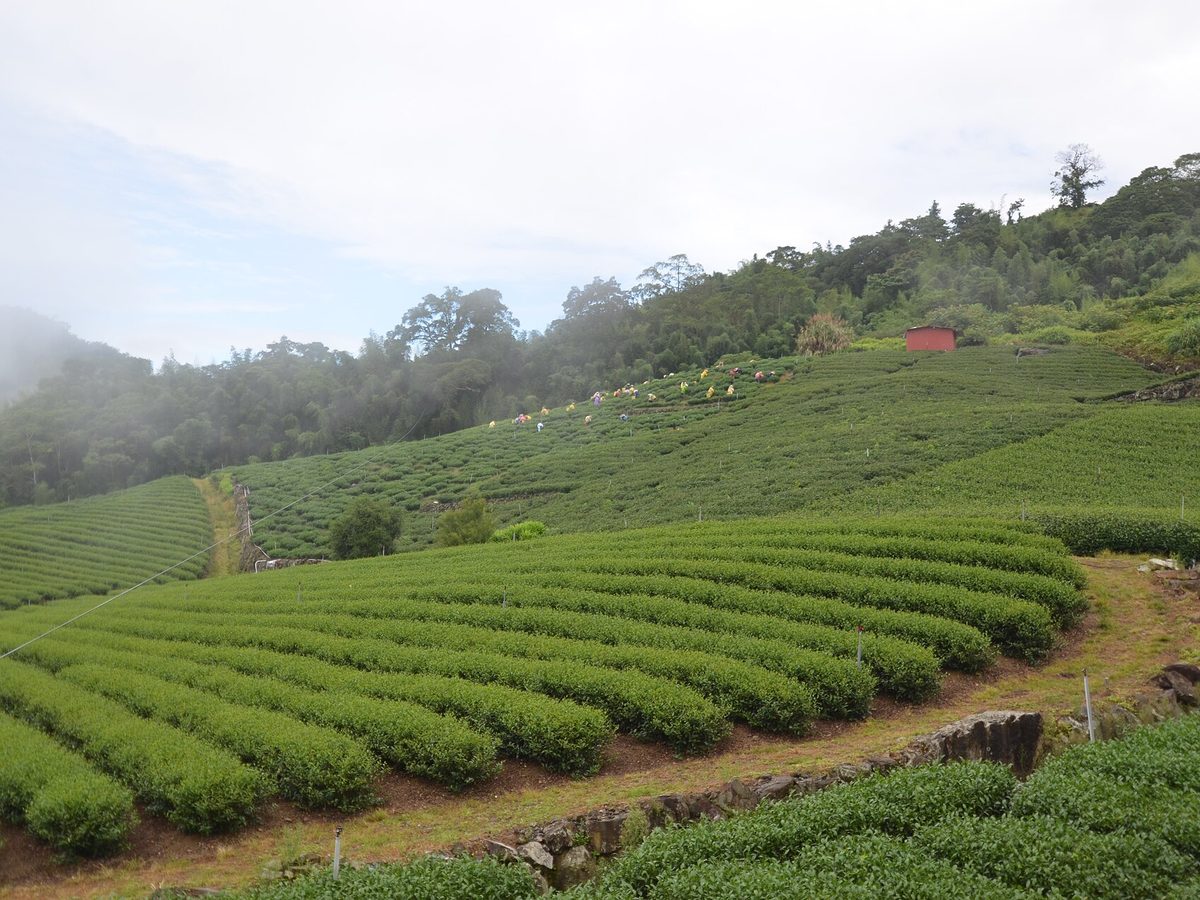
Above 1,600 meters on the central range, temperatures stay cool year-round and the fog barely lifts. That is Lishan — Pear Mountain — a high-elevation region in central Taiwan known for fruit and for some of the island's most refined high-mountain oolong. The slow growth at altitude is what gives the tea its character.
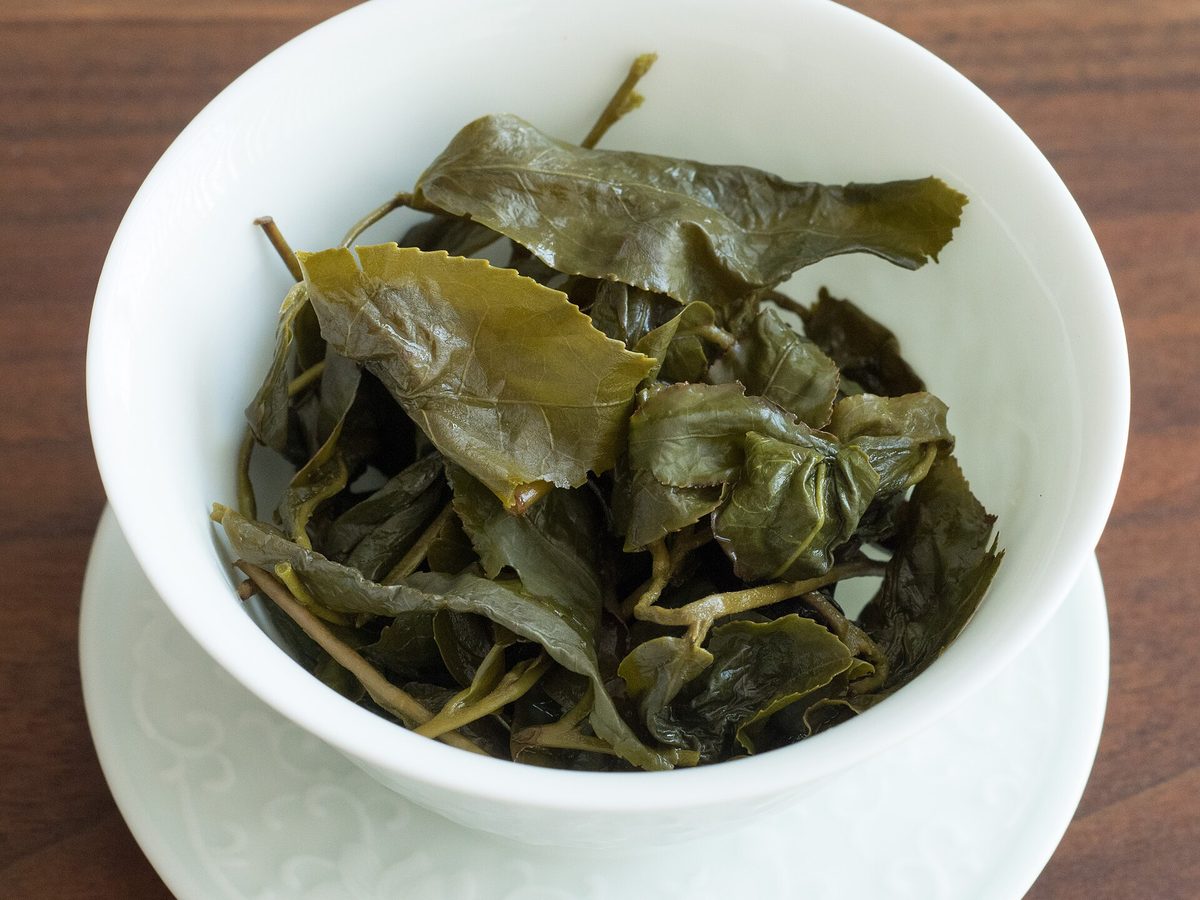
In the cup Lishan is cooling and elegant: soft orchid florals, a buttery creaminess, and a clean sweetness that ends in a distinctive mountain minerality. Set it next to Alishan and the difference is subtle but real — a touch more floral, a touch less milky, with a long, graceful aftertaste. The leaves take slightly cooler water than roasted teas: about 90–95°C on 3 g per 250 ml, steeped one to two minutes, and they will deliver three to six infusions. Caffeine runs roughly 25–45 mg per cup. This is a tea for slow afternoons, best when the leaves are given room to open.
FAQ
Lishan Tea FAQ
Quick answers about Lishan tea, drawn from its flavor, origin, caffeine, and brewing profile.
What is Lishan tea?
Lishan is a Oolong Tea from Taichung (Lishan). It is also known as Li Shan and Pear Mountain.
Does Lishan tea have caffeine?
Yes. Lishan is a medium-caffeine tea, typically 25–45 mg per brewed serving.
What does Lishan tea taste like?
Lishan is known for a profile led by Floral, Creamy, and Mineral, with a light body.
How do you brew Lishan tea?
Use about 3 g of tea per 250 ml of water at 90–95°C, steeping for 1–2 minutes. It can be re-steeped 3–6 times.
Is Lishan tea bitter?
Bitterness is not a defining note of Lishan; its profile centers on Floral, Creamy, and Mineral.