Dayuling Tea
Da Yu Ling
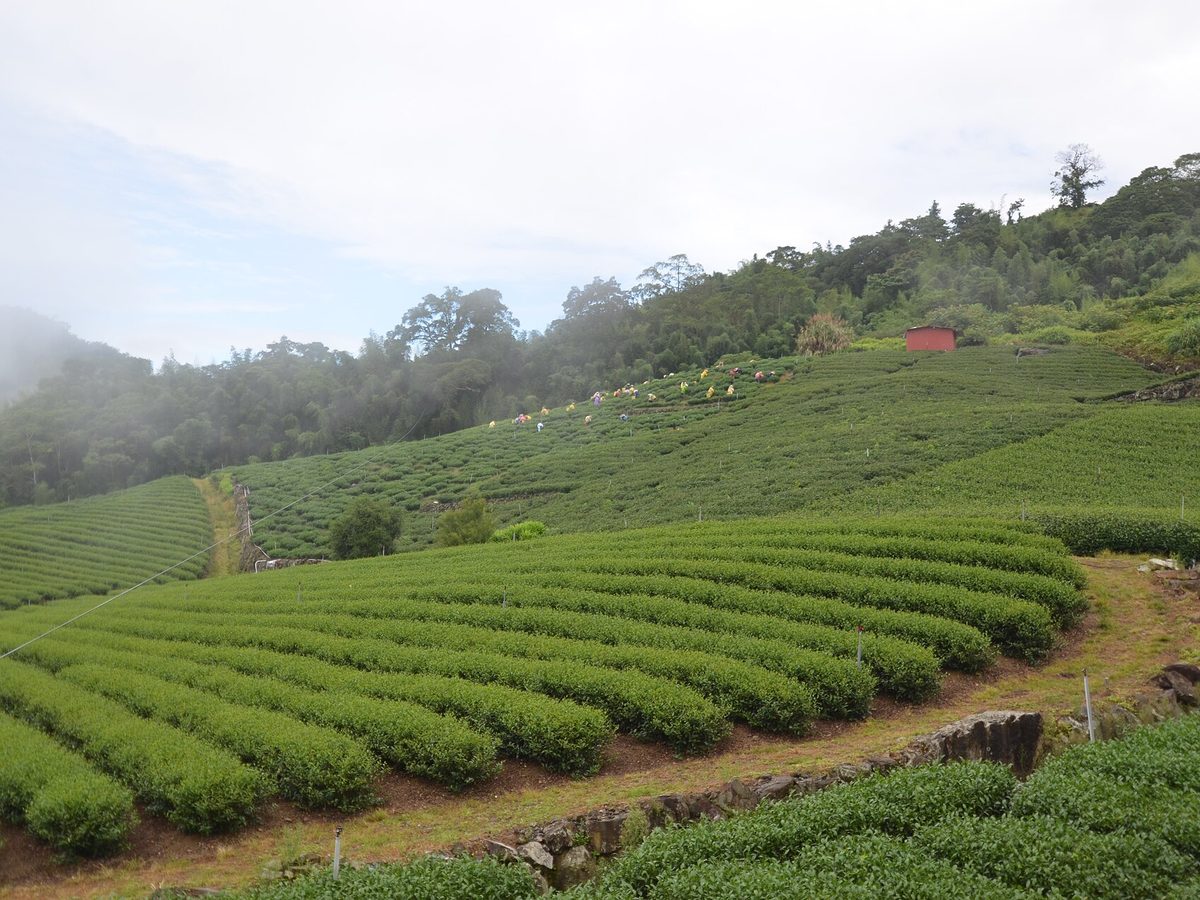
Dayuling is among the highest-elevation oolongs in the world, grown near 2,000–2,500 meters along the Central Cross-Island Highway.
Flavor Profile
What does Dayuling taste like?
Expect Mineral · Floral · Sweet — the bars rank each note's relative intensity, strongest first.
Bar length reflects the relative prominence of each flavor note (dominant first), not a laboratory measurement.
Origin
Nantou (Dayuling), Taiwan
Dayuling's gardens sit near the highest point of Taiwan's Central Cross-Island Highway.
Island origin celebrated for high-mountain and roasted oolongs.
Brewing Guide
How to Brew Dayuling
Brewing parameters are a starting point and can be adjusted to taste.
Caffeine
Caffeine in Dayuling
Typical brewed serving
Dayuling is a medium-caffeine oolong tea. A typical brewed serving contains about 25–45 mg of caffeine.
Values can vary depending on quantity, brewing time, serving size, and preparation method. Range assumes this tea's standard parameters: 3 g leaf to 250 ml water, steeped 1–2 min. Estimates, not lab measurements — see our sources & method.
Fit
Who is Dayuling for?
Experienced drinkers
Better once you've explored a few teas — it rewards a little brewing attention.
When to drink it
Comfortable at any time of day.
Flavor direction
Light-bodied, leads with mineral notes — a oolong tea with mineral, floral, sweet character.
Keep Exploring
If you like Dayuling
Side by Side
Want to see how Dayuling compares?
Choose any tea and compare flavor, origin, caffeine, and brewing side by side.
The story of Dayuling
Altitude does most of the talking at Dayuling. The gardens sit near the highest point of Taiwan's Central Cross-Island Highway, around 2,000 to 2,500 meters, where cold nights, strong sun, and thin air slow the leaf's growth to a crawl. Slow-grown leaves concentrate their aromatics, which is why this oolong tastes so remarkably clean.
In the cup, expect cool mountain minerality first, then delicate florals and a glacial, almost water-like sweetness. Astringency is barely there, even when the leaf sits a minute longer than planned. The finish lingers cool and pure, and the empty cup keeps a faint mountain aroma.
Quantities are small and prices high — gardens this high produce little, and weather can take a harvest in a single night. Most drinkers save Dayuling for special occasions, brewed gongfu style at 90–95°C, enjoying three to six short infusions that shift from mineral to floral to honeyed. It is a tea best approached slowly, one small cup at a time.
FAQ
Dayuling Tea FAQ
Quick answers about Dayuling tea, drawn from its flavor, origin, caffeine, and brewing profile.
What is Dayuling tea?
Dayuling is a Oolong Tea from Nantou (Dayuling). It is also known as Da Yu Ling.
Does Dayuling tea have caffeine?
Yes. Dayuling is a medium-caffeine tea, typically 25–45 mg per brewed serving.
What does Dayuling tea taste like?
Dayuling is known for a profile led by Mineral, Floral, and Sweet, with a light body.
How do you brew Dayuling tea?
Use about 3 g of tea per 250 ml of water at 90–95°C, steeping for 1–2 minutes. It can be re-steeped 3–6 times.
Is Dayuling tea bitter?
Bitterness is not a defining note of Dayuling; its profile centers on Mineral, Floral, and Sweet.