Aged Oolong Tea
Lao Cha · Aged Wuyi
Aged oolong refers to roasted oolongs — often Wuyi yancha or Taiwanese rolled styles — that have been re-roasted and stored for years or decades.
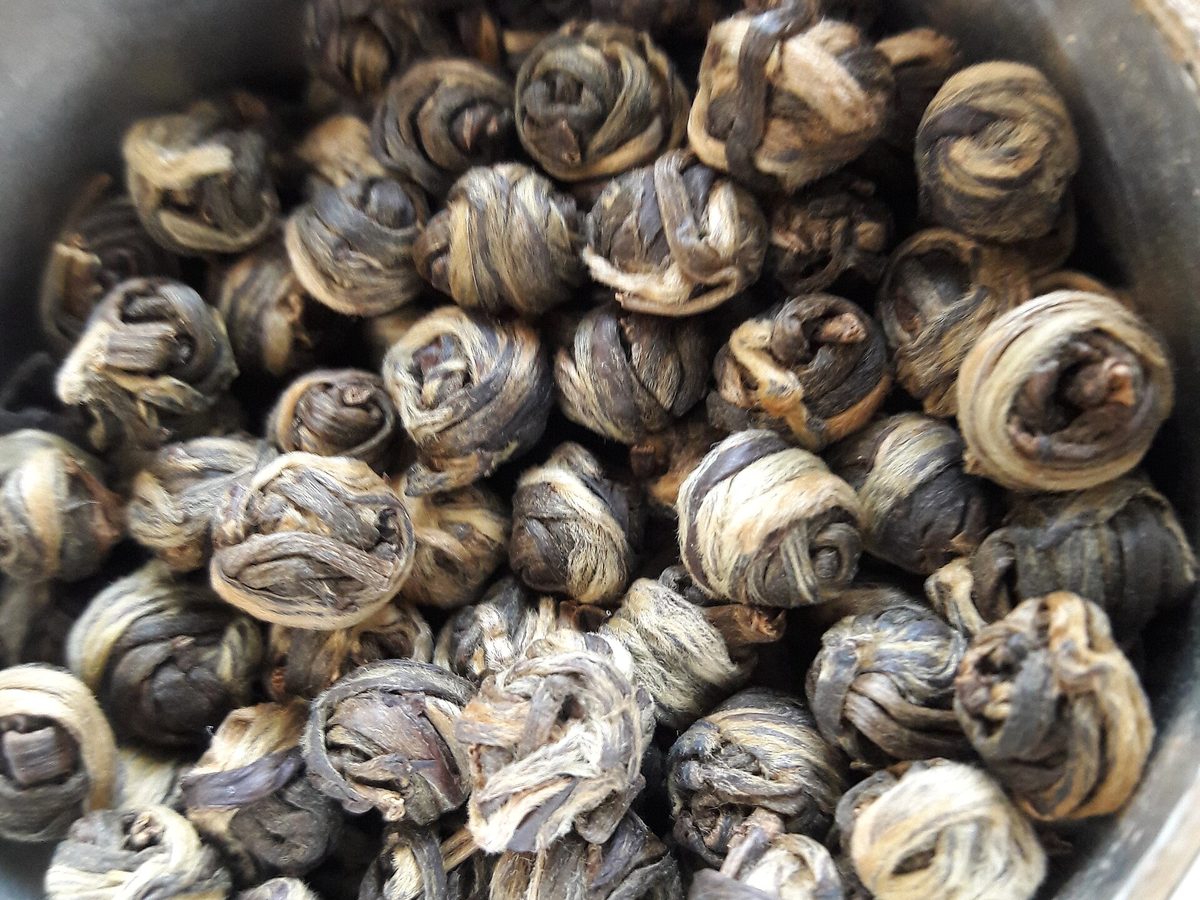
Flavor Profile
What does Aged Oolong taste like?
Expect Woody · Fruity · Earthy — the bars rank each note's relative intensity, strongest first.
Bar length reflects the relative prominence of each flavor note (dominant first), not a laboratory measurement.
Origin
Fujian / Taiwan, China
Both Wuyi and Taiwanese producers age oolong; periodic re-roasting keeps the leaves dry and develops depth.
Where tea cultivation began; home to green, yellow, white, oolong, black, and dark styles across many provinces.
Brewing Guide
How to Brew Aged Oolong
Brewing parameters are a starting point and can be adjusted to taste.
Caffeine
Caffeine in Aged Oolong
Typical brewed serving
Aged Oolong is a medium-caffeine oolong tea. A typical brewed serving contains about 30–50 mg of caffeine.
Values can vary depending on quantity, brewing time, serving size, and preparation method. Range assumes this tea's standard parameters: 3 g leaf to 250 ml water, steeped 1–2 min. Estimates, not lab measurements — see our sources & method.
Fit
Who is Aged Oolong for?
Experienced drinkers
Better once you've explored a few teas — it rewards a little brewing attention.
When to drink it
Comfortable at any time of day.
Flavor direction
Full-bodied, leads with woody notes — a oolong tea with woody, fruity, earthy character.
Keep Exploring
If you like Aged Oolong
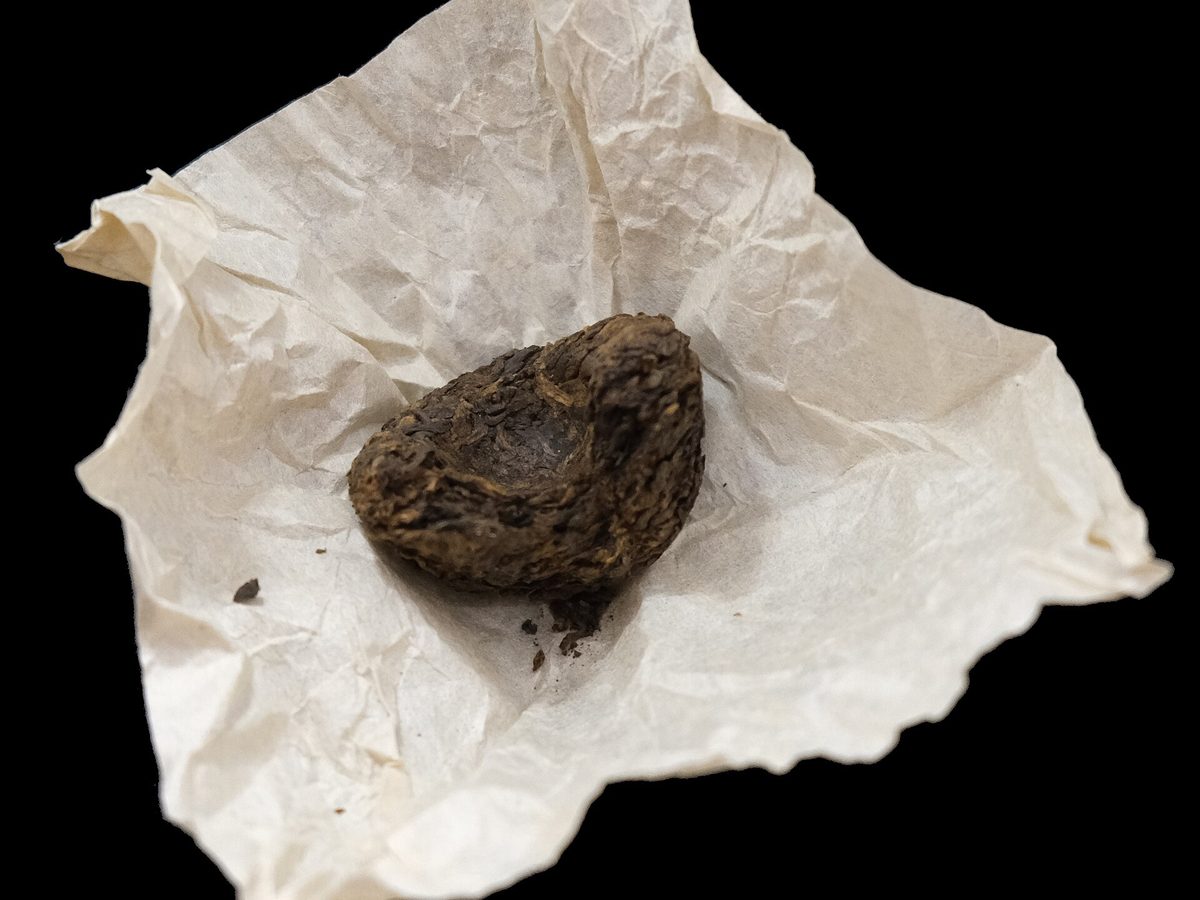
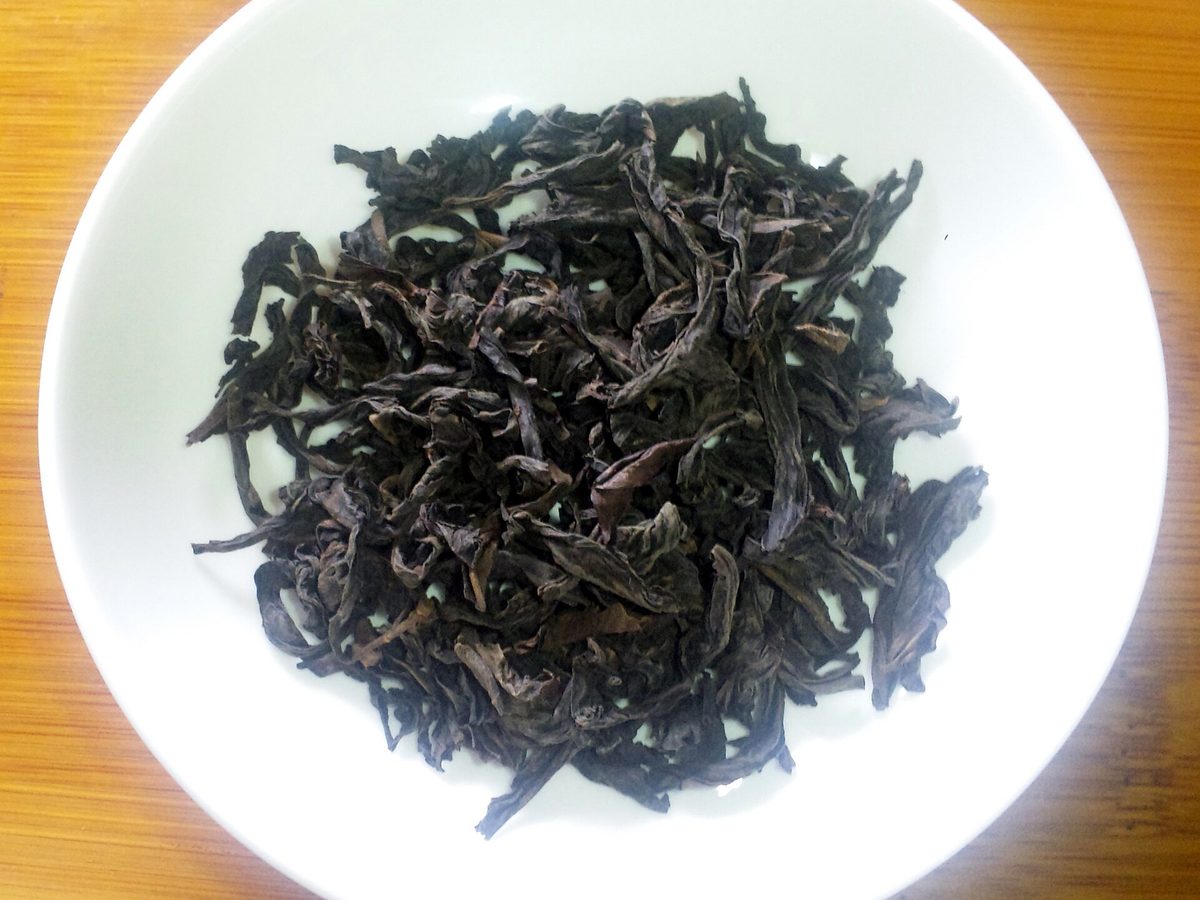
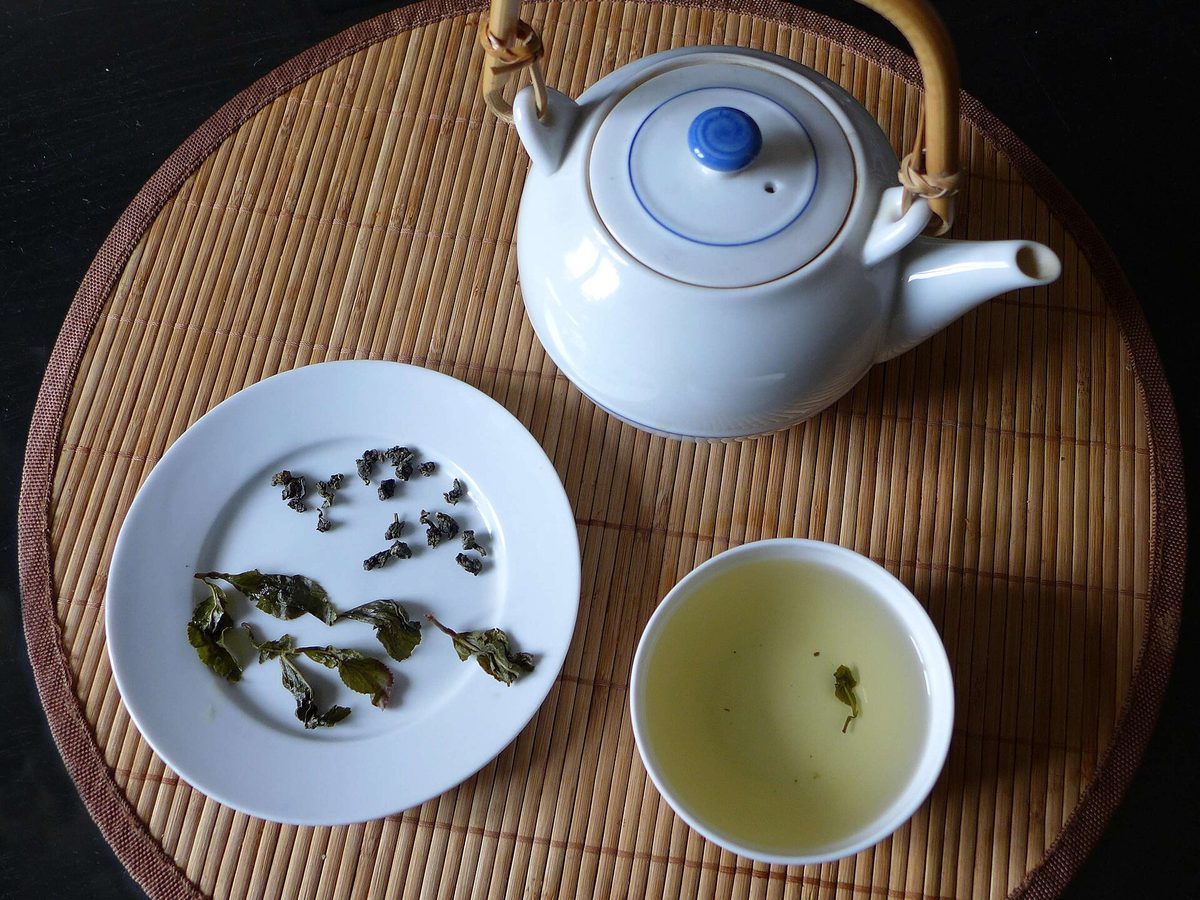
Side by Side
Want to see how Aged Oolong compares?
Put Aged Oolong next to Shu Pu-erh and compare flavor, origin, caffeine, and brewing side by side.
The story of Aged Oolong
Time does most of the work in an aged oolong. Roasted leaves — often Wuyi yancha from Fujian or rolled styles from Taiwan — are set aside and periodically re-roasted over the years, a practice that keeps them dry and slowly coaxes out depth. Producers in both regions age their oolongs this way, and a well-kept cake or jar of leaves can be revisited a decade or more after it was first fired.
In the cup, the wait pays off. Where a young roasted oolong can feel sharp and mineral, an aged one turns dark and rounded: plum and dried fruit, a whisper of camphor, old wood, and a thick, warming body that lingers sweetly long after the sip. Harshness fades; what remains is a smooth, grounding character that experienced drinkers prize.
Brew it like you would any heavily roasted oolong — about 3 grams in 250 ml of water just off the boil, 95 to 100°C, with one to two minutes per steep. The leaves hold up across three to six infusions, and many drinkers find the middle steeps the most compelling. This is not a beginner's tea; it rewards slow attention and patience, much like the aging itself. With roughly 30–50 mg of caffeine per cup, it suits quiet afternoons more than rushed mornings.
FAQ
Aged Oolong Tea FAQ
Quick answers about Aged Oolong tea, drawn from its flavor, origin, caffeine, and brewing profile.
What is Aged Oolong tea?
Aged Oolong is a Oolong Tea from Fujian / Taiwan. It is also known as Lao Cha and Aged Wuyi.
Does Aged Oolong tea have caffeine?
Yes. Aged Oolong is a medium-caffeine tea, typically 30–50 mg per brewed serving.
What does Aged Oolong tea taste like?
Aged Oolong is known for a profile led by Woody, Fruity, and Earthy, with a strong body.
How do you brew Aged Oolong tea?
Use about 3 g of tea per 250 ml of water at 95–100°C, steeping for 1–2 minutes. It can be re-steeped 3–6 times.
Is Aged Oolong tea bitter?
Bitterness is not a defining note of Aged Oolong; its profile centers on Woody, Fruity, and Earthy.