GABA Oolong Tea
Gabaron Oolong
GABA oolong is processed in a nitrogen-rich environment that converts glutamate into gamma-aminobutyric acid, giving the tea a distinctive tangy-sweet profile.
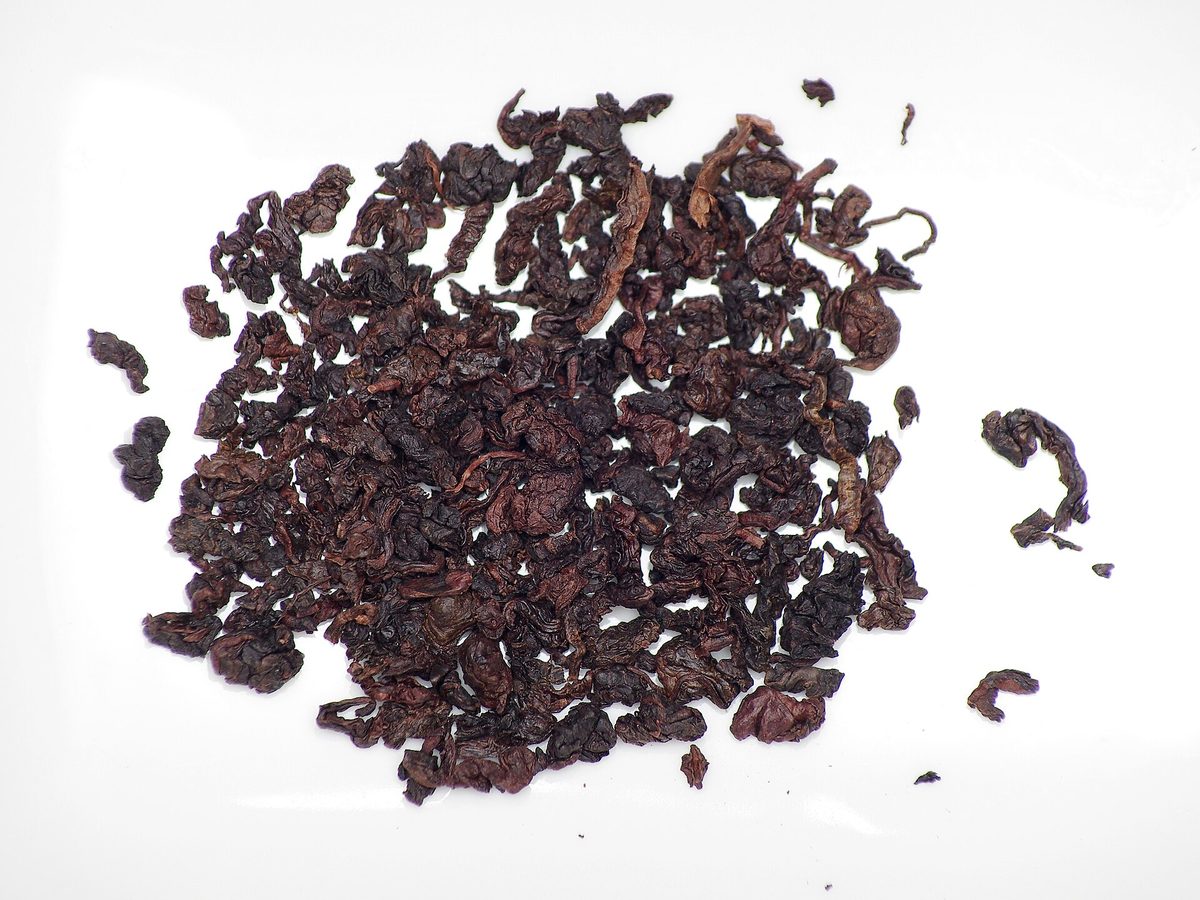
Flavor Profile
What does GABA Oolong taste like?
Expect Fruity · Smooth · Sweet — the bars rank each note's relative intensity, strongest first.
Bar length reflects the relative prominence of each flavor note (dominant first), not a laboratory measurement.
Origin
Various, Taiwan
The GABA process was developed in Japan and adopted by Taiwanese producers for oolong in the 1980s.
Island origin celebrated for high-mountain and roasted oolongs.
Brewing Guide
How to Brew GABA Oolong
Brewing parameters are a starting point and can be adjusted to taste.
Caffeine
Caffeine in GABA Oolong
Typical brewed serving
GABA Oolong is a low-caffeine oolong tea. A typical brewed serving contains about 10–25 mg of caffeine.
Values can vary depending on quantity, brewing time, serving size, and preparation method. Range assumes this tea's standard parameters: 3 g leaf to 250 ml water, steeped 1–2 min. Estimates, not lab measurements — see our sources & method.
Fit
Who is GABA Oolong for?
New to tea?
A friendly starting point — forgiving to brew and easy to enjoy on the first cup.
When to drink it
Gentle enough for late afternoons and evenings.
Flavor direction
Medium-bodied, leads with fruity notes — a oolong tea with fruity, smooth, sweet character.
Keep Exploring
If you like GABA Oolong
Side by Side
Want to see how GABA Oolong compares?
Choose any tea and compare flavor, origin, caffeine, and brewing side by side.
The story of GABA Oolong
Taiwan's tea makers borrowed an idea from Japan in the 1980s: process oolong in a nitrogen-rich, oxygen-free environment, and the leaf converts glutamate into gamma-aminobutyric acid while it oxidizes. The result, sold as GABA oolong or gabaron, tastes like nothing else in the cabinet.
The giveaway is the nose — a tangy, fermented note often compared to sour plum, dried apricot, or germinated brown rice. Underneath, the cup is smooth and fruity with a thick, cooling body and a long, clean finish. Most GABA oolong uses mid-oxidation Taiwanese leaf, which keeps the brew round rather than sharp.
Because the process changes the flavor profile so much, many drinkers reach for it in the evening as a change of pace from standard oolongs. Caffeine tends to run low, roughly 10–25 mg a cup. Brew 3 grams at 90–95°C for one to two minutes; it holds three to six infusions as the tangy edge softens into plain sweetness.
FAQ
GABA Oolong Tea FAQ
Quick answers about GABA Oolong tea, drawn from its flavor, origin, caffeine, and brewing profile.
What is GABA Oolong tea?
GABA Oolong is a Oolong Tea from Various. It is also known as Gabaron Oolong.
Does GABA Oolong tea have caffeine?
Yes. GABA Oolong is a low-caffeine tea, typically 10–25 mg per brewed serving.
What does GABA Oolong tea taste like?
GABA Oolong is known for a profile led by Fruity, Smooth, and Sweet, with a medium body.
How do you brew GABA Oolong tea?
Use about 3 g of tea per 250 ml of water at 90–95°C, steeping for 1–2 minutes. It can be re-steeped 3–6 times.
Is GABA Oolong tea bitter?
Bitterness is not a defining note of GABA Oolong; its profile centers on Fruity, Smooth, and Sweet.