Rou Gui Tea
Cassia
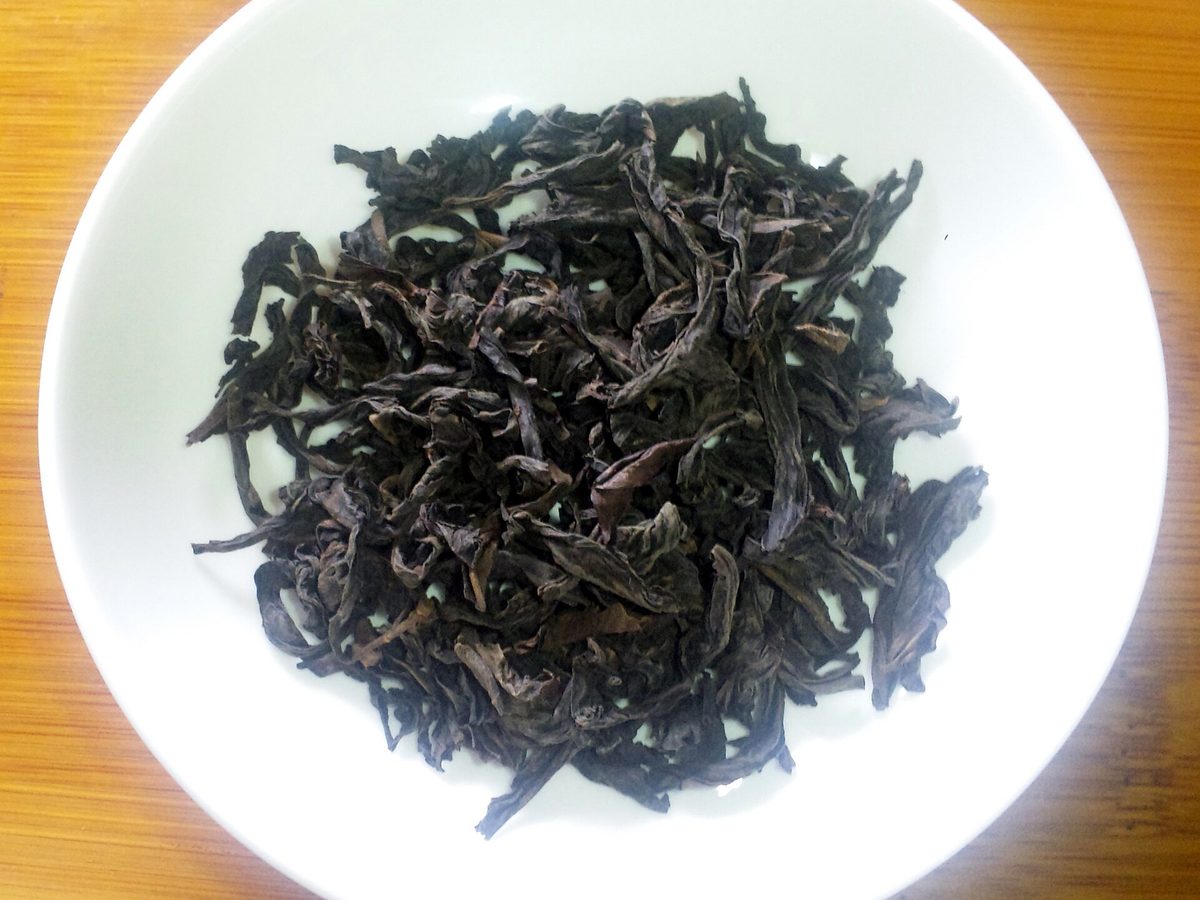
Rou Gui is a popular Wuyi rock tea named for the Chinese cassia spice tree.
Flavor Profile
What does Rou Gui taste like?
Expect Spicy · Roasted · Mineral — the bars rank each note's relative intensity, strongest first.
Bar length reflects the relative prominence of each flavor note (dominant first), not a laboratory measurement.
Origin
Fujian (Wuyi), China
Rou Gui has grown in the Wuyi mountains for centuries and is now one of the most sought-after yancha cultivars.
Where tea cultivation began; home to green, yellow, white, oolong, black, and dark styles across many provinces.
Brewing Guide
How to Brew Rou Gui
Brewing parameters are a starting point and can be adjusted to taste.
Caffeine
Caffeine in Rou Gui
Typical brewed serving
Rou Gui is a medium-caffeine oolong tea. A typical brewed serving contains about 30–50 mg of caffeine.
Values can vary depending on quantity, brewing time, serving size, and preparation method. Range assumes this tea's standard parameters: 3 g leaf to 250 ml water, steeped 1–2 min. Estimates, not lab measurements — see our sources & method.
Fit
Who is Rou Gui for?
Experienced drinkers
Better once you've explored a few teas — it rewards a little brewing attention.
When to drink it
Comfortable at any time of day.
Flavor direction
Full-bodied, leads with spicy notes — a oolong tea with spicy, roasted, mineral character.
Keep Exploring
If you like Rou Gui

Side by Side
Want to see how Rou Gui compares?
Put Rou Gui next to Da Hong Pao and compare flavor, origin, caffeine, and brewing side by side.
The story of Rou Gui
Aroma arrives before the first sip. Rou Gui, named for the Chinese cassia tree, opens with a sweet-spicy signature — cinnamon bark and toasted grain — that no other Wuyi rock tea quite matches. Under that perfume sits the darker architecture of the region: mineral depth, dried fruit, and the warming, smooth finish that a high roast builds over many firings. It has grown in the Wuyi mountains for centuries and is now among the most sought-after yancha cultivars, largely because that spice character is so recognizable.
It is a tea that asks for hot water and short steeps. Use 3 grams per 250 ml at 95–100°C, infuse for just one to two minutes, and plan on three to six rounds — the roast holds steady while the fruit and spice shift shape from cup to cup. This is not the gentlest introduction to rock tea, and it does not pretend to be. But if you want to understand why Wuyi drinkers obsess over roast and cultivar, a well-made Rou Gui is the most direct route in.
FAQ
Rou Gui Tea FAQ
Quick answers about Rou Gui tea, drawn from its flavor, origin, caffeine, and brewing profile.
What is Rou Gui tea?
Rou Gui is a Oolong Tea from Fujian (Wuyi). It is also known as Cassia.
Does Rou Gui tea have caffeine?
Yes. Rou Gui is a medium-caffeine tea, typically 30–50 mg per brewed serving.
What does Rou Gui tea taste like?
Rou Gui is known for a profile led by Spicy, Roasted, and Mineral, with a strong body.
How do you brew Rou Gui tea?
Use about 3 g of tea per 250 ml of water at 95–100°C, steeping for 1–2 minutes. It can be re-steeped 3–6 times.
Is Rou Gui tea bitter?
Bitterness is not a defining note of Rou Gui; its profile centers on Spicy, Roasted, and Mineral.