Botanical Dossier
Matcha vs Sencha
Matcha
Green Tea · Japan
Umami · Creamy · Sweet
Sencha
Green Tea · Japan
Grassy · Fresh · Vegetal
| Attribute | Matcha | Sencha |
|---|---|---|
| Type | Green Tea | Green Tea |
| Origin | Japan | Japan |
| Region | Uji | Shizuoka |
| Flavor | Umami · Creamy · Sweet | Grassy · Fresh · Vegetal |
| Body | Medium | Light |
| Caffeine | High (~50–80 mg = 71–114 mg/100 ml) | Medium (~15–35 mg = 6–14 mg/100 ml) |
| Oxidation | None | None |
| Roast | None | None |
| Brewing temp | 70–80°C | 70–80°C |
| Steep time | Whisk until frothy | 1–2 min |
| Re-steep | Whisk until frothy | 2–3 times |
Sensory Dissection
Flavor
Matcha
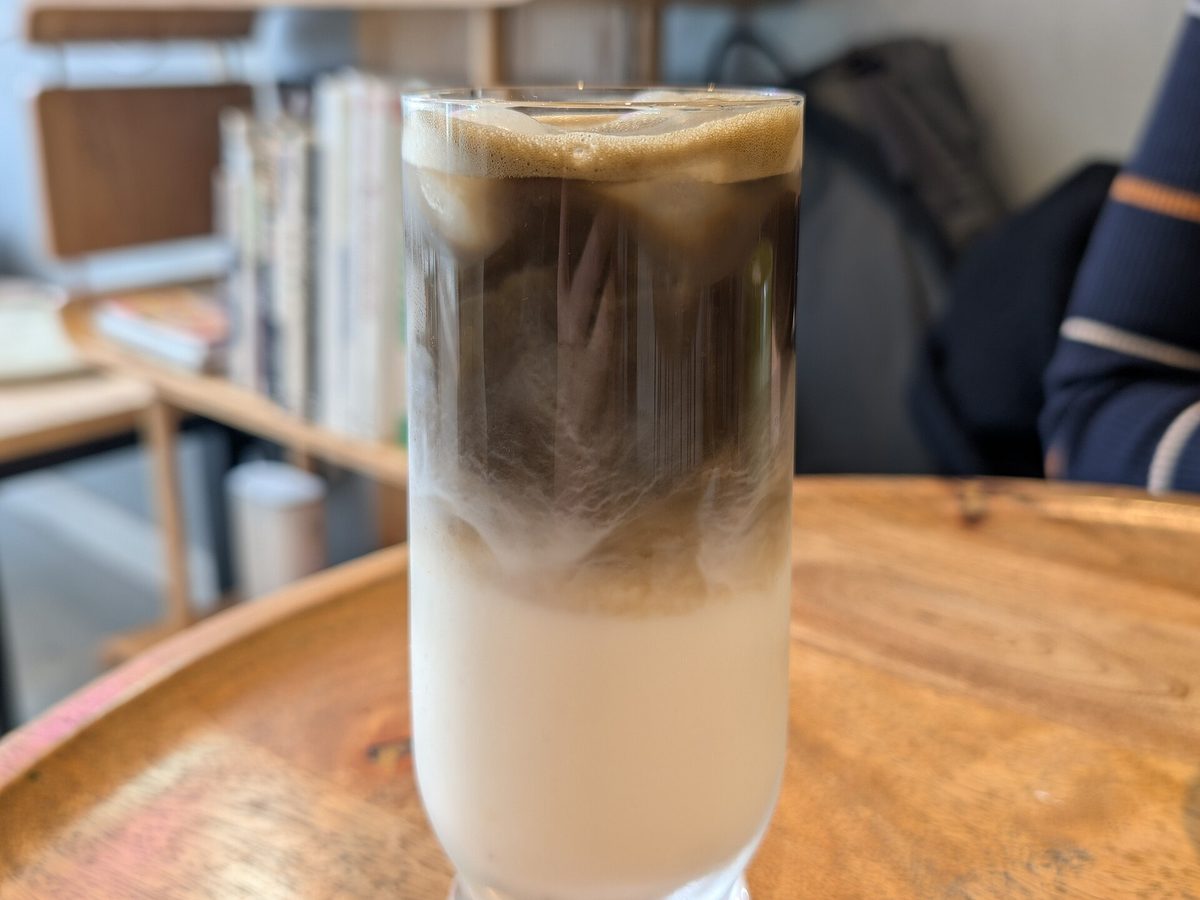
Matcha is shade-grown tea ground into a fine powder, so you consume the whole leaf. Whisked with water, it produces a creamy, vivid green cup with rich umami, natural sweetness, and a soft vegetal edge. Quality ranges from everyday usucha to thick, intense koicha. Because nothing is strained out, the body is fuller than any steeped green tea.
Sencha
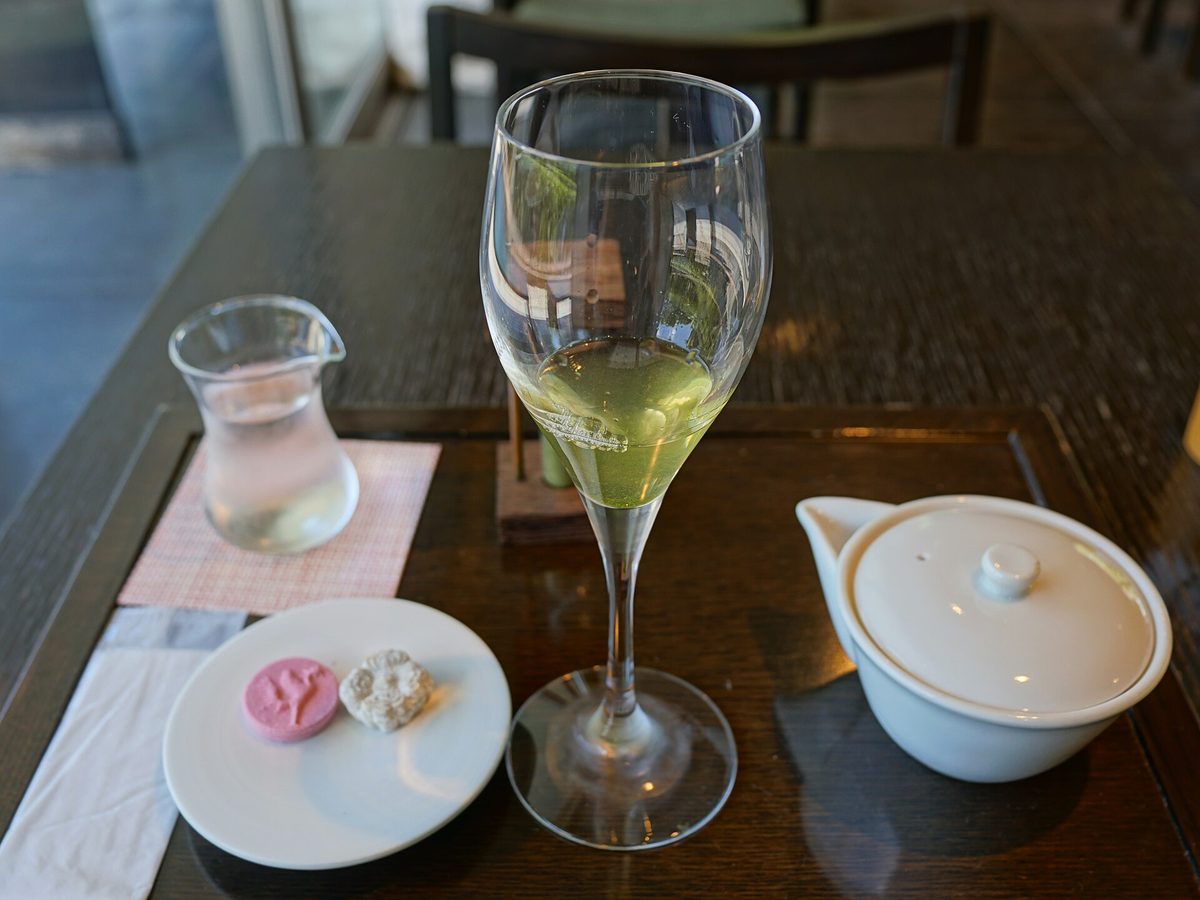
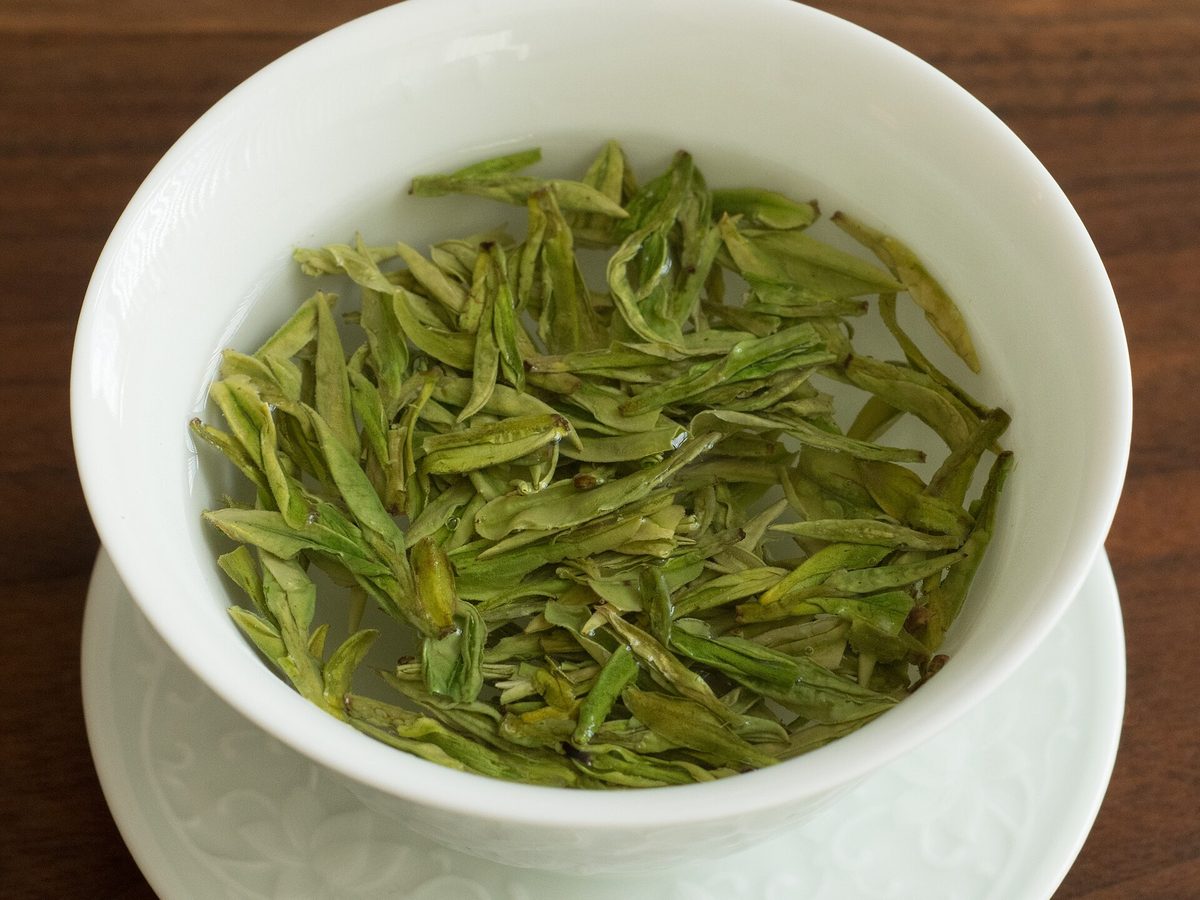
Sencha is Japan's everyday green tea, made by steaming the leaves to lock in a vivid green color. The cup is fresh and grassy with a pleasant vegetal depth, a gentle sweetness, and a clean, slightly brisk finish. Higher grades from the first harvest (shincha) add a softer, more umami-rich body. It pairs naturally with food and handles a second steeping well.
Preparation Protocol
Brewing
Matcha
- Water temperature
- 70–80°C
- Leaf to water
- 2g / 70ml
- Steep time
- Whisk until frothy
- Re-steep
- Whisk until frothy
Sencha
- Water temperature
- 70–80°C
- Leaf to water
- 3g / 250ml
- Steep time
- 1–2 min
- Re-steep
- 2–3 times
Biochemistry
Caffeine
Matcha
High caffeine — roughly 50–80 mg per brewed serving (71–114 mg/100 ml)
A noticeable lift — best earlier in the day.
Sencha
Medium caffeine — roughly 15–35 mg per brewed serving (6–14 mg/100 ml)
A moderate, steady lift without an intense spike.
Craft & Microclimate
Origin
Matcha
Japan · Uji
Uji and Nishio (Aichi) produce most of Japan's ceremonial-grade matcha.
Sencha
Japan · Shizuoka
Shizuoka is Japan's largest tea-producing region, with Uji and Kagoshima also famous for sencha.
Curator's Recommendation
Which one might you prefer?
There is no superior tea here — only distinct sensory journeys. Use your flavor memory and current mood to choose.
Choose Matcha if you like:
- Umami
- Creamy
- Sweet
Choose Sencha if you like:
- Grassy
- Fresh
- Vegetal
Matcha vs Sencha: FAQ
Which has more caffeine, Matcha or Sencha?
Matcha is about 50–80 mg per typical serving, Sencha about 15–35 mg — so Matcha sits higher on average. Brewing strength can shift either cup.
What is the main difference between Matcha and Sencha?
Matcha is a Green Tea from Japan, led by Umami · Creamy. Sencha is a Green Tea from Japan, led by Grassy · Fresh.
Should I choose Matcha or Sencha?
It depends on your taste and the moment — see the brewing comparison and recommendation above, then try both and compare your own cups.
Keep Exploring
Related teas to explore
Similar teas from both sides of this comparison.