Hojicha Tea
Hojicha is roasted green tea, usually made from bancha or sencha leaves toasted at high heat.
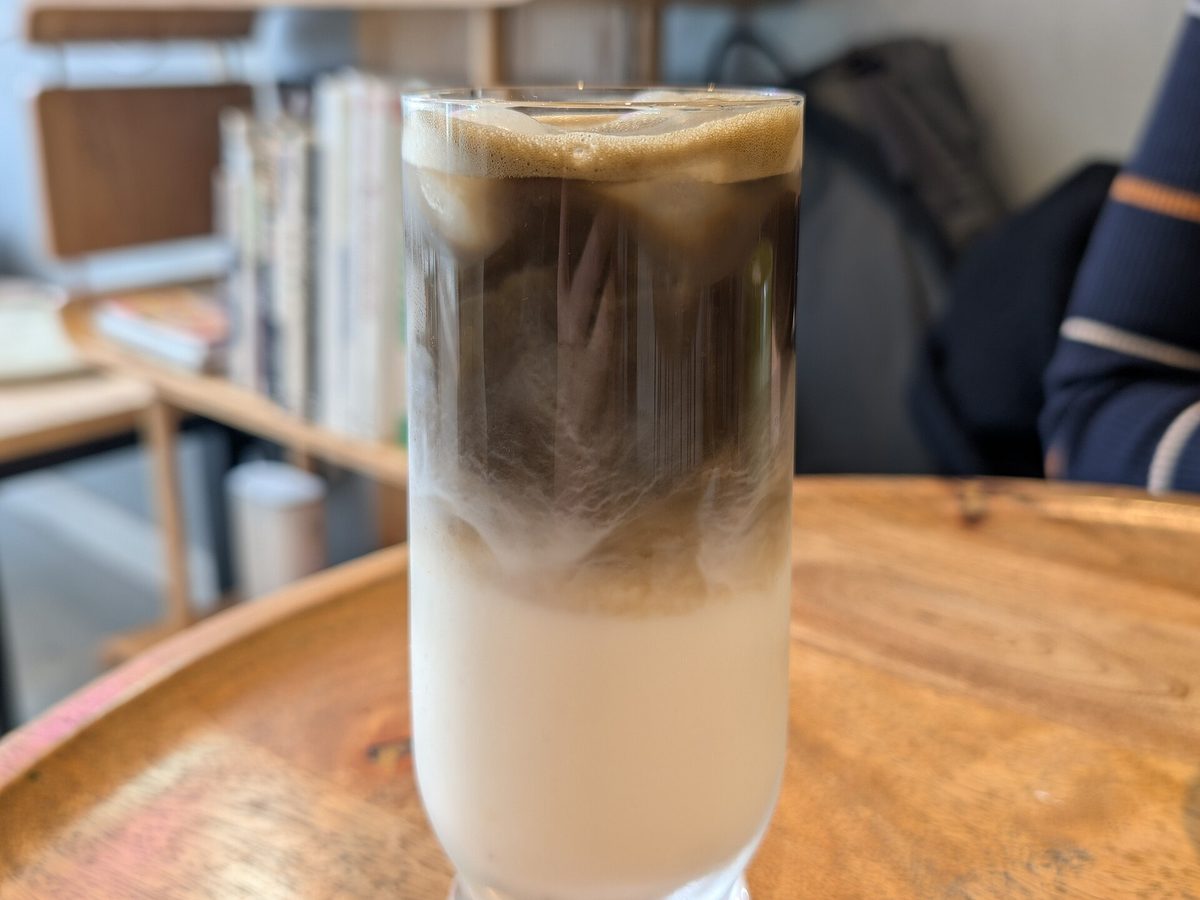
Flavor Profile
What does Hojicha taste like?
Expect Roasted · Nutty · Smooth — the bars rank each note's relative intensity, strongest first.
Bar length reflects the relative prominence of each flavor note (dominant first), not a laboratory measurement.
Origin
Kyoto, Japan
Hojicha is a roasted green tea, strongly associated with Kyoto and the Uji tea region; roasting lowers its caffeine and gives it a toasty, caramelized character.
Known for steamed green teas, shade-grown umami, and powdered matcha.
Brewing Guide
How to Brew Hojicha
Brewing parameters are a starting point and can be adjusted to taste.
Caffeine
Caffeine in Hojicha
Typical brewed serving
Hojicha is a low-caffeine green tea. A typical brewed serving contains about 8–30 mg of caffeine.
Values can vary depending on quantity, brewing time, serving size, and preparation method. Range assumes this tea's standard parameters: 3 g leaf to 250 ml water, steeped 1–2 min. Estimates, not lab measurements — see our sources & method.
Fit
Who is Hojicha for?
New to tea?
A friendly starting point — forgiving to brew and easy to enjoy on the first cup.
When to drink it
Gentle enough for late afternoons and evenings.
Flavor direction
Light-bodied, leads with roasted notes — a green tea with roasted, nutty, smooth character.
Keep Exploring
If you like Hojicha
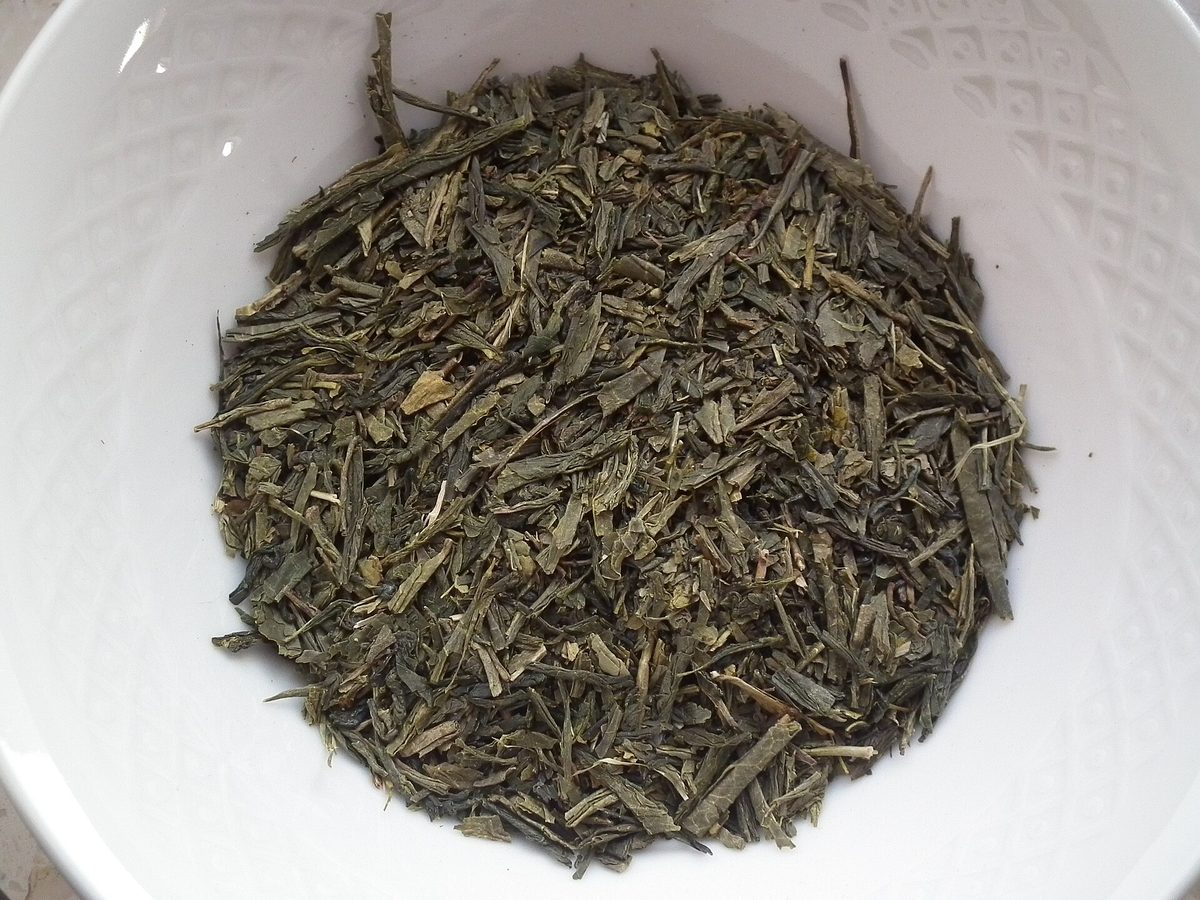
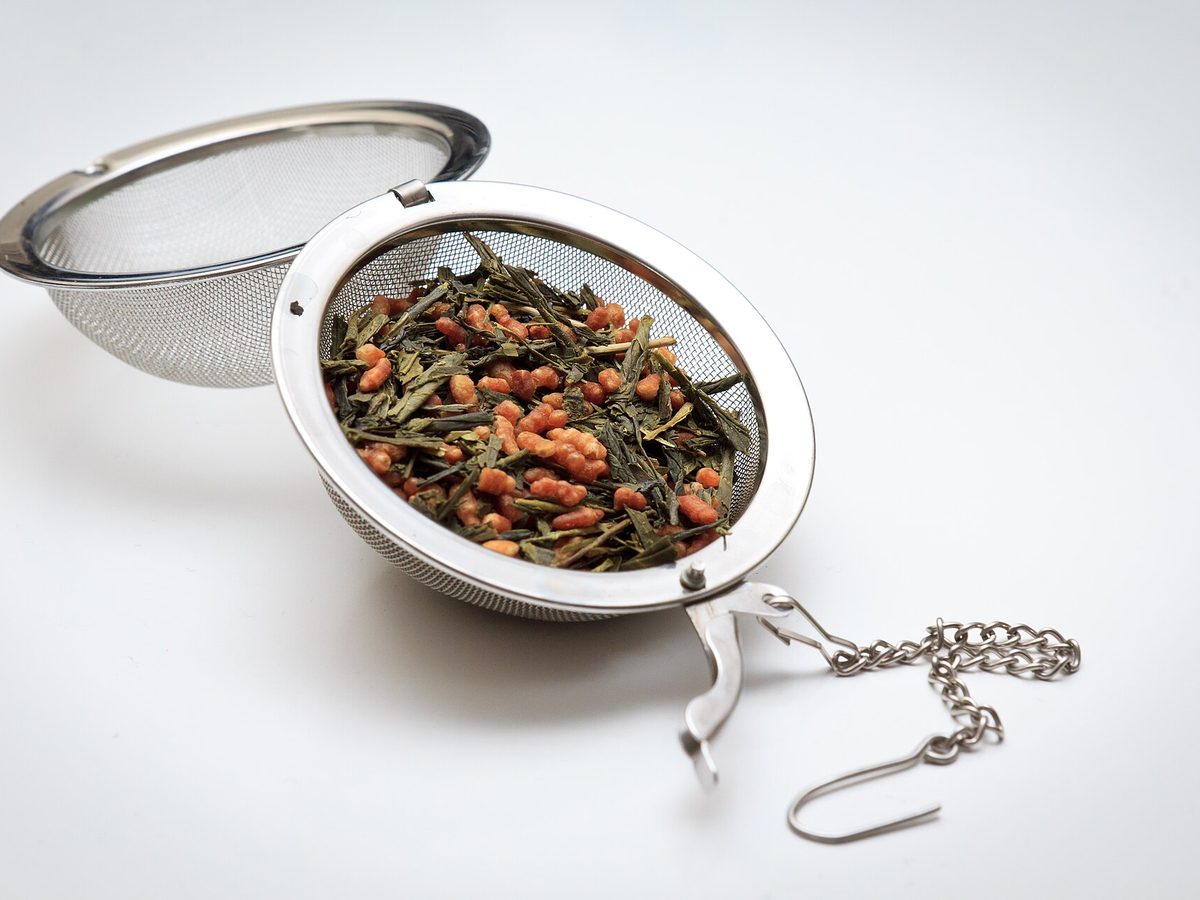
Side by Side
Want to see how Hojicha compares?
Put Hojicha next to Sencha and compare flavor, origin, caffeine, and brewing side by side.
The story of Hojicha
Hojicha answers a practical question Japanese tea drinkers have asked for centuries: what to do with the tougher, more mature leaves that make poor sencha? The answer is high-heat roasting. Bancha — the coarse second-flush leaf — or sometimes ordinary sencha is tossed in a hot roaster at far higher temperatures than any other green tea process, until the leaves turn a uniform reddish brown. The Maillard reaction during roasting converts harsh catechins into caramelized, nutty sweetness and drives off most of the caffeine, which is why hojicha sits at roughly 8 to 30 mg per cup, among the lowest of any tea.
The style is strongly associated with Kyoto and the Uji region, though it is produced across Japan. Roasting is also a way to give older leaf stock a second life, so hojicha varies: bancha-based versions are toasty and grain-like, while hojicha made from sencha retains more of a green, vegetal undertone. Kukicha-style hojicha uses stems and twigs for an even woodier cup.
Brewing is forgiving to a fault — hojicha is one of the few teas that tolerates near-boiling water and long steeps without turning bitter, and the fact card's 80–90°C range is a comfortable guideline rather than a rule. It is the default evening tea in Japan, and the everyday choice for children and for serving guests in generous pots. Store it dry and sealed, but don't baby it: roasting makes hojicha far more stable than delicate spring greens.
FAQ
Hojicha Tea FAQ
Quick answers about Hojicha tea, drawn from its flavor, origin, caffeine, and brewing profile.
What is Hojicha tea?
Hojicha is a Green Tea from Kyoto.
Does Hojicha tea have caffeine?
Yes. Hojicha is a low-caffeine tea, typically 8–30 mg per brewed serving.
What does Hojicha tea taste like?
Hojicha is known for a profile led by Roasted, Nutty, and Smooth, with a light body.
How do you brew Hojicha tea?
Use about 3 g of tea per 250 ml of water at 80–90°C, steeping for 1–2 minutes. It can be re-steeped 1–2 times.
Is Hojicha tea bitter?
Bitterness is not a defining note of Hojicha; its profile centers on Roasted, Nutty, and Smooth.