Sencha Tea
Sencha is Japan's everyday green tea, made by steaming the leaves to lock in a vivid green color.
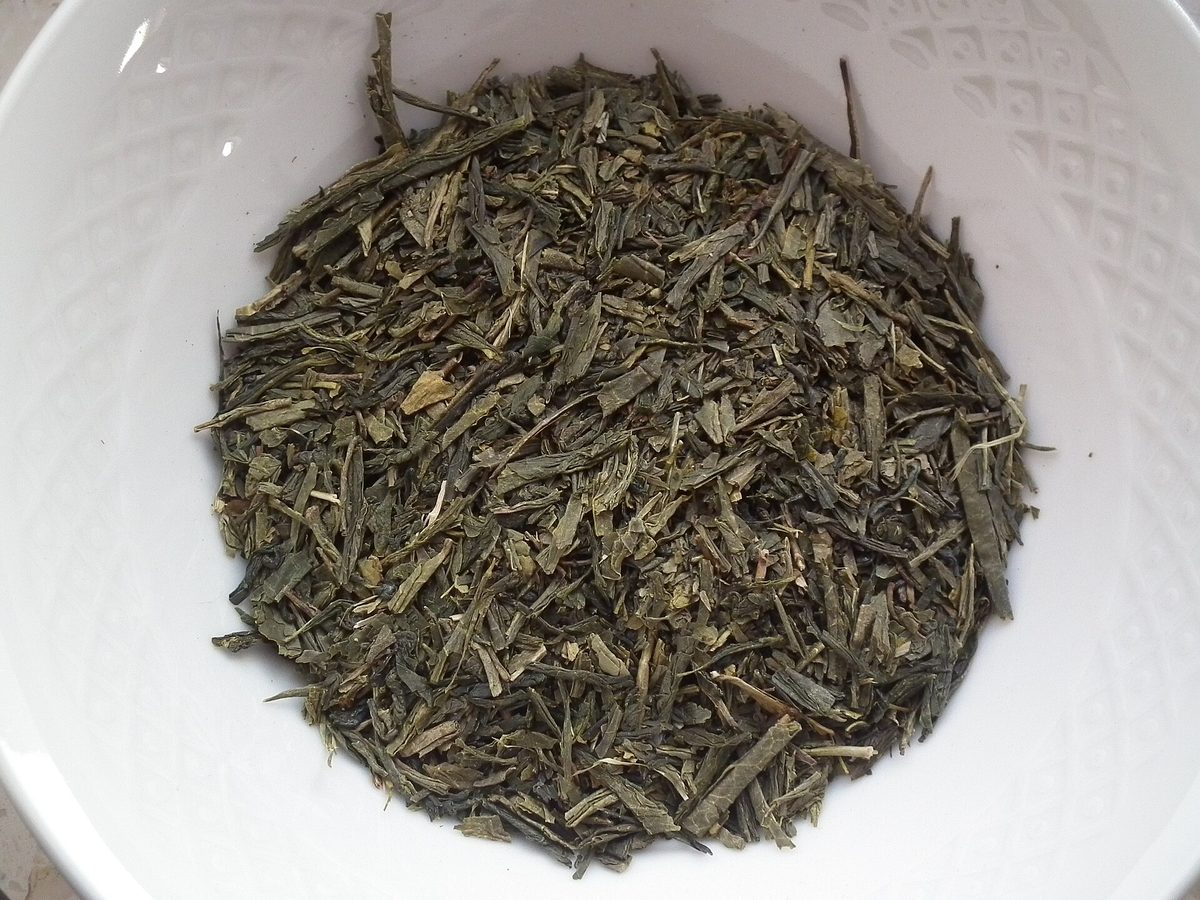
Flavor Profile
What does Sencha taste like?
Expect Grassy · Fresh · Vegetal — the bars rank each note's relative intensity, strongest first.
Bar length reflects the relative prominence of each flavor note (dominant first), not a laboratory measurement.
Origin
Shizuoka, Japan
Shizuoka is Japan's largest tea-producing region, with Uji and Kagoshima also famous for sencha.
Known for steamed green teas, shade-grown umami, and powdered matcha.
Brewing Guide
How to Brew Sencha
Brewing parameters are a starting point and can be adjusted to taste.
Caffeine
Caffeine in Sencha
Typical brewed serving
Sencha is a medium-caffeine green tea. A typical brewed serving contains about 15–35 mg of caffeine.
Values can vary depending on quantity, brewing time, serving size, and preparation method. Range assumes this tea's standard parameters: 3 g leaf to 250 ml water, steeped 1–2 min. Estimates, not lab measurements — see our sources & method.
Fit
Who is Sencha for?
New to tea?
A friendly starting point — forgiving to brew and easy to enjoy on the first cup.
When to drink it
Comfortable at any time of day.
Flavor direction
Light-bodied, leads with grassy notes — a green tea with grassy, fresh, vegetal character.
Keep Exploring
If you like Sencha
Side by Side
Want to see how Sencha compares?
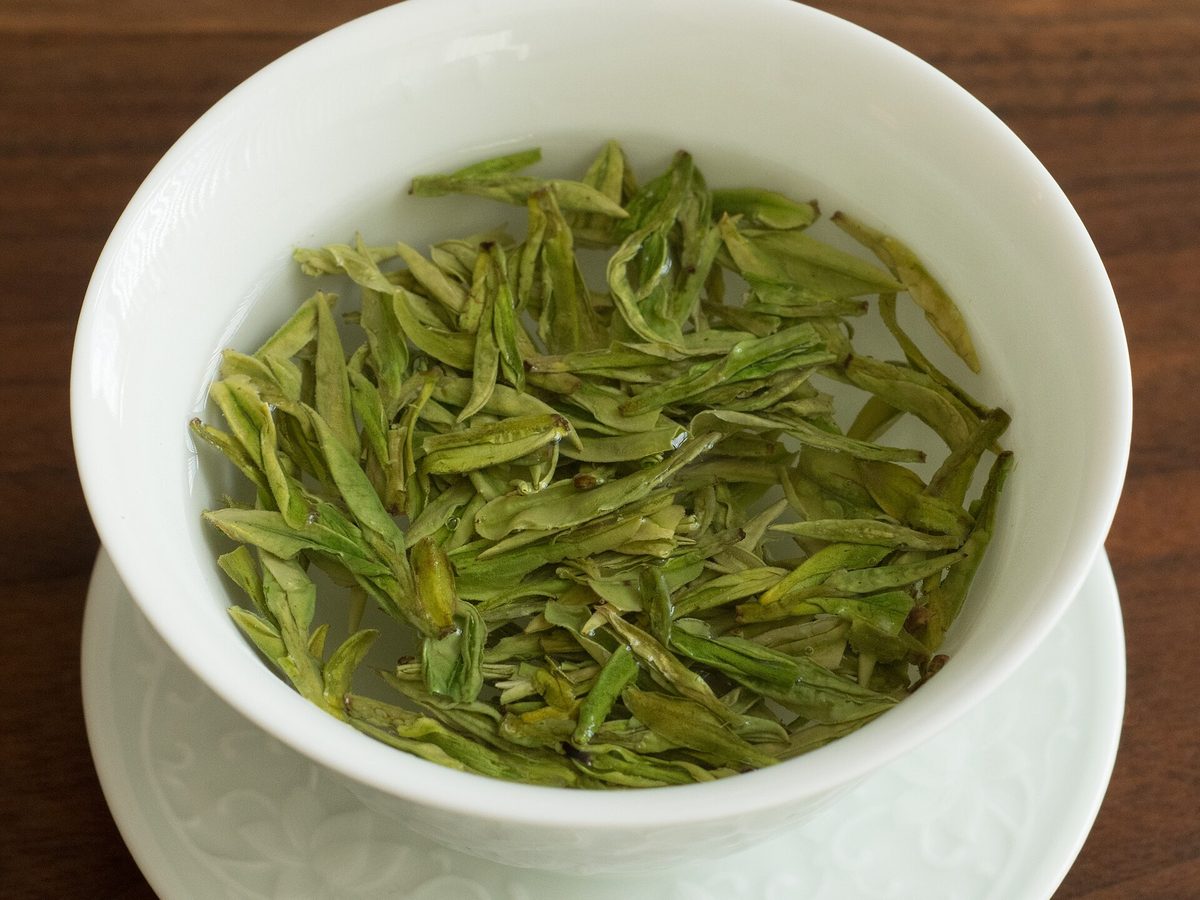
Put Sencha next to Longjing and compare flavor, origin, caffeine, and brewing side by side.
The story of Sencha
Sencha anchors Japanese tea culture the way breakfast tea does in Britain — it is what most Japanese households actually drink daily. Its defining step is steaming: fresh leaves are steamed within hours of picking to kill the enzymes that would otherwise darken them, which is why sencha brews vivid green and tastes grassy rather than roasted. The steaming duration splits sencha into asamushi (light), chumushi (medium), and fukamushi (deep) styles; deep-steamed sencha from Shizuoka breaks into fine particles and brews a cloudier, richer, more umami-forward cup.
The harvest calendar matters. Shincha, the first flush of spring, is prized for its tenderness and depth, while later pickings are bolder and more astringent. Within a picking, leaf position also counts — upper leaves are younger and sweeter, lower leaves become everyday-grade sencha. When shopping, Shizuoka is the safe reference point, but Uji sencha tends toward refinement and Kagoshima toward power.
A common Western mistake is brewing sencha like a Chinese green with boiling water, which produces a harsh, bitter cup. Stay in the 70–80°C range and steep only one to two minutes, especially for higher grades. The leaves hold up well to two or three short infusions, and the spent leaves themselves are edible — a traditional finishing touch after the last pour.
FAQ
Sencha Tea FAQ
Quick answers about Sencha tea, drawn from its flavor, origin, caffeine, and brewing profile.
What is Sencha tea?
Sencha is a Green Tea from Shizuoka.
Does Sencha tea have caffeine?
Yes. Sencha is a medium-caffeine tea, typically 15–35 mg per brewed serving.
What does Sencha tea taste like?
Sencha is known for a profile led by Grassy, Fresh, and Vegetal, with a light body.
How do you brew Sencha tea?
Use about 3 g of tea per 250 ml of water at 70–80°C, steeping for 1–2 minutes. It can be re-steeped 2–3 times.
Is Sencha tea bitter?
Bitterness is not a defining note of Sencha; its profile centers on Grassy, Fresh, and Vegetal.