Longjing Tea
Dragon Well
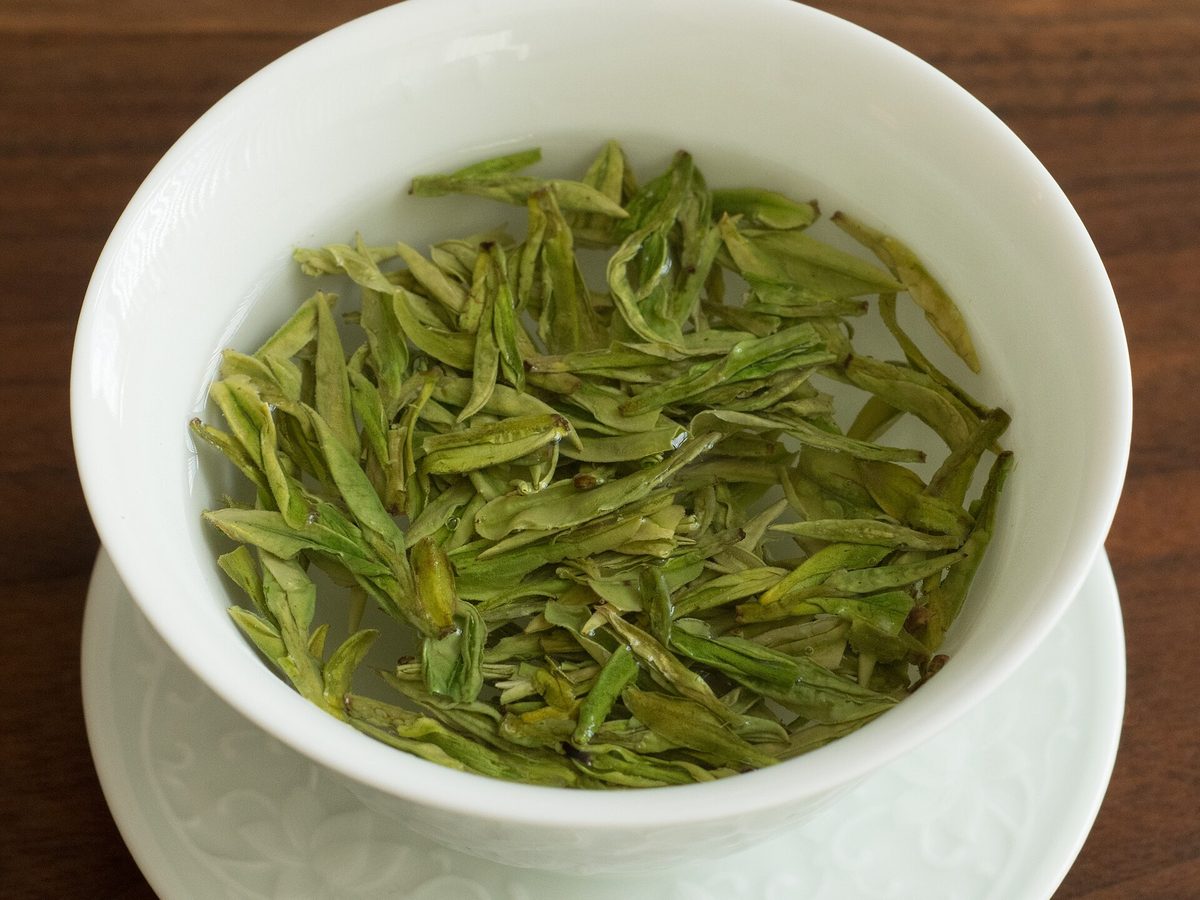
Longjing is China's best-known green tea, prized for a fresh, nutty character with a gentle sweetness and a clean finish.
Flavor Profile
What does Longjing taste like?
Expect Fresh · Smooth · Nutty — the bars rank each note's relative intensity, strongest first.
Bar length reflects the relative prominence of each flavor note (dominant first), not a laboratory measurement.
Origin
Zhejiang, China
Longjing is traditionally associated with the West Lake area of Hangzhou in Zhejiang province, one of China's most storied green tea regions.
Where tea cultivation began; home to green, yellow, white, oolong, black, and dark styles across many provinces.
Brewing Guide
How to Brew Longjing
Brewing parameters are a starting point and can be adjusted to taste.
Caffeine
Caffeine in Longjing
Typical brewed serving
Longjing is a medium-caffeine green tea. A typical brewed serving contains about 20–45 mg of caffeine.
Values can vary depending on quantity, brewing time, serving size, and preparation method. Range assumes this tea's standard parameters: 3 g leaf to 250 ml water, steeped 2–3 min. Estimates, not lab measurements — see our sources & method.
Fit
Who is Longjing for?
New to tea?
A friendly starting point — forgiving to brew and easy to enjoy on the first cup.
When to drink it
Comfortable at any time of day.
Flavor direction
Light-bodied, leads with fresh notes — a green tea with fresh, smooth, nutty character.
Keep Exploring
If you like Longjing
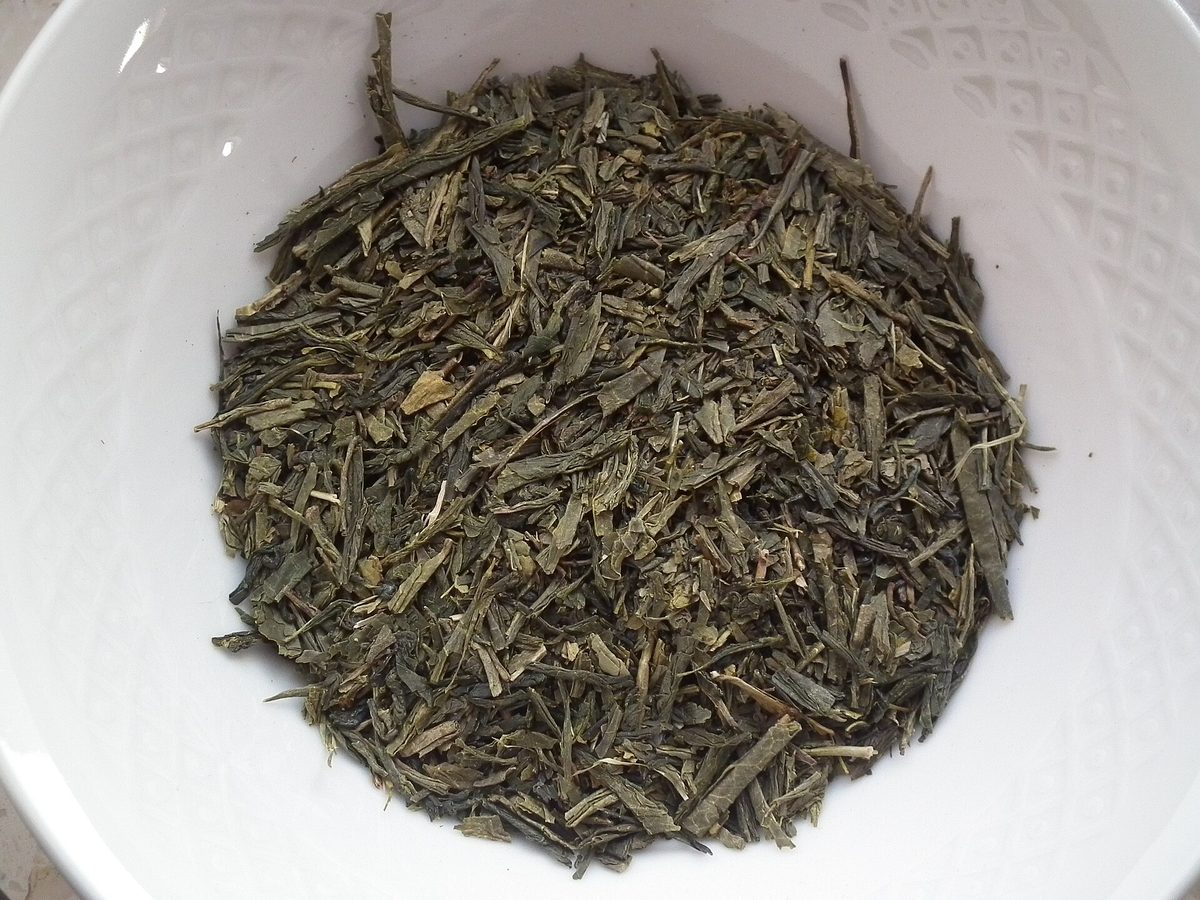
Side by Side
Want to see how Longjing compares?
Put Longjing next to Sencha and compare flavor, origin, caffeine, and brewing side by side.
The story of Longjing
Longjing is one of the oldest named teas in China, and its prestige rests on a production method that has barely changed: leaves are pan-fired by hand in large woks, a technique called shaqing that both halts oxidation and develops the toasted, chestnut-like aroma the tea is famous for. Skilled firers judge the heat by hand, tossing the leaves against the hot metal to press them into the signature flat, sword-like shape. Machine-fired Longjing exists and is fine for daily drinking, but hand-made lots remain the benchmark for competitions and collectors.
Grades matter here more than with most greens. West Lake (Xihu) Longjing commands the highest prices, and within it, teas picked before the Qingming festival are the most coveted. Pre-rain teas are followed by slightly later, more affordable lots that still carry the nutty sweetness if stored well. When buying, look for flat, even leaves with a yellowish-green cast rather than a vivid emerald — overly bright, uniform leaves often signal a lesser origin dressed up as Hangzhou tea.
Store Longjing like any delicate green: airtight, away from light, and ideally refrigerated. Its window of peak freshness is short, so buy smaller quantities. Brew around 80–85°C for two to three minutes; hotter water pulls bitterness and flattens the chestnut note. Good leaves resteep two or three times, revealing a softer, sweeter cup each round.
FAQ
Longjing Tea FAQ
Quick answers about Longjing tea, drawn from its flavor, origin, caffeine, and brewing profile.
What is Longjing tea?
Longjing is a Green Tea from Zhejiang. It is also known as Dragon Well.
Does Longjing tea have caffeine?
Yes. Longjing is a medium-caffeine tea, typically 20–45 mg per brewed serving.
What does Longjing tea taste like?
Longjing is known for a profile led by Fresh, Smooth, and Nutty, with a light body.
How do you brew Longjing tea?
Use about 3 g of tea per 250 ml of water at 80–85°C, steeping for 2–3 minutes. It can be re-steeped 2–3 times.
Is Longjing tea bitter?
Bitterness is not a defining note of Longjing; its profile centers on Fresh, Smooth, and Nutty.