Gyokuro Tea
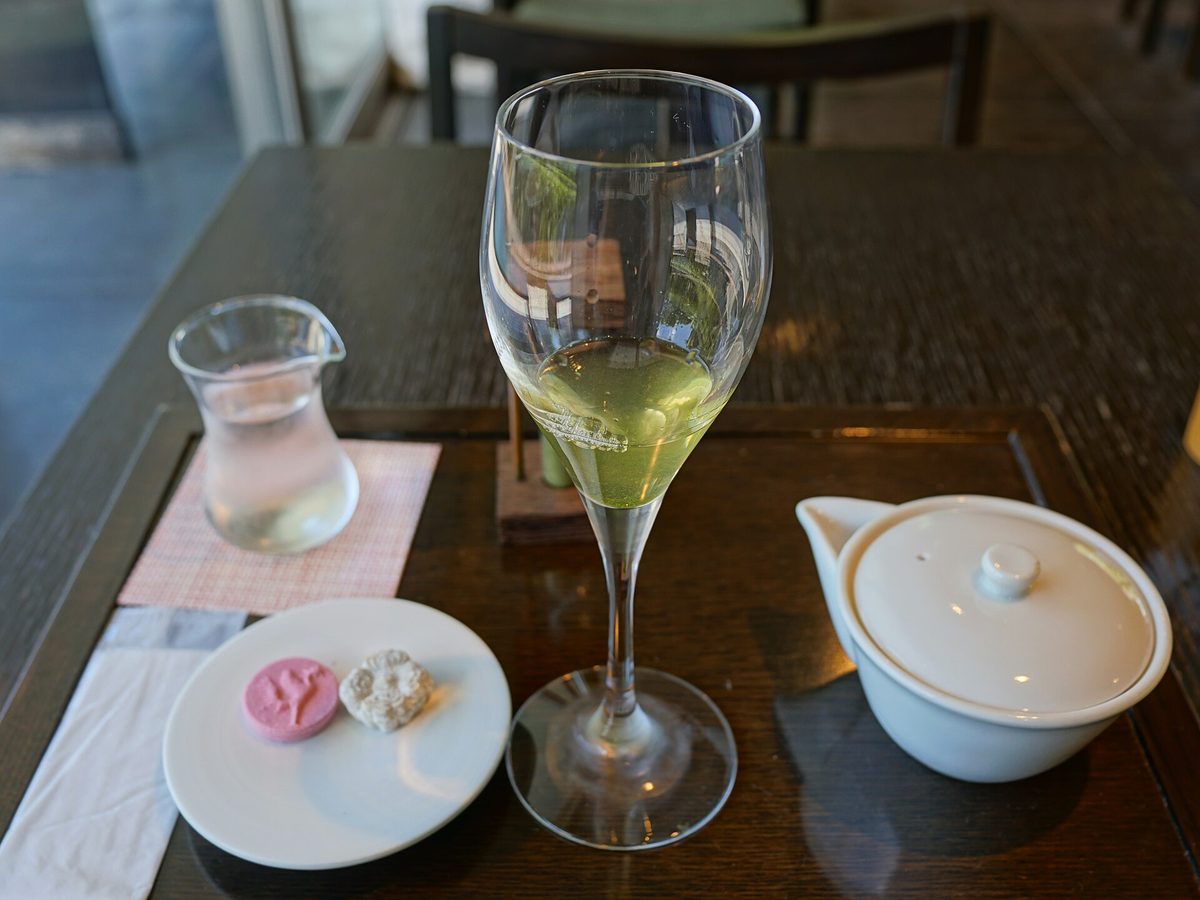
Gyokuro is shade-grown for several weeks before harvest, pushing the plant toward deep umami and a jade-green infusion.
Flavor Profile
What does Gyokuro taste like?
Expect Umami · Sweet · Vegetal — the bars rank each note's relative intensity, strongest first.
Bar length reflects the relative prominence of each flavor note (dominant first), not a laboratory measurement.
Origin
Uji, Japan
Uji, near Kyoto, is the historic home of gyokuro and Japan's shaded-tea tradition.
Known for steamed green teas, shade-grown umami, and powdered matcha.
Brewing Guide
How to Brew Gyokuro
Brewing parameters are a starting point and can be adjusted to taste.
Caffeine
Caffeine in Gyokuro
Typical brewed serving
Gyokuro is a high-caffeine green tea. A typical brewed serving contains about 60–120 mg of caffeine.
Values can vary depending on quantity, brewing time, serving size, and preparation method. Range assumes this tea's standard parameters: 3 g leaf to 100 ml water, steeped 1–2 min. Estimates, not lab measurements — see our sources & method.
Fit
Who is Gyokuro for?
Experienced drinkers
Better once you've explored a few teas — it rewards a little brewing attention.
When to drink it
A proper lift — most at home in the morning.
Flavor direction
Medium-bodied, leads with umami notes — a green tea with umami, sweet, vegetal character.
Keep Exploring
If you like Gyokuro
Side by Side
Want to see how Gyokuro compares?
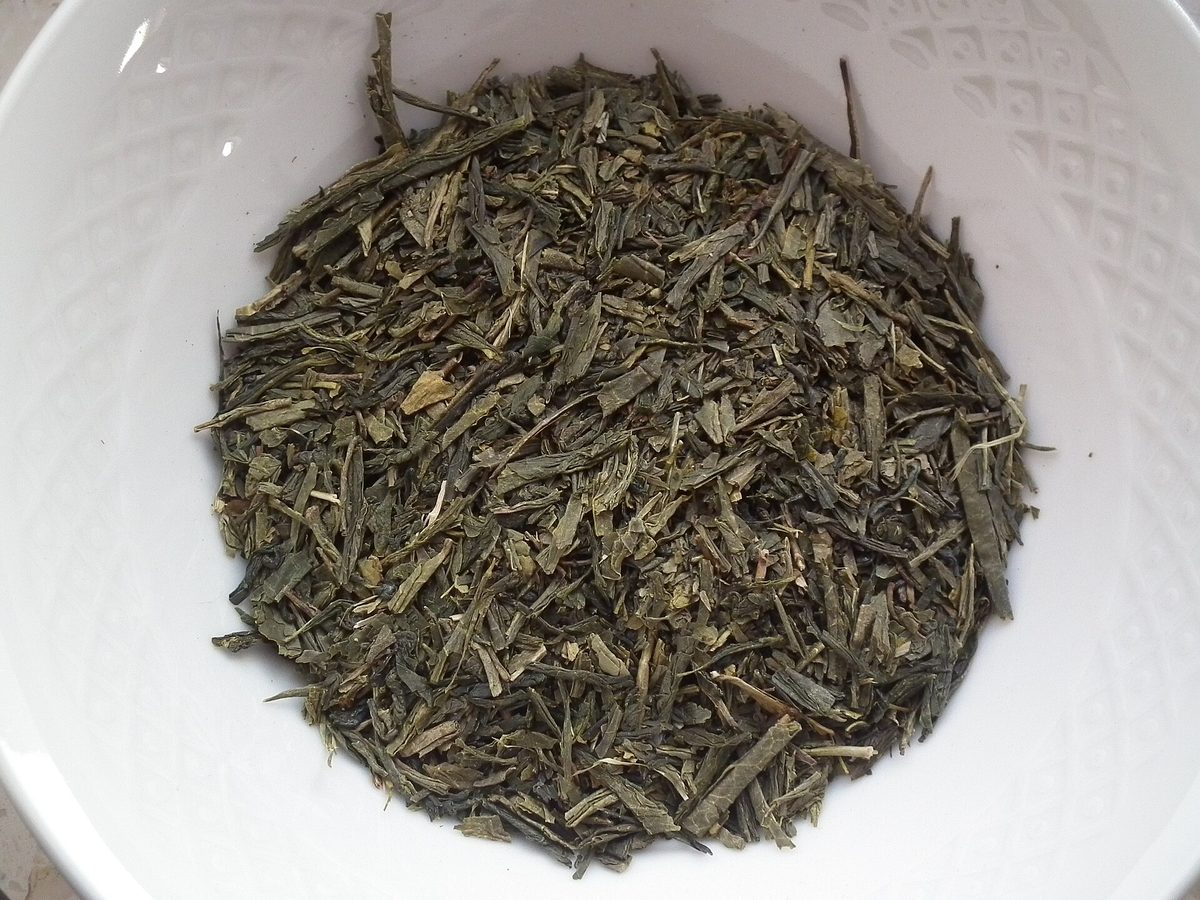
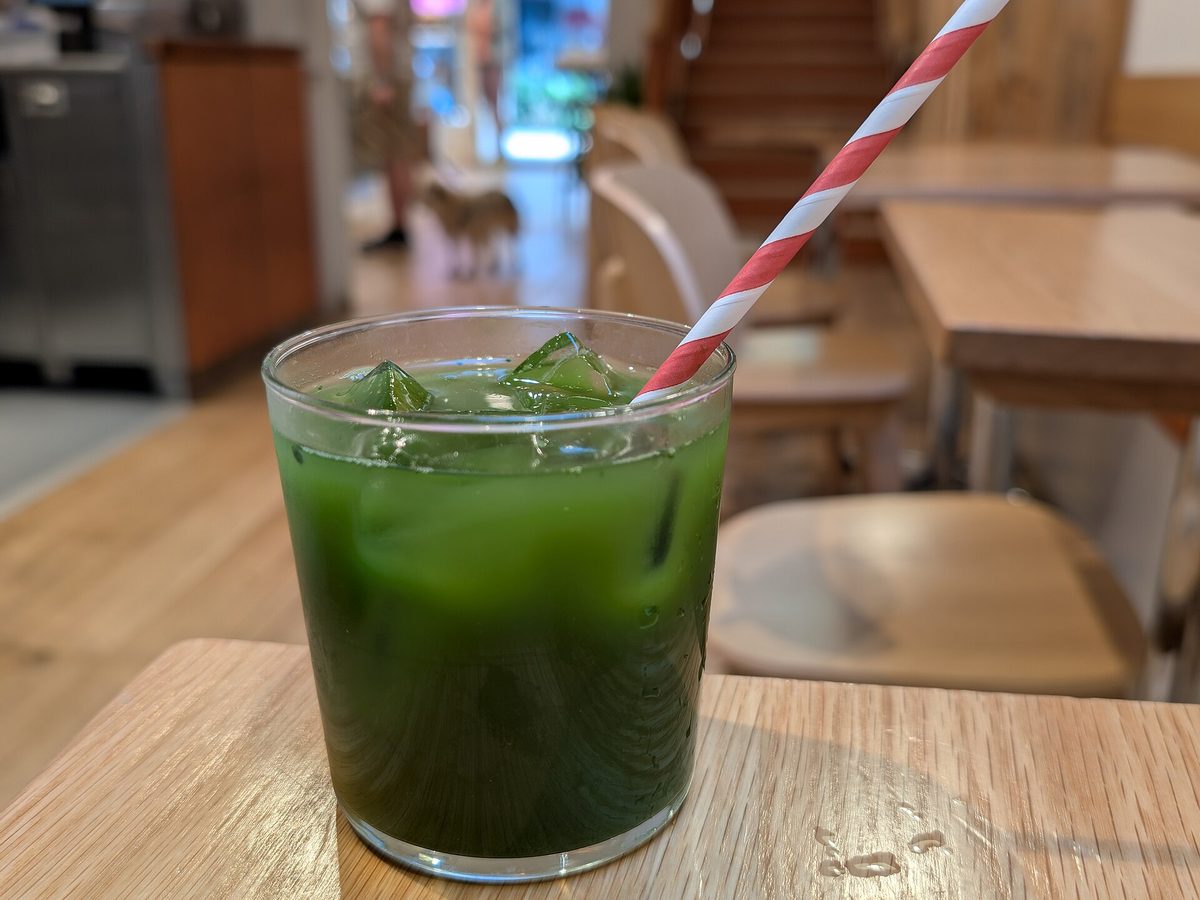
Put Gyokuro next to Sencha and compare flavor, origin, caffeine, and brewing side by side.
The story of Gyokuro
Gyokuro, meaning 'jade dew,' is Japan's most labor-intensive green tea and the pinnacle of its shaded-leaf tradition. Growers cover the tea rows with reed screens or black netting for around 20 days before harvest, blocking most sunlight. The plant responds by stretching its leaves searching for light, accumulating chlorophyll for color and theanine for the savory depth that defines the style. Harvested leaves become tencha, and only tencha of sufficient grade is ground into matcha — so gyokuro and fine matcha are siblings sharing the same field practice.
The brewing is counterintuitive and crucial: cool water, around 50–60°C, in a concentrated ratio — the fact card suggests roughly 3 grams in just 100 ml, steeped one to two minutes. Hot water extracts the caffeine and catechins faster than the sweetness, so gyokuro brewed like sencha turns punishingly bitter. Brewed cool and strong, the cup is thick, almost broth-like, with an umami that drinkers honestly compare to light dashi. Gyokuro carries roughly 60 to 120 mg of caffeine per cup, the highest in this set, because of the shade and the long leaf contact.
It is expensive, and counterfeit 'gyokuro' is common. Genuine lots come almost entirely from Uji and surrounding Kyoto prefecture. Store it cold and sealed, brew the first infusion slow and cool, then enjoy a second, slightly warmer steep from the same leaves.
FAQ
Gyokuro Tea FAQ
Quick answers about Gyokuro tea, drawn from its flavor, origin, caffeine, and brewing profile.
What is Gyokuro tea?
Gyokuro is a Green Tea from Uji.
Does Gyokuro tea have caffeine?
Yes. Gyokuro is a high-caffeine tea, typically 60–120 mg per brewed serving.
What does Gyokuro tea taste like?
Gyokuro is known for a profile led by Umami, Sweet, and Vegetal, with a medium body.
How do you brew Gyokuro tea?
Use about 3 g of tea per 100 ml of water at 50–60°C, steeping for 1–2 minutes. It can be re-steeped 2–3 times.
Is Gyokuro tea bitter?
Bitterness is not a defining note of Gyokuro; its profile centers on Umami, Sweet, and Vegetal.