Botanical Dossier
Longjing vs Matcha
Longjing
Green Tea · China
Fresh · Smooth · Nutty
Matcha
Green Tea · Japan
Umami · Creamy · Sweet
| Attribute | Longjing | Matcha |
|---|---|---|
| Type | Green Tea | Green Tea |
| Origin | China | Japan |
| Region | Zhejiang | Uji |
| Flavor | Fresh · Smooth · Nutty | Umami · Creamy · Sweet |
| Body | Light | Medium |
| Caffeine | Medium (~20–45 mg = 8–18 mg/100 ml) | High (~50–80 mg = 71–114 mg/100 ml) |
| Oxidation | Low | None |
| Roast | Low | None |
| Brewing temp | 80–85°C | 70–80°C |
| Steep time | 2–3 min | Whisk until frothy |
| Re-steep | 2–3 times | Whisk until frothy |
Sensory Dissection
Flavor
Longjing
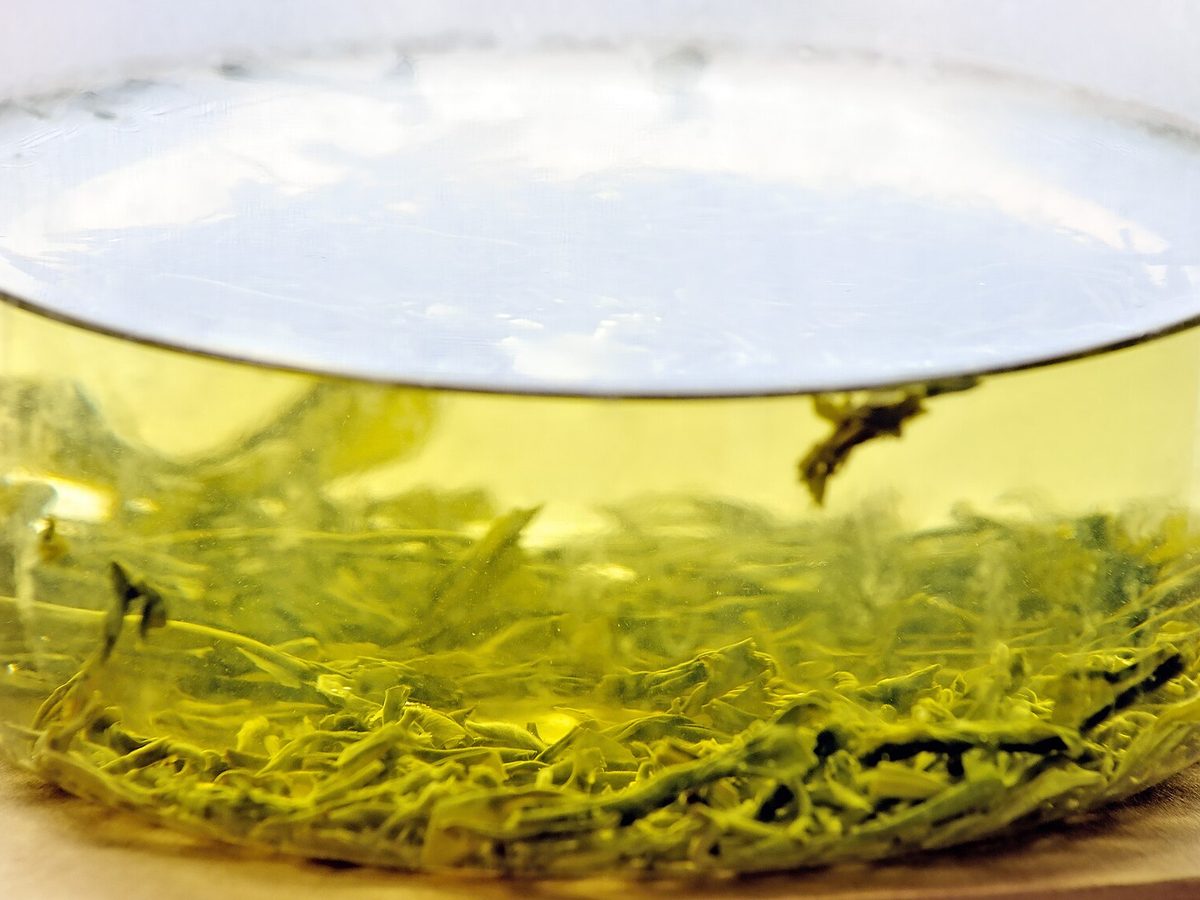
Longjing is China's best-known green tea, prized for a fresh, nutty character with a gentle sweetness and a clean finish. The leaves are pan-fired in woks, which sets a toasted chestnut aroma that higher grades show alongside a soft, savory depth. The cup is smooth and rounded with almost no bitterness when brewed with cooler water.
Matcha
Matcha is shade-grown tea ground into a fine powder, so you consume the whole leaf. Whisked with water, it produces a creamy, vivid green cup with rich umami, natural sweetness, and a soft vegetal edge. Quality ranges from everyday usucha to thick, intense koicha. Because nothing is strained out, the body is fuller than any steeped green tea.
Preparation Protocol
Brewing
Longjing
- Water temperature
- 80–85°C
- Leaf to water
- 3g / 250ml
- Steep time
- 2–3 min
- Re-steep
- 2–3 times
Matcha
- Water temperature
- 70–80°C
- Leaf to water
- 2g / 70ml
- Steep time
- Whisk until frothy
- Re-steep
- Whisk until frothy
Biochemistry
Caffeine
Longjing
Medium caffeine — roughly 20–45 mg per brewed serving (8–18 mg/100 ml)
A moderate, steady lift without an intense spike.
Matcha
High caffeine — roughly 50–80 mg per brewed serving (71–114 mg/100 ml)
A noticeable lift — best earlier in the day.
Craft & Microclimate
Origin
Longjing
China · Zhejiang
Longjing is traditionally associated with the West Lake area of Hangzhou in Zhejiang province, one of China's most storied green tea regions.
Matcha
Japan · Uji
Uji and Nishio (Aichi) produce most of Japan's ceremonial-grade matcha.
Curator's Recommendation
Which one might you prefer?
There is no superior tea here — only distinct sensory journeys. Use your flavor memory and current mood to choose.
Choose Longjing if you like:
- Fresh
- Smooth
- Nutty
Choose Matcha if you like:
- Umami
- Creamy
- Sweet
Longjing vs Matcha: FAQ
Which has more caffeine, Longjing or Matcha?
Longjing is about 20–45 mg per typical serving, Matcha about 50–80 mg — so Matcha sits higher on average. Brewing strength can shift either cup.
What is the main difference between Longjing and Matcha?
Longjing is a Green Tea from China, led by Fresh · Smooth. Matcha is a Green Tea from Japan, led by Umami · Creamy.
Should I choose Longjing or Matcha?
It depends on your taste and the moment — see the brewing comparison and recommendation above, then try both and compare your own cups.
Keep Exploring
Related teas to explore
Similar teas from both sides of this comparison.