Lao Cha Tou Tea
Old Tea Head · Lao Cha Tou Shu
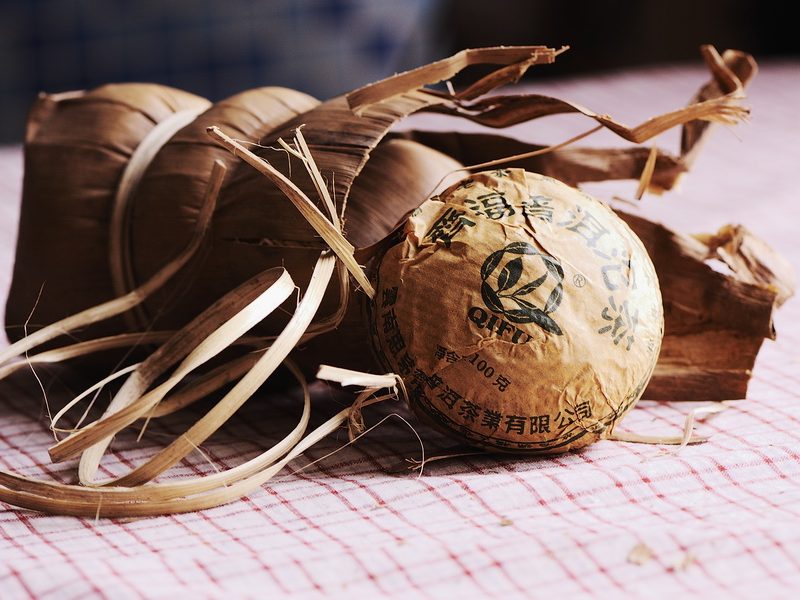
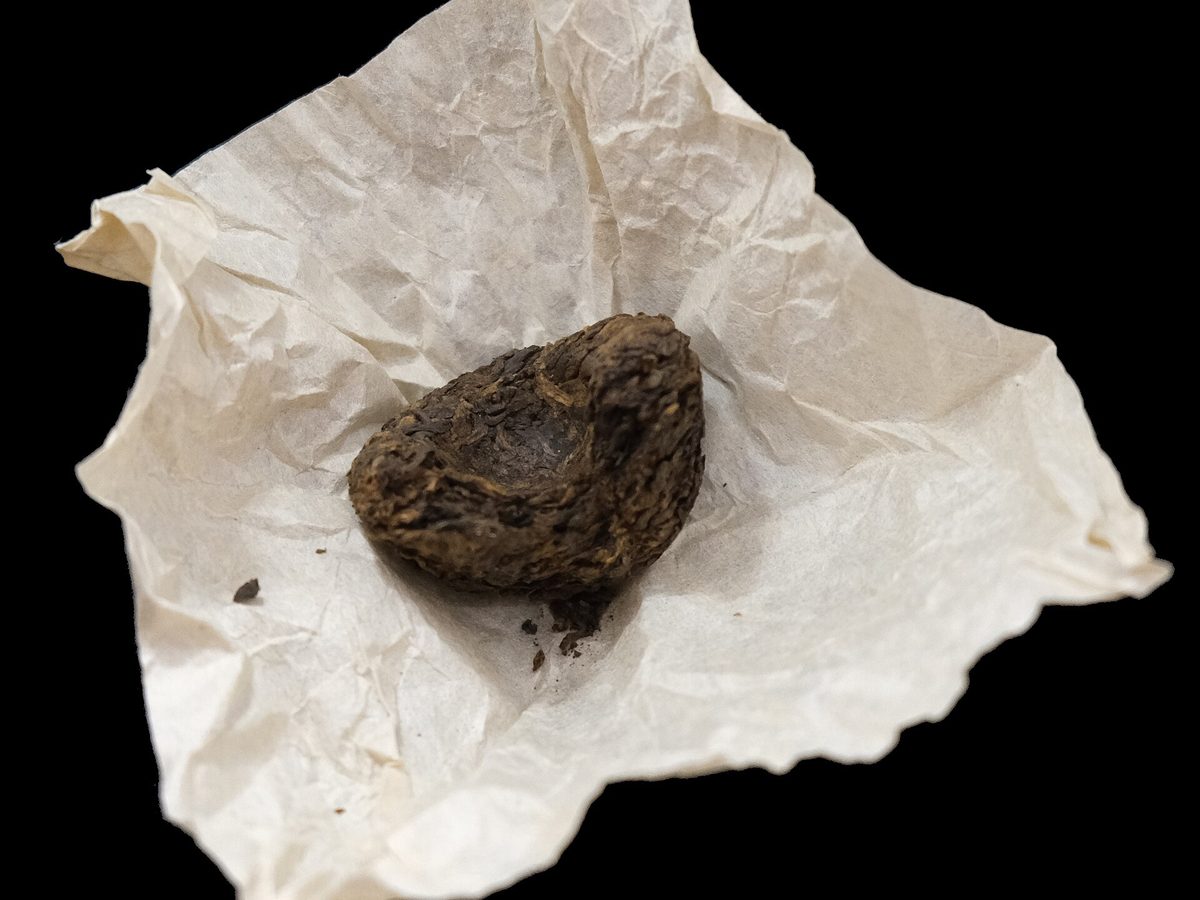
Lao Cha Tou, or Old Tea Head, refers to the nuggets that form naturally during shu pu-erh pile fermentation, where leaves clump together under heat and moisture.
Flavor Profile
What does Lao Cha Tou taste like?
Expect Smooth · Earthy · Sweet — the bars rank each note's relative intensity, strongest first.
Bar length reflects the relative prominence of each flavor note (dominant first), not a laboratory measurement.
Origin
Yunnan, China
Lao Cha Tou forms as a by-product of ripe pu-erh fermentation in Yunnan and is sorted from finished piles.
Where tea cultivation began; home to green, yellow, white, oolong, black, and dark styles across many provinces.
Brewing Guide
How to Brew Lao Cha Tou
Brewing parameters are a starting point and can be adjusted to taste.
Caffeine
Caffeine in Lao Cha Tou
Typical brewed serving
Lao Cha Tou is a medium-caffeine pu-erh. A typical brewed serving contains about 20–40 mg of caffeine.
Values can vary depending on quantity, brewing time, serving size, and preparation method. Range assumes this tea's standard parameters: 5 g leaf to 250 ml water, steeped 0.5–1 min. Estimates, not lab measurements — see our sources & method.
Fit
Who is Lao Cha Tou for?
New to tea?
A friendly starting point — forgiving to brew and easy to enjoy on the first cup.
When to drink it
Comfortable at any time of day.
Flavor direction
Full-bodied, leads with smooth notes — a pu-erh with smooth, earthy, sweet character.
Keep Exploring
If you like Lao Cha Tou
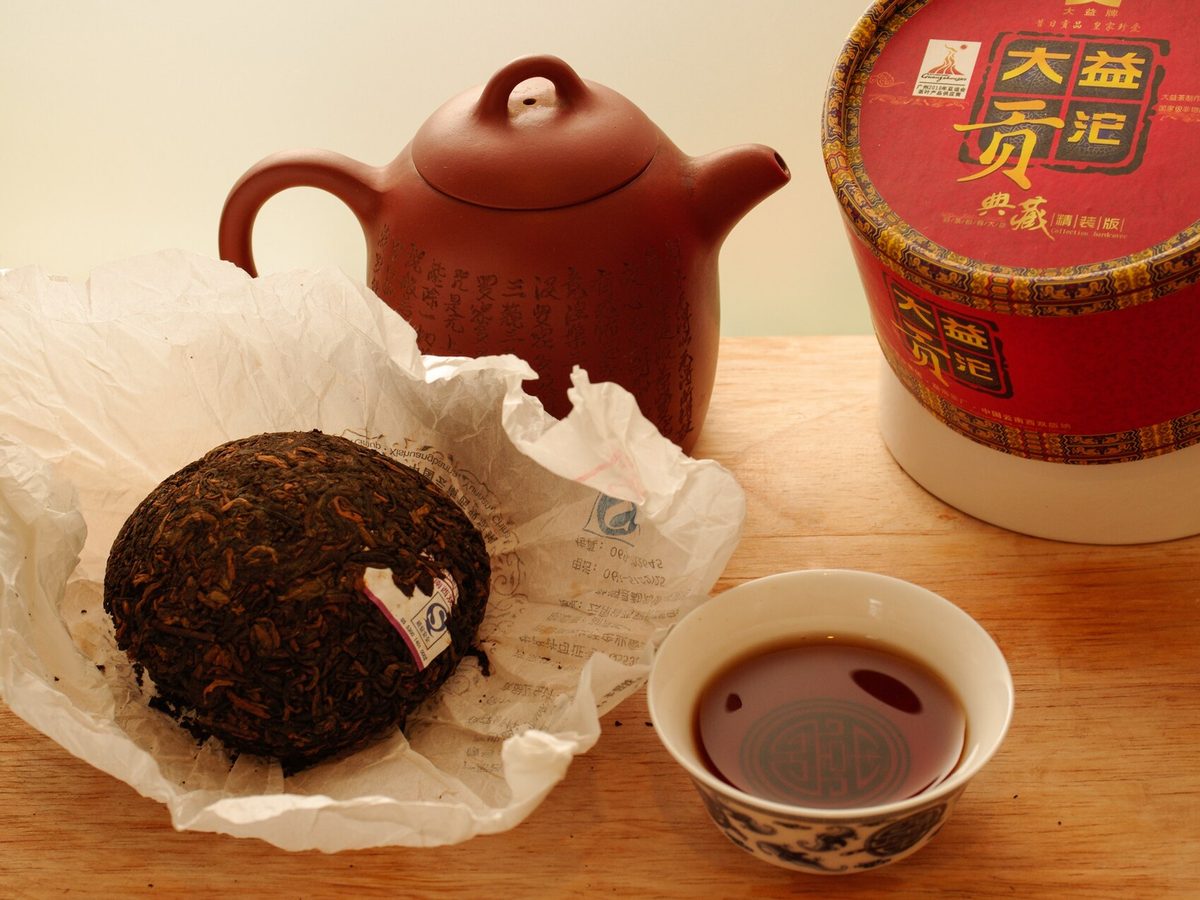
Side by Side
Want to see how Lao Cha Tou compares?
Choose any tea and compare flavor, origin, caffeine, and brewing side by side.
The story of Lao Cha Tou
During shu pu-erh pile fermentation, heat and moisture press the leaves together, and pectin binds some of them into dense nuggets. Sorted from finished piles, these clumps are called lao cha tou — literally "old tea head" — and they brew unlike any other ripe pu-erh.
The nuggets are compact, so they surrender flavor slowly. Steeps run thick and smooth: dark dates, caramel, and forest floor with almost no bitterness and a long, sweet finish. Use 5 g per 250 ml at 95–100°C and short steeps; the balls unravel gradually and often outlast loose ripe leaves, routinely stretching to eight to twelve infusions. Caffeine is a modest 20–40 mg per cup, and the forgiving nature of the material means over-steeping is hard to do.
Lao cha tou is the rare tea that rewards impatience in the kettle and patience in the session. Keep pouring past where you would have stopped with loose leaf — the later infusions, when the nuggets finally open, are often the best of the pot.
FAQ
Lao Cha Tou Tea FAQ
Quick answers about Lao Cha Tou tea, drawn from its flavor, origin, caffeine, and brewing profile.
What is Lao Cha Tou tea?
Lao Cha Tou is a Pu-erh from Yunnan. It is also known as Old Tea Head and Lao Cha Tou Shu.
Does Lao Cha Tou tea have caffeine?
Yes. Lao Cha Tou is a medium-caffeine tea, typically 20–40 mg per brewed serving.
What does Lao Cha Tou tea taste like?
Lao Cha Tou is known for a profile led by Smooth, Earthy, and Sweet, with a strong body.
How do you brew Lao Cha Tou tea?
Use about 5 g of tea per 250 ml of water at 95–100°C, steeping for 0.5–1 minutes. It can be re-steeped 8–12 times.
Is Lao Cha Tou tea bitter?
Bitterness is not a defining note of Lao Cha Tou; its profile centers on Smooth, Earthy, and Sweet.