Gongting Shu Tea
Palace Ripe Pu-erh · Gong Ting Shu
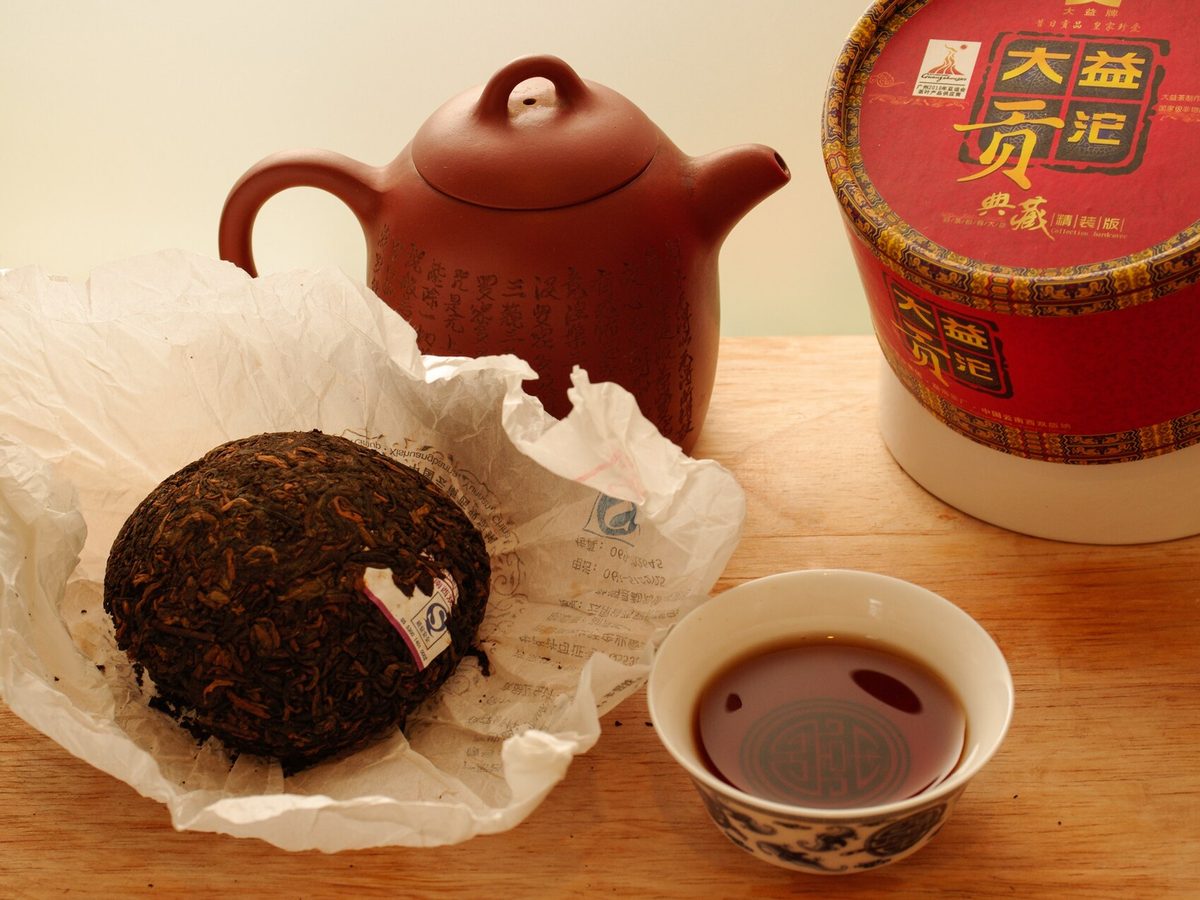
Gongting shu, or Palace Ripe Pu-erh, is made from fine buds sorted out of ripe pu-erh piles for a more delicate, refined cup.
Flavor Profile
What does Gongting Shu taste like?
Expect Smooth · Earthy · Cocoa — the bars rank each note's relative intensity, strongest first.
Bar length reflects the relative prominence of each flavor note (dominant first), not a laboratory measurement.
Origin
Yunnan, China
Gongting refers to a grade of ripe pu-erh bud material, produced across Yunnan's Menghai and Lincang regions.
Where tea cultivation began; home to green, yellow, white, oolong, black, and dark styles across many provinces.
Brewing Guide
How to Brew Gongting Shu
Brewing parameters are a starting point and can be adjusted to taste.
Caffeine
Caffeine in Gongting Shu
Typical brewed serving
Gongting Shu is a medium-caffeine pu-erh. A typical brewed serving contains about 30–55 mg of caffeine.
Values can vary depending on quantity, brewing time, serving size, and preparation method. Range assumes this tea's standard parameters: 5 g leaf to 250 ml water, steeped 0.5–1 min. Estimates, not lab measurements — see our sources & method.
Fit
Who is Gongting Shu for?
New to tea?
A friendly starting point — forgiving to brew and easy to enjoy on the first cup.
When to drink it
Comfortable at any time of day.
Flavor direction
Medium-bodied, leads with smooth notes — a pu-erh with smooth, earthy, cocoa character.
Keep Exploring
If you like Gongting Shu
Side by Side
Want to see how Gongting Shu compares?
Choose any tea and compare flavor, origin, caffeine, and brewing side by side.
The story of Gongting Shu
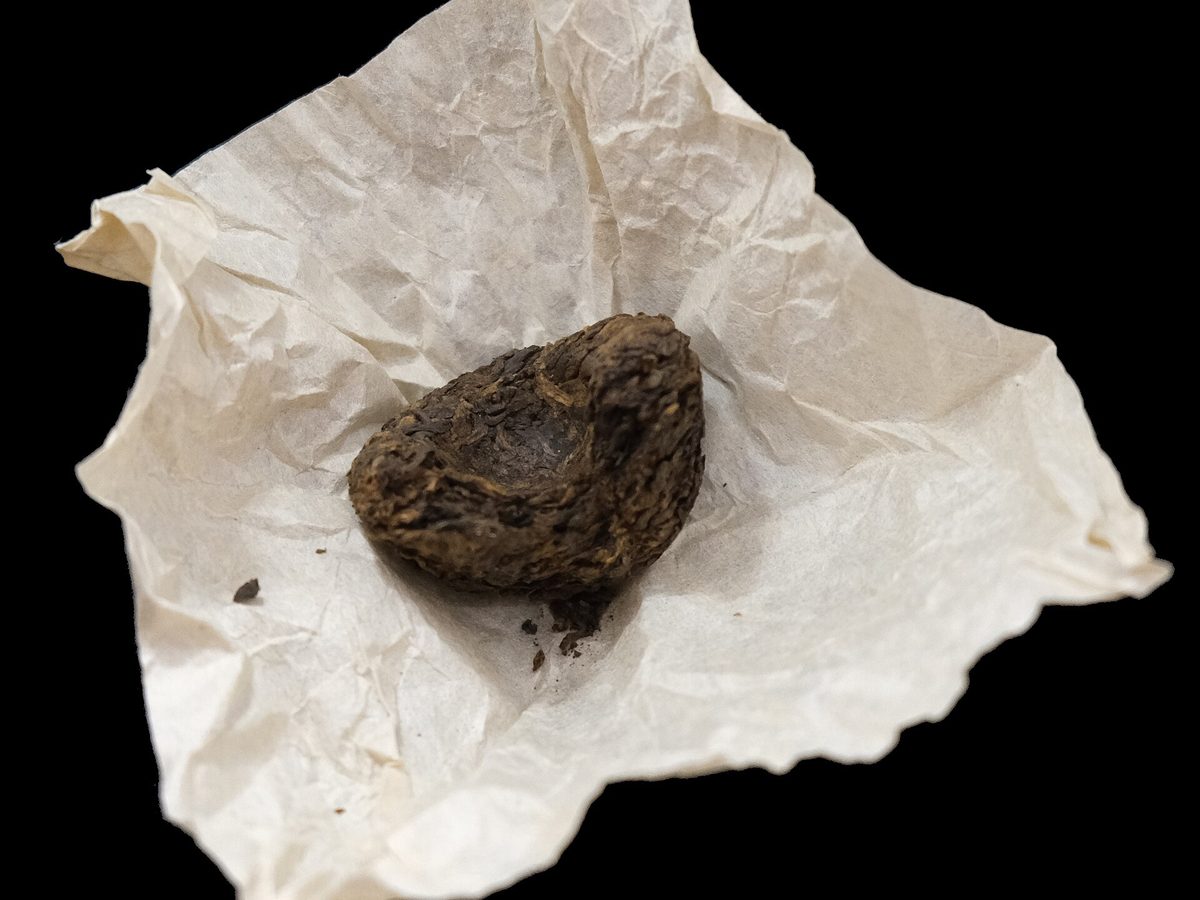
The word gongting, or "palace," refers not to a place but to a grade. During ripe pu-erh production, the tender buds are sorted out of the fermentation pile, and teas made from this fine material take the gongting name. Because buds ferment faster than mature leaves, they develop a distinctively soft, rounded character.
The cup is cocoa, red dates, and gentle earthy sweetness, carried on a thick, velvety body with a clean finish. Producers often blend gongting material into shu cakes to add aroma and depth, but drunk on its own it is one of the most approachable ripe pu-erhs available — an easy entry point for anyone unsure about the shu category. Brew 5 g per 250 ml at 95–100°C with short steeps, expecting six to ten infusions and roughly 30–55 mg of caffeine per cup.
If young ripe pu-erh has ever tasted harsh to you, gongting is the counter-argument: proof that pile fermentation, handled with fine material, can produce something close to dessert wine in tea form.
FAQ
Gongting Shu Tea FAQ
Quick answers about Gongting Shu tea, drawn from its flavor, origin, caffeine, and brewing profile.
What is Gongting Shu tea?
Gongting Shu is a Pu-erh from Yunnan. It is also known as Palace Ripe Pu-erh and Gong Ting Shu.
Does Gongting Shu tea have caffeine?
Yes. Gongting Shu is a medium-caffeine tea, typically 30–55 mg per brewed serving.
What does Gongting Shu tea taste like?
Gongting Shu is known for a profile led by Smooth, Earthy, and Cocoa, with a medium body.
How do you brew Gongting Shu tea?
Use about 5 g of tea per 250 ml of water at 95–100°C, steeping for 0.5–1 minutes. It can be re-steeped 6–10 times.
Is Gongting Shu tea bitter?
Bitterness is not a defining note of Gongting Shu; its profile centers on Smooth, Earthy, and Cocoa.