Chen Nian Shu Tea
Aged Ripe Pu-erh · Chen Nian Shu Pu-erh
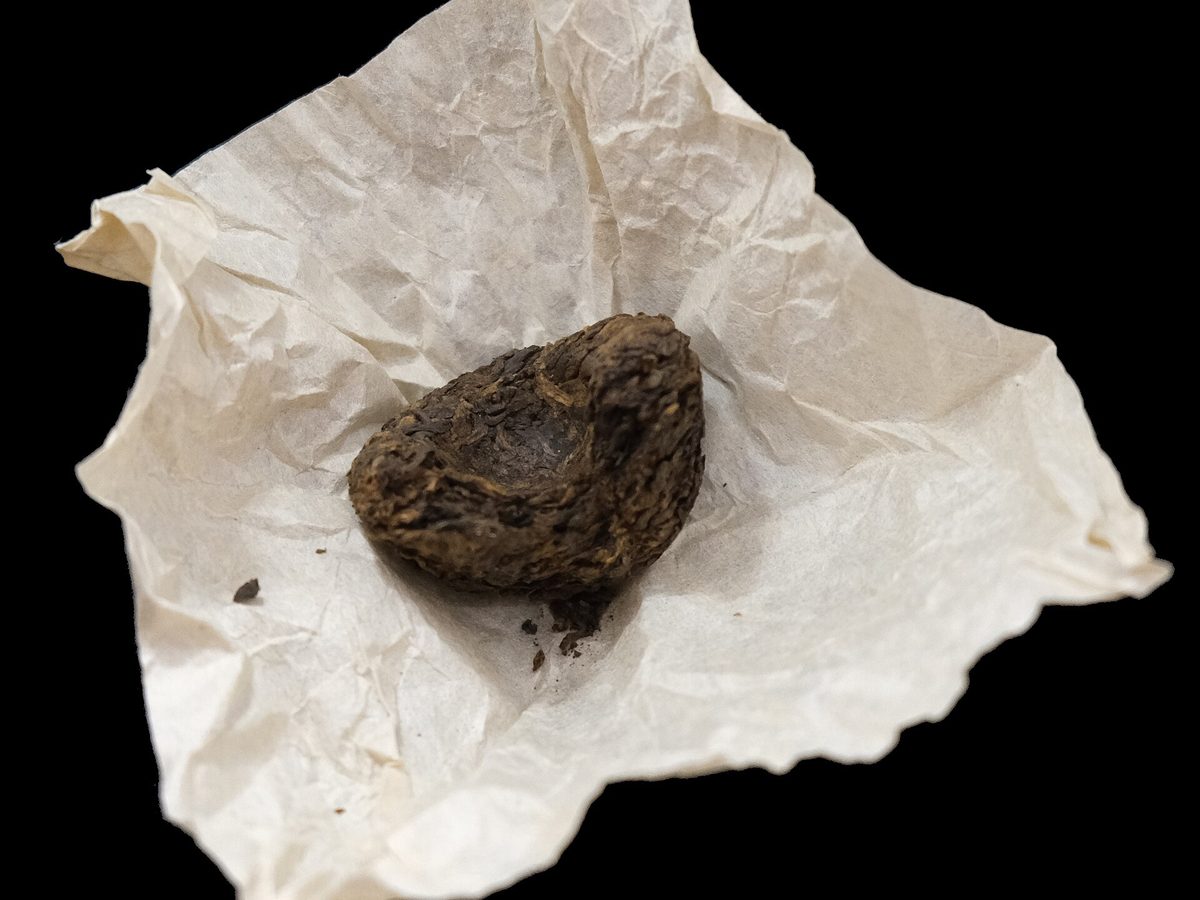
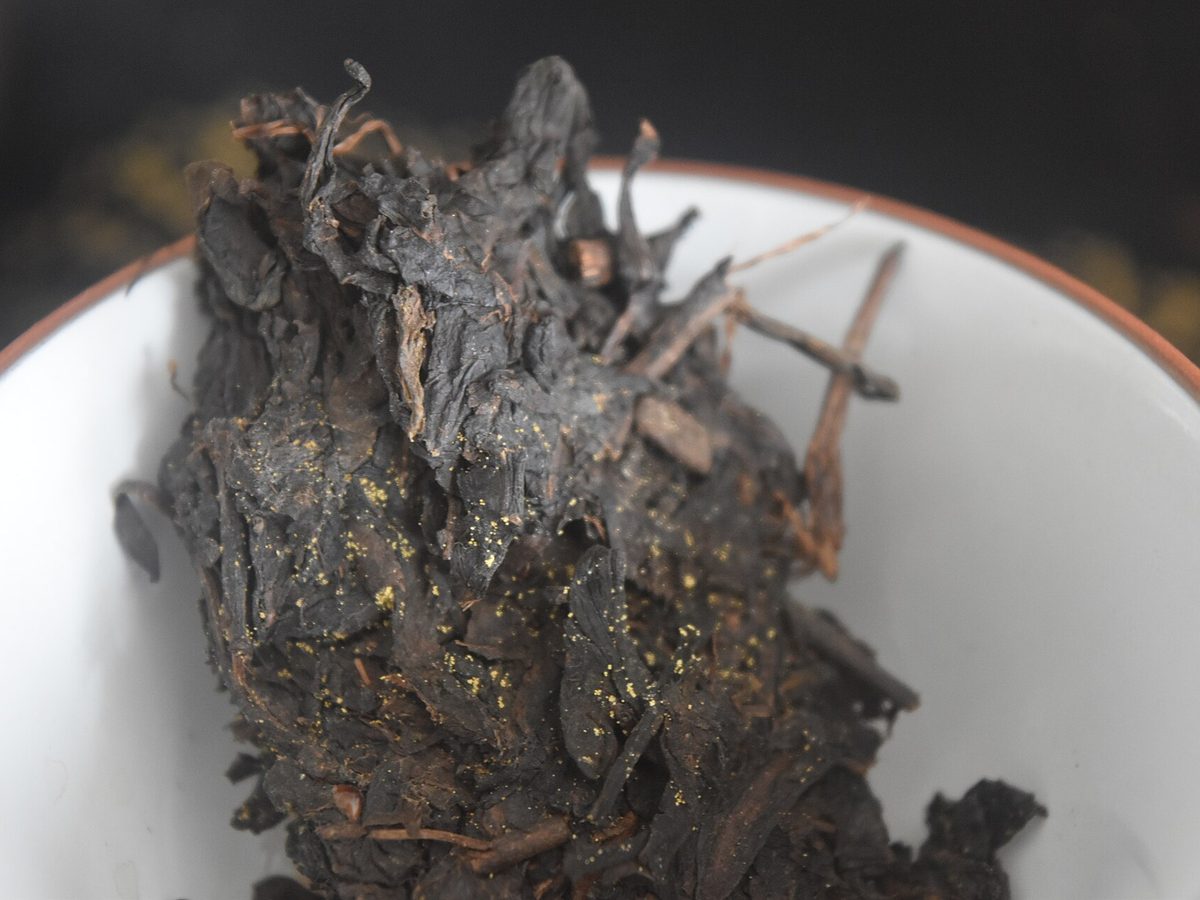
Chen Nian Shu, aged ripe pu-erh, has rested long enough for the sharper edges of pile fermentation to soften.
Flavor Profile
What does Chen Nian Shu taste like?
Expect Woody · Earthy · Smooth — the bars rank each note's relative intensity, strongest first.
Bar length reflects the relative prominence of each flavor note (dominant first), not a laboratory measurement.
Origin
Yunnan, China
Chen Nian Shu simply denotes ripe pu-erh that has been aged in Yunnan, Hong Kong, or Taiwan storage.
Where tea cultivation began; home to green, yellow, white, oolong, black, and dark styles across many provinces.
Brewing Guide
How to Brew Chen Nian Shu
Brewing parameters are a starting point and can be adjusted to taste.
Caffeine
Caffeine in Chen Nian Shu
Typical brewed serving
Chen Nian Shu is a medium-caffeine pu-erh. A typical brewed serving contains about 30–55 mg of caffeine.
Values can vary depending on quantity, brewing time, serving size, and preparation method. Range assumes this tea's standard parameters: 5 g leaf to 250 ml water, steeped 0.5–1 min. Estimates, not lab measurements — see our sources & method.
Fit
Who is Chen Nian Shu for?
Experienced drinkers
Better once you've explored a few teas — it rewards a little brewing attention.
When to drink it
Comfortable at any time of day.
Flavor direction
Full-bodied, leads with woody notes — a pu-erh with woody, earthy, smooth character.
Keep Exploring
If you like Chen Nian Shu

Side by Side
Want to see how Chen Nian Shu compares?
Choose any tea and compare flavor, origin, caffeine, and brewing side by side.
The story of Chen Nian Shu
Time is the quiet ingredient in ripe pu-erh. Fresh from the pile, shu can taste sharp and one-dimensional; given years of proper storage — in Yunnan, Hong Kong, or Taiwan — the edges soften and integrate into something deeper. That aged tea is chen nian shu.
The cup runs to camphor, old wood, and dried jujube, with a mellow earthy sweetness and a thick, settled body. The warming, calming character is markedly different from young shu and closer in spirit to well-kept aged sheng, though the road there is shorter. Brewing follows standard shu practice: 5 g per 250 ml at 95–100°C, short steeps, six to ten infusions, with caffeine around 30–55 mg per cup. Storage matters as much as origin here — well-stored cakes from good producers are what drinkers prize.
For newcomers, chen nian shu offers the aged-pu-erh experience without the decades-long wait of raw tea. Choose cakes from producers with a track record of clean, dry storage, and let the first infusion rinse wake the leaf.
FAQ
Chen Nian Shu Tea FAQ
Quick answers about Chen Nian Shu tea, drawn from its flavor, origin, caffeine, and brewing profile.
What is Chen Nian Shu tea?
Chen Nian Shu is a Pu-erh from Yunnan. It is also known as Aged Ripe Pu-erh and Chen Nian Shu Pu-erh.
Does Chen Nian Shu tea have caffeine?
Yes. Chen Nian Shu is a medium-caffeine tea, typically 30–55 mg per brewed serving.
What does Chen Nian Shu tea taste like?
Chen Nian Shu is known for a profile led by Woody, Earthy, and Smooth, with a strong body.
How do you brew Chen Nian Shu tea?
Use about 5 g of tea per 250 ml of water at 95–100°C, steeping for 0.5–1 minutes. It can be re-steeped 6–10 times.
Is Chen Nian Shu tea bitter?
Bitterness is not a defining note of Chen Nian Shu; its profile centers on Woody, Earthy, and Smooth.