Shincha Tea
First Flush Sencha
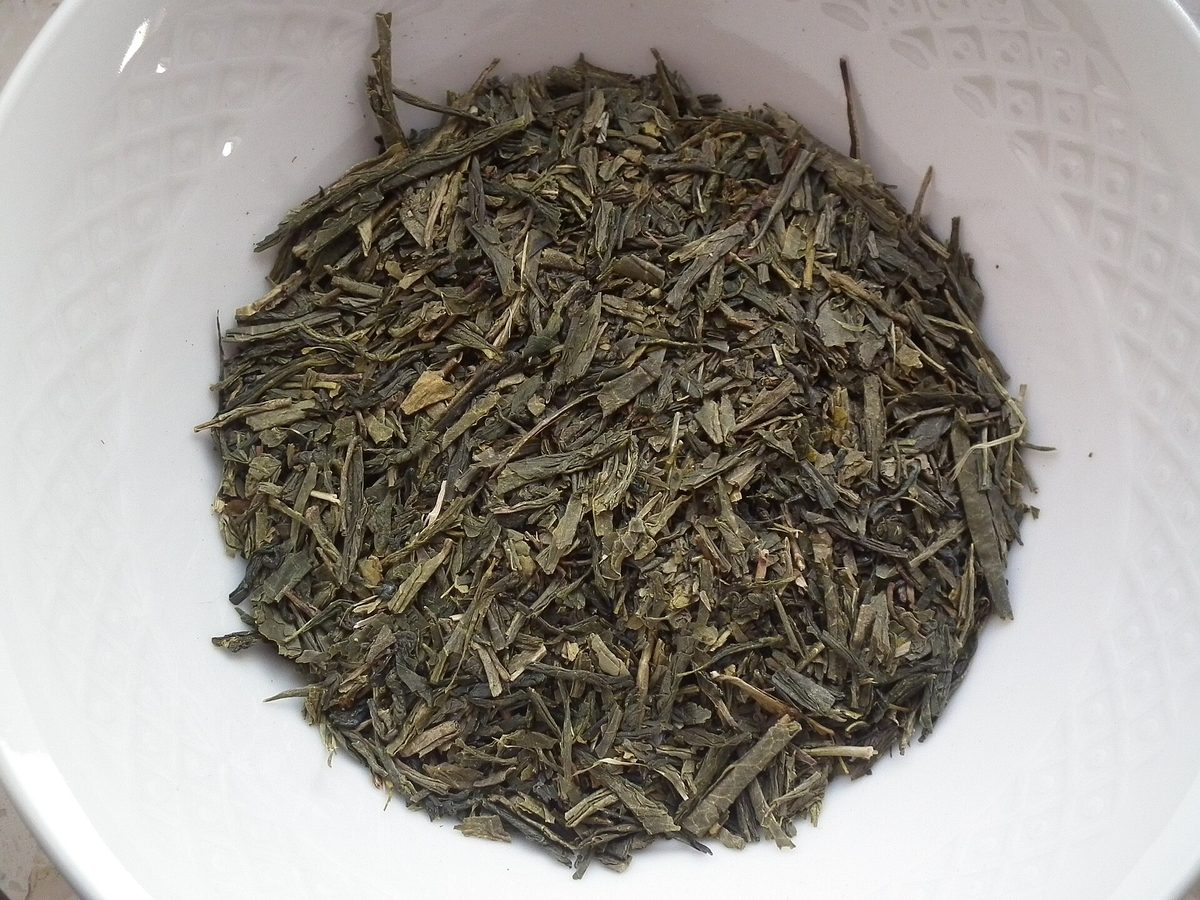
Shincha is the first sencha harvest of spring, prized for its fresh, lively character.
Flavor Profile
What does Shincha taste like?
Expect Fresh · Grassy · Sweet — the bars rank each note's relative intensity, strongest first.
Bar length reflects the relative prominence of each flavor note (dominant first), not a laboratory measurement.
Origin
Kagoshima, Japan
Shincha arrives from southern Kyushu, Kagoshima, and Shizuoka as the earliest spring pickings.
Known for steamed green teas, shade-grown umami, and powdered matcha.
Brewing Guide
How to Brew Shincha
Brewing parameters are a starting point and can be adjusted to taste.
Caffeine
Caffeine in Shincha
Typical brewed serving
Shincha is a medium-caffeine green tea. A typical brewed serving contains about 20–40 mg of caffeine.
Values can vary depending on quantity, brewing time, serving size, and preparation method. Range assumes this tea's standard parameters: 3 g leaf to 250 ml water, steeped 1–2 min. Estimates, not lab measurements — see our sources & method.
Fit
Who is Shincha for?
Experienced drinkers
Better once you've explored a few teas — it rewards a little brewing attention.
When to drink it
Comfortable at any time of day.
Flavor direction
Light-bodied, leads with fresh notes — a green tea with fresh, grassy, sweet character.
Keep Exploring
If you like Shincha
Side by Side
Want to see how Shincha compares?
Choose any tea and compare flavor, origin, caffeine, and brewing side by side.
The story of Shincha
Shincha means, quite literally, new tea. It is the first sencha of the year, picked in early spring before the main harvest begins, and Japanese tea drinkers treat its arrival as a seasonal event rather than just another release. The first flush leaves are young and nitrogen-rich, which is why the cup tastes so vivid and alive compared with summer pickings.
In the cup, shincha leans bright and grassy with a soft natural sweetness and a fuller, rounder body than later flushes. Bitterness stays low, and umami runs quietly underneath the fresh vegetal notes. Much of what reaches the market comes from Kagoshima in southern Kyushu and Shizuoka, where warm conditions allow the earliest plucking. Expect roughly 20–40 mg of caffeine per cup. Brew about 3 g per 250 ml at 70–80°C for one to two minutes, and resteep two to three times while the leaves still have something to say. Because supplies are limited, it is best enjoyed within a few months of picking rather than cellared.
FAQ
Shincha Tea FAQ
Quick answers about Shincha tea, drawn from its flavor, origin, caffeine, and brewing profile.
What is Shincha tea?
Shincha is a Green Tea from Kagoshima. It is also known as First Flush Sencha.
Does Shincha tea have caffeine?
Yes. Shincha is a medium-caffeine tea, typically 20–40 mg per brewed serving.
What does Shincha tea taste like?
Shincha is known for a profile led by Fresh, Grassy, and Sweet, with a light body.
How do you brew Shincha tea?
Use about 3 g of tea per 250 ml of water at 70–80°C, steeping for 1–2 minutes. It can be re-steeped 2–3 times.
Is Shincha tea bitter?
Bitterness is not a defining note of Shincha; its profile centers on Fresh, Grassy, and Sweet.