Mu Dan Wang Tea
White Peony King · Bai Mu Dan Wang
Mu Dan Wang, or White Peony King, is a high-grade Bai Mu Dan made from fuller bud sets picked in early spring.
Flavor Profile
What does Mu Dan Wang taste like?
Expect Honeyed · Floral · Creamy — the bars rank each note's relative intensity, strongest first.
Bar length reflects the relative prominence of each flavor note (dominant first), not a laboratory measurement.
Origin
Fujian, China
Mu Dan Wang is a premium grade of Bai Mu Dan produced in Fujian's Fuding and Zhenghe counties.
Where tea cultivation began; home to green, yellow, white, oolong, black, and dark styles across many provinces.
Brewing Guide
How to Brew Mu Dan Wang
Brewing parameters are a starting point and can be adjusted to taste.
Caffeine
Caffeine in Mu Dan Wang
Typical brewed serving
Mu Dan Wang is a medium-caffeine white tea. A typical brewed serving contains about 30–50 mg of caffeine.
Values can vary depending on quantity, brewing time, serving size, and preparation method. Range assumes this tea's standard parameters: 3 g leaf to 250 ml water, steeped 2–3 min. Estimates, not lab measurements — see our sources & method.
Fit
Who is Mu Dan Wang for?
Experienced drinkers
Better once you've explored a few teas — it rewards a little brewing attention.
When to drink it
Comfortable at any time of day.
Flavor direction
Medium-bodied, leads with honeyed notes — a white tea with honeyed, floral, creamy character.
Keep Exploring
If you like Mu Dan Wang
Side by Side
Want to see how Mu Dan Wang compares?
Choose any tea and compare flavor, origin, caffeine, and brewing side by side.
The story of Mu Dan Wang
Ask for Mu Dan Wang when standard White Peony starts to feel too light. The grade sits one step below Silver Needle in bud content yet brews noticeably richer: pronounced honey sweetness, orchid florals, and a silky, fuller body that carries a long, cooling finish. It is the middle path of Fujian white tea, rewarding but not as demanding as pure-bud picking.
Production centers on Fuding and Zhenghe counties, where early-spring leaf sets are withered and dried with minimal handling. The fuller bud sets unfurl slowly, so give each infusion room to open — most cups deepen noticeably between the second and third steep. Brewing around 85–90°C with roughly 3 g per 250 ml for two to three minutes suits the leaf well, and the leaves hold for two to three good infusions. Expect a gentle 30–50 mg of caffeine per cup, firmly in the afternoon-safe range.
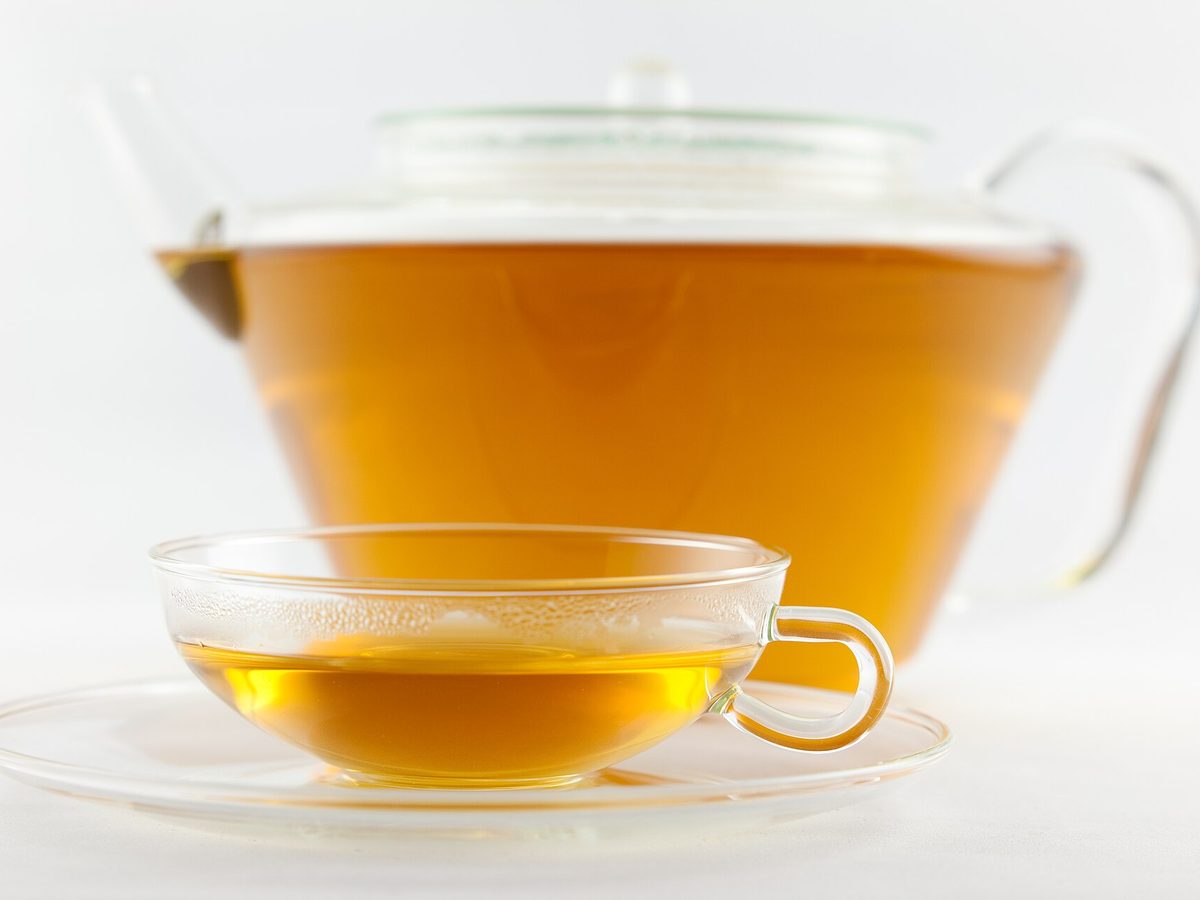
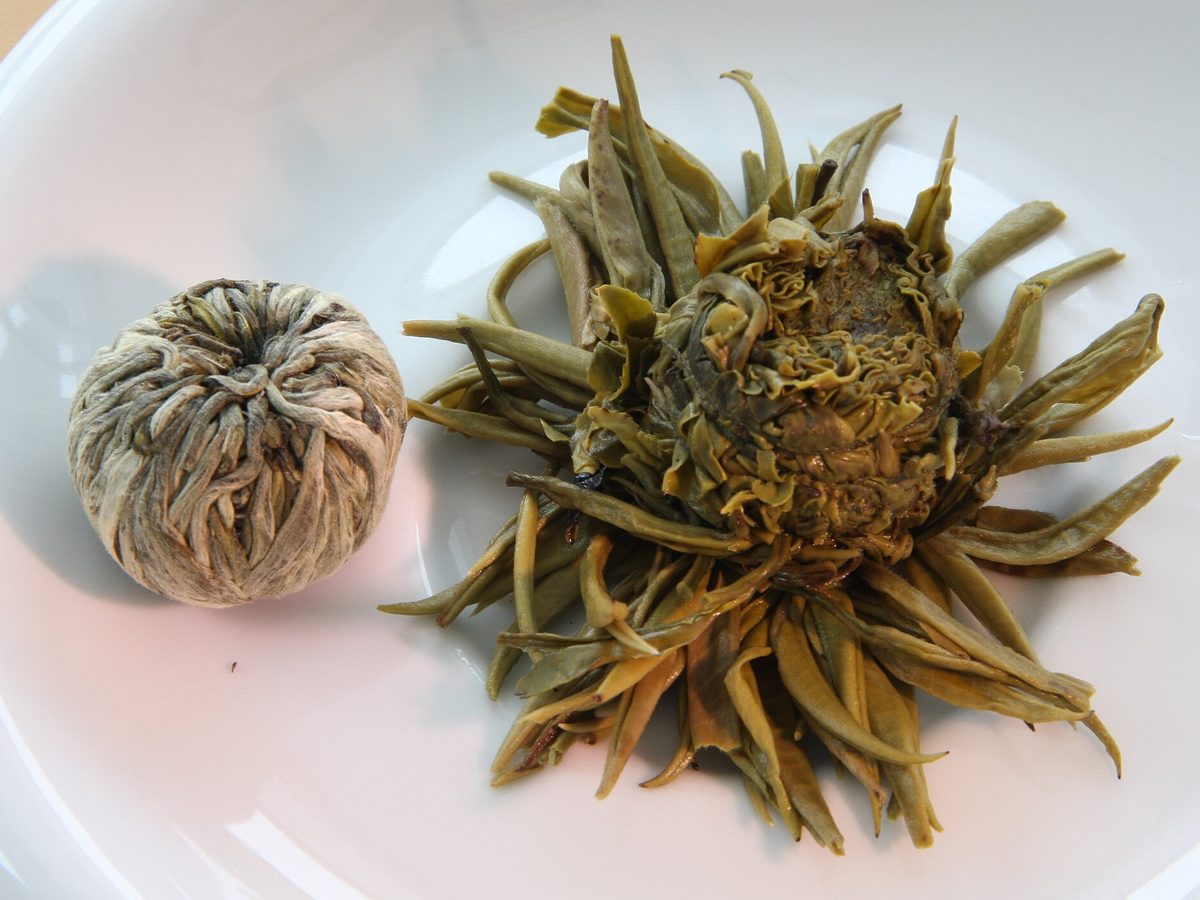
Mu Dan Wang suits drinkers ready to move past entry-level white tea without committing to Silver Needle's delicacy. Watch the leaves in a glass pitcher as they open — it is one of the more graceful teas to observe.
FAQ
Mu Dan Wang Tea FAQ
Quick answers about Mu Dan Wang tea, drawn from its flavor, origin, caffeine, and brewing profile.
What is Mu Dan Wang tea?
Mu Dan Wang is a White Tea from Fujian. It is also known as White Peony King and Bai Mu Dan Wang.
Does Mu Dan Wang tea have caffeine?
Yes. Mu Dan Wang is a medium-caffeine tea, typically 30–50 mg per brewed serving.
What does Mu Dan Wang tea taste like?
Mu Dan Wang is known for a profile led by Honeyed, Floral, and Creamy, with a medium body.
How do you brew Mu Dan Wang tea?
Use about 3 g of tea per 250 ml of water at 85–90°C, steeping for 2–3 minutes. It can be re-steeped 2–3 times.
Is Mu Dan Wang tea bitter?
Bitterness is not a defining note of Mu Dan Wang; its profile centers on Honeyed, Floral, and Creamy.