Bai Mu Dan Tea
White Peony
Bai Mu Dan is a white tea made from buds and the top two leaves, withered and dried with minimal handling.
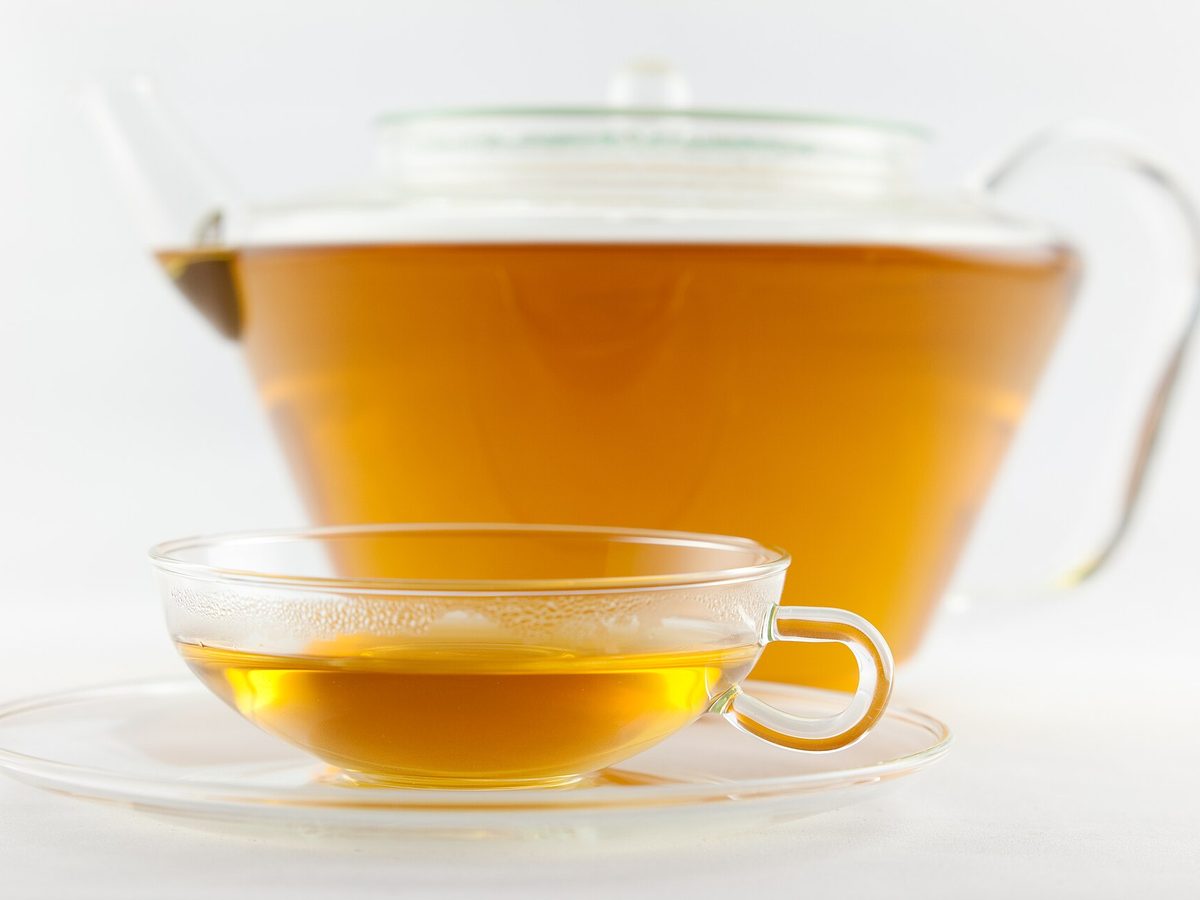
Flavor Profile
What does Bai Mu Dan taste like?
Expect Honeyed · Floral · Smooth — the bars rank each note's relative intensity, strongest first.
Bar length reflects the relative prominence of each flavor note (dominant first), not a laboratory measurement.
Origin
Fujian, China
Fujian's Fuding and Zhenghe counties are the classic homes of white tea.
Where tea cultivation began; home to green, yellow, white, oolong, black, and dark styles across many provinces.
Brewing Guide
How to Brew Bai Mu Dan
Brewing parameters are a starting point and can be adjusted to taste.
Caffeine
Caffeine in Bai Mu Dan
Typical brewed serving
Bai Mu Dan is a medium-caffeine white tea. A typical brewed serving contains about 25–45 mg of caffeine.
Values can vary depending on quantity, brewing time, serving size, and preparation method. Range assumes this tea's standard parameters: 3 g leaf to 250 ml water, steeped 2–3 min. Estimates, not lab measurements — see our sources & method.
Fit
Who is Bai Mu Dan for?
New to tea?
A friendly starting point — forgiving to brew and easy to enjoy on the first cup.
When to drink it
Comfortable at any time of day.
Flavor direction
Light-bodied, leads with honeyed notes — a white tea with honeyed, floral, smooth character.
Keep Exploring
If you like Bai Mu Dan
Side by Side
Want to see how Bai Mu Dan compares?
Put Bai Mu Dan next to Silver Needle and compare flavor, origin, caffeine, and brewing side by side.
The story of Bai Mu Dan
Bai Mu Dan — 'white peony' — sits one step down from Silver Needle in the white tea hierarchy, and many drinkers prefer it there. Where Silver Needle uses only buds, Bai Mu Dan includes the bud plus the top two leaves, giving the tea more body, more flavor, and a more forgiving price. Both Fuding and Zhenghe counties in Fujian produce it, and the two towns' styles differ subtly: Fuding versions tend brighter and fresher, Zhenghe ones softer and more honeyed.
Processing is minimal — withering and slow drying, no pan-firing or rolling — which is why the leaves look so intact and the cup tastes so mellow. Expect gentle honey sweetness, mild florals, and a faint autumn-leaf earthiness. Brew about 3 grams per 250 ml at 85 to 90°C for two to three minutes, resteepable two to three times. It handles hotter water than Silver Needle without turning harsh, a reason it is often recommended as the entry point into white tea.
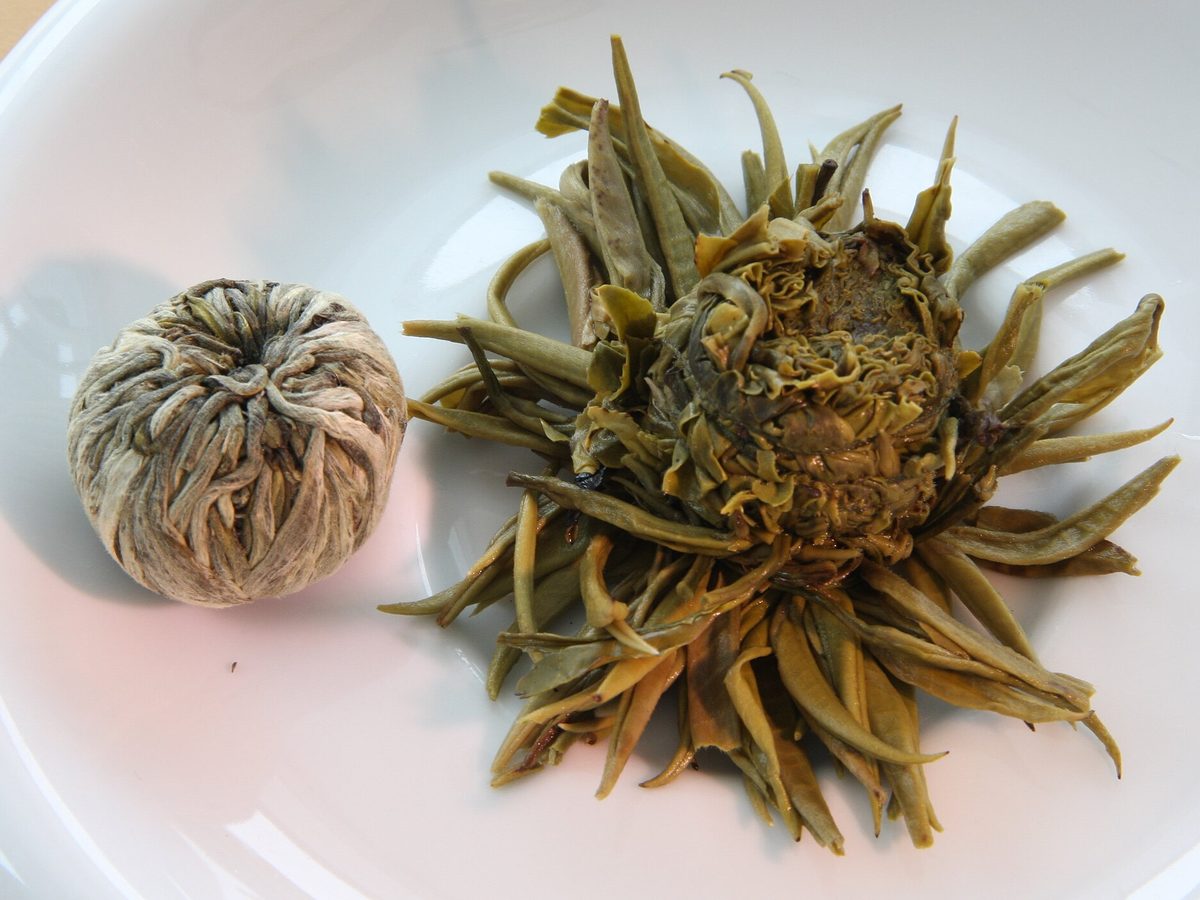
Because it is made with more mature leaf than Silver Needle, Bai Mu Dan also ages reasonably well and is often pressed into cakes for storage. Buy from sources that show the leaf — silvery buds mixed with gray-green leaves — rather than broken dust.
FAQ
Bai Mu Dan Tea FAQ
Quick answers about Bai Mu Dan tea, drawn from its flavor, origin, caffeine, and brewing profile.
What is Bai Mu Dan tea?
Bai Mu Dan is a White Tea from Fujian. It is also known as White Peony.
Does Bai Mu Dan tea have caffeine?
Yes. Bai Mu Dan is a medium-caffeine tea, typically 25–45 mg per brewed serving.
What does Bai Mu Dan tea taste like?
Bai Mu Dan is known for a profile led by Honeyed, Floral, and Smooth, with a light body.
How do you brew Bai Mu Dan tea?
Use about 3 g of tea per 250 ml of water at 85–90°C, steeping for 2–3 minutes. It can be re-steeped 2–3 times.
Is Bai Mu Dan tea bitter?
Bitterness is not a defining note of Bai Mu Dan; its profile centers on Honeyed, Floral, and Smooth.