Gong Mei Tea
Tribute Eyebrow · Gong Mei White Tea
Gong Mei sits between Bai Mu Dan and Shou Mei, made from larger leaves with fewer buds than White Peony.
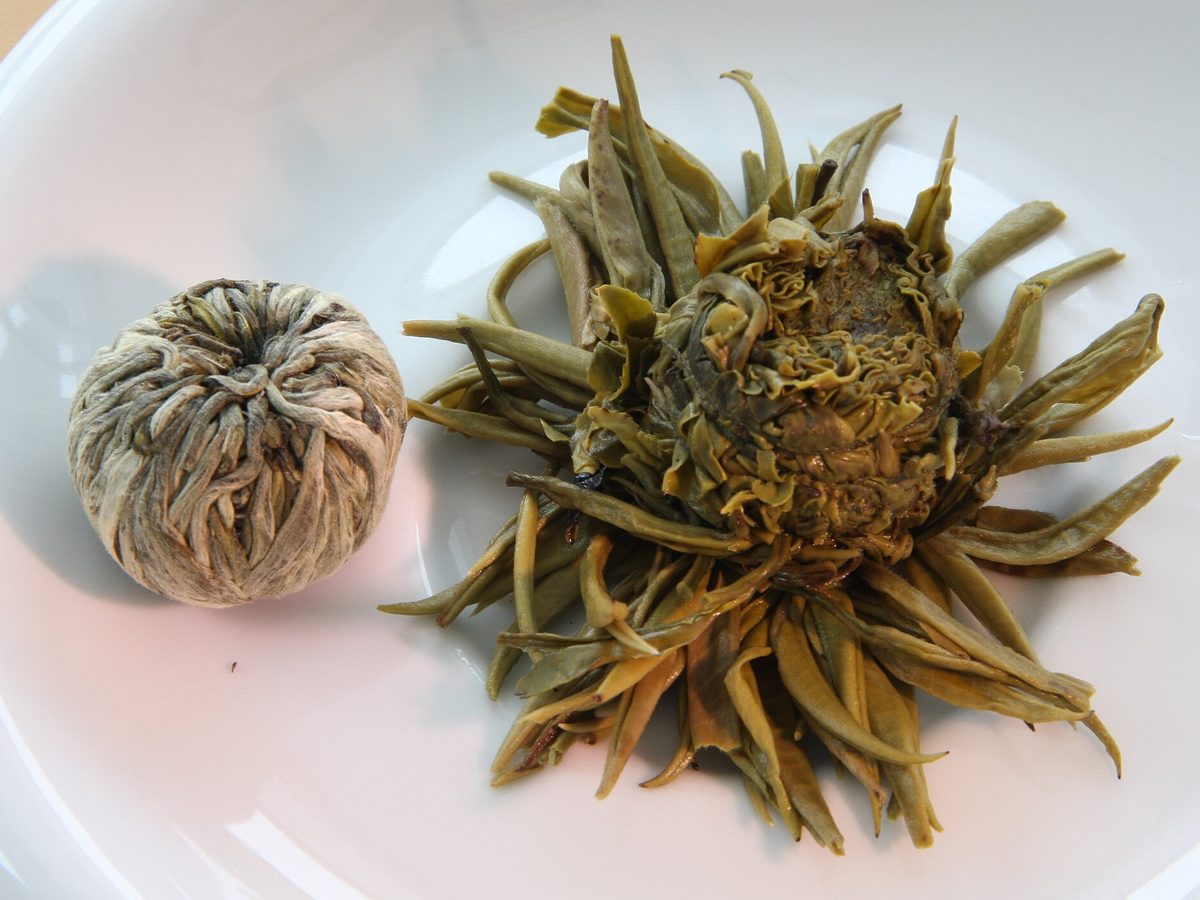
Flavor Profile
What does Gong Mei taste like?
Expect Honeyed · Earthy · Floral — the bars rank each note's relative intensity, strongest first.
Bar length reflects the relative prominence of each flavor note (dominant first), not a laboratory measurement.
Origin
Fujian, China
Gong Mei is made in Fujian, mainly in the Fuding and Zhenghe white tea producing areas.
Where tea cultivation began; home to green, yellow, white, oolong, black, and dark styles across many provinces.
Brewing Guide
How to Brew Gong Mei
Brewing parameters are a starting point and can be adjusted to taste.
Caffeine
Caffeine in Gong Mei
Typical brewed serving
Gong Mei is a low-caffeine white tea. A typical brewed serving contains about 10–25 mg of caffeine.
Values can vary depending on quantity, brewing time, serving size, and preparation method. Range assumes this tea's standard parameters: 3 g leaf to 250 ml water, steeped 2–3 min. Estimates, not lab measurements — see our sources & method.
Fit
Who is Gong Mei for?
New to tea?
A friendly starting point — forgiving to brew and easy to enjoy on the first cup.
When to drink it
Gentle enough for late afternoons and evenings.
Flavor direction
Light-bodied, leads with honeyed notes — a white tea with honeyed, earthy, floral character.
Keep Exploring
If you like Gong Mei
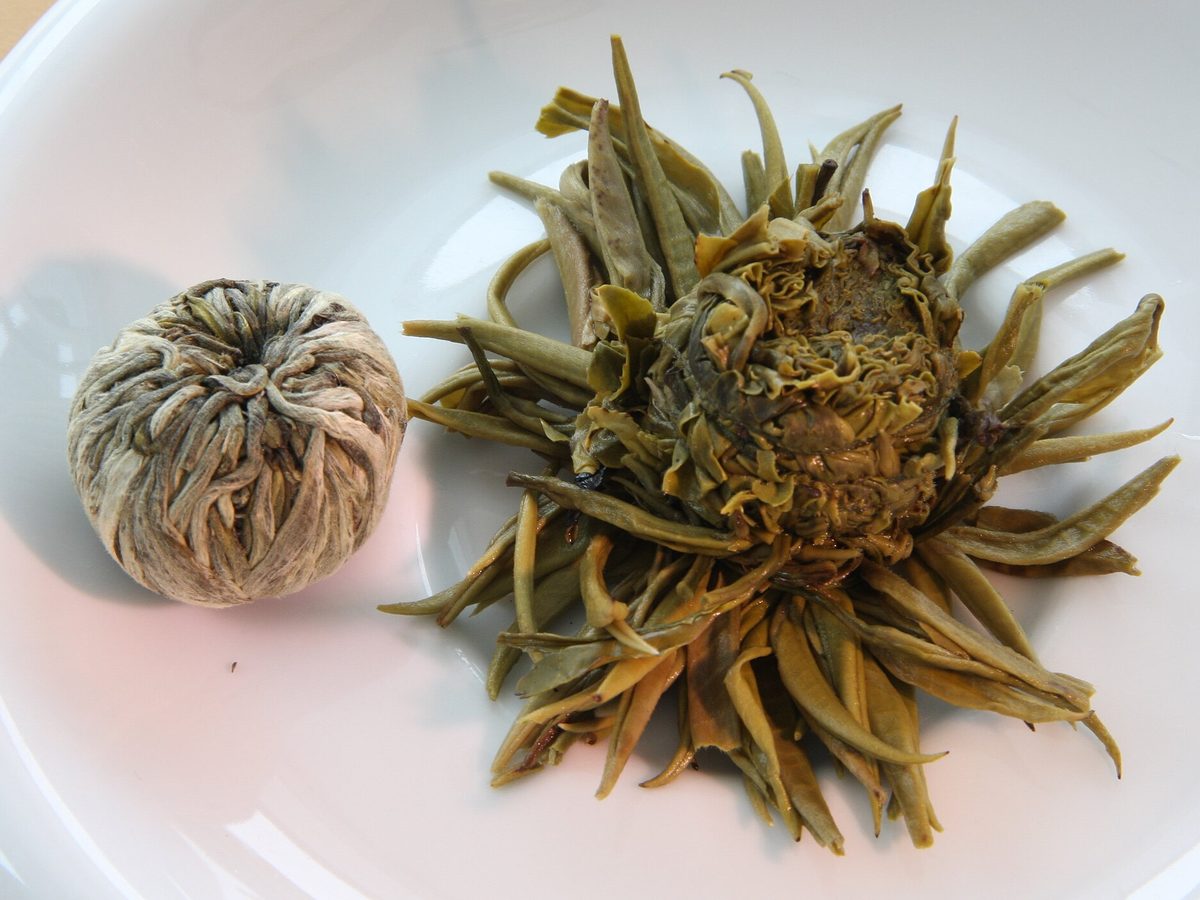
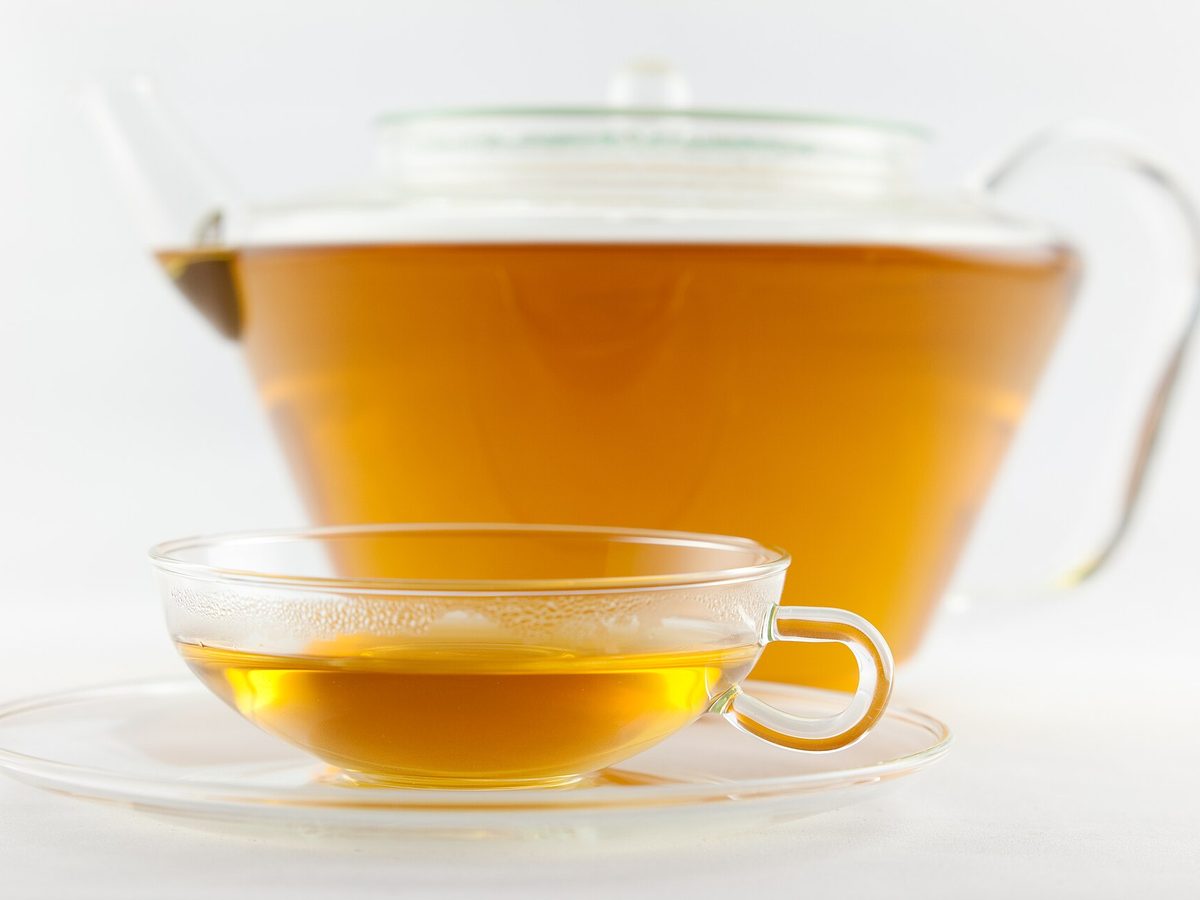
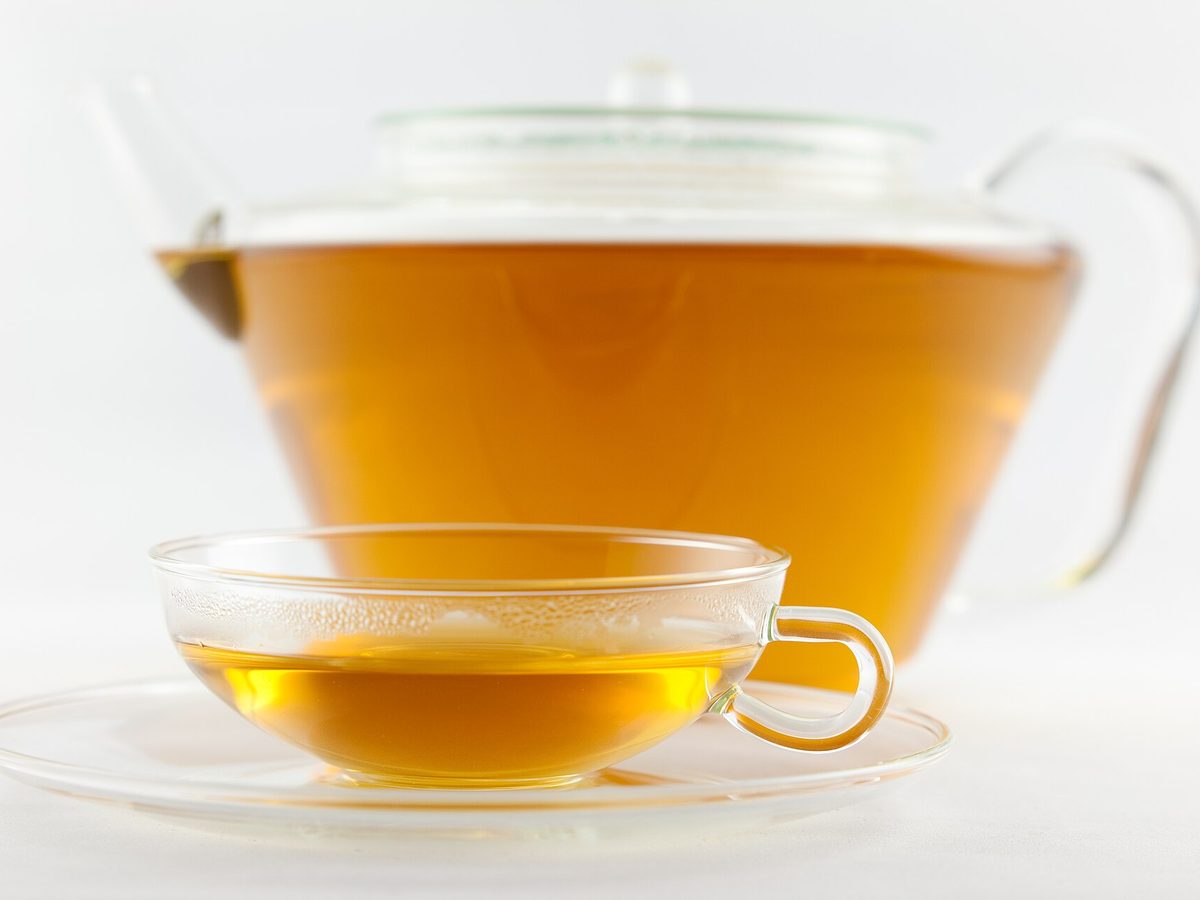
Side by Side
Want to see how Gong Mei compares?
Put Gong Mei next to Shou Mei and compare flavor, origin, caffeine, and brewing side by side.
The story of Gong Mei
Ask where Gong Mei sits in the white tea family and you get a useful answer: between Bai Mu Dan and Shou Mei. It is built from larger leaves with fewer buds than White Peony, yet it keeps more sweetness than the humblest "Longevity Eyebrow." The older name, "Tribute Eyebrow," hints at a more formal past, though today it is firmly an everyday tea of Fuding and Zhenghe, made by the same patient withering-and-drying path as other Fujian whites — no rolling, no roast, just time and air.
In the cup it is rounder and sweeter than Shou Mei — soft hay and honey with a light floral edge, a mellow earthy note underneath. It handles repeated steeps gracefully, rewarding patience across two or three infusions at 85–90 °C. Low in caffeine and easy to brew, Gong Mei is one of the most approachable entries into Fujian white tea: a gentle middle path between delicacy and substance, and proof that the family's quieter members often age the most gracefully.
FAQ
Gong Mei Tea FAQ
Quick answers about Gong Mei tea, drawn from its flavor, origin, caffeine, and brewing profile.
What is Gong Mei tea?
Gong Mei is a White Tea from Fujian. It is also known as Tribute Eyebrow and Gong Mei White Tea.
Does Gong Mei tea have caffeine?
Yes. Gong Mei is a low-caffeine tea, typically 10–25 mg per brewed serving.
What does Gong Mei tea taste like?
Gong Mei is known for a profile led by Honeyed, Earthy, and Floral, with a light body.
How do you brew Gong Mei tea?
Use about 3 g of tea per 250 ml of water at 85–90°C, steeping for 2–3 minutes. It can be re-steeped 2–3 times.
Is Gong Mei tea bitter?
Bitterness is not a defining note of Gong Mei; its profile centers on Honeyed, Earthy, and Floral.