Enshi Yulu Tea
Enshi Jade Dew
Enshi Yulu is one of the few Chinese greens fixed with steam like Japanese sencha, from Enshi in Hubei.
Flavor Profile
What does Enshi Yulu taste like?
Expect Vegetal · Umami · Fresh — the bars rank each note's relative intensity, strongest first.
Bar length reflects the relative prominence of each flavor note (dominant first), not a laboratory measurement.
Origin
Hubei (Enshi), China
Enshi Yulu is produced in the Enshi Tujia and Miao autonomous prefecture of Hubei.
Where tea cultivation began; home to green, yellow, white, oolong, black, and dark styles across many provinces.
Brewing Guide
How to Brew Enshi Yulu
Brewing parameters are a starting point and can be adjusted to taste.
Caffeine
Caffeine in Enshi Yulu
Typical brewed serving
Enshi Yulu is a medium-caffeine green tea. A typical brewed serving contains about 20–40 mg of caffeine.
Values can vary depending on quantity, brewing time, serving size, and preparation method. Range assumes this tea's standard parameters: 3 g leaf to 250 ml water, steeped 1–2 min. Estimates, not lab measurements — see our sources & method.
Fit
Who is Enshi Yulu for?
Experienced drinkers
Better once you've explored a few teas — it rewards a little brewing attention.
When to drink it
Comfortable at any time of day.
Flavor direction
Medium-bodied, leads with vegetal notes — a green tea with vegetal, umami, fresh character.
Keep Exploring
If you like Enshi Yulu
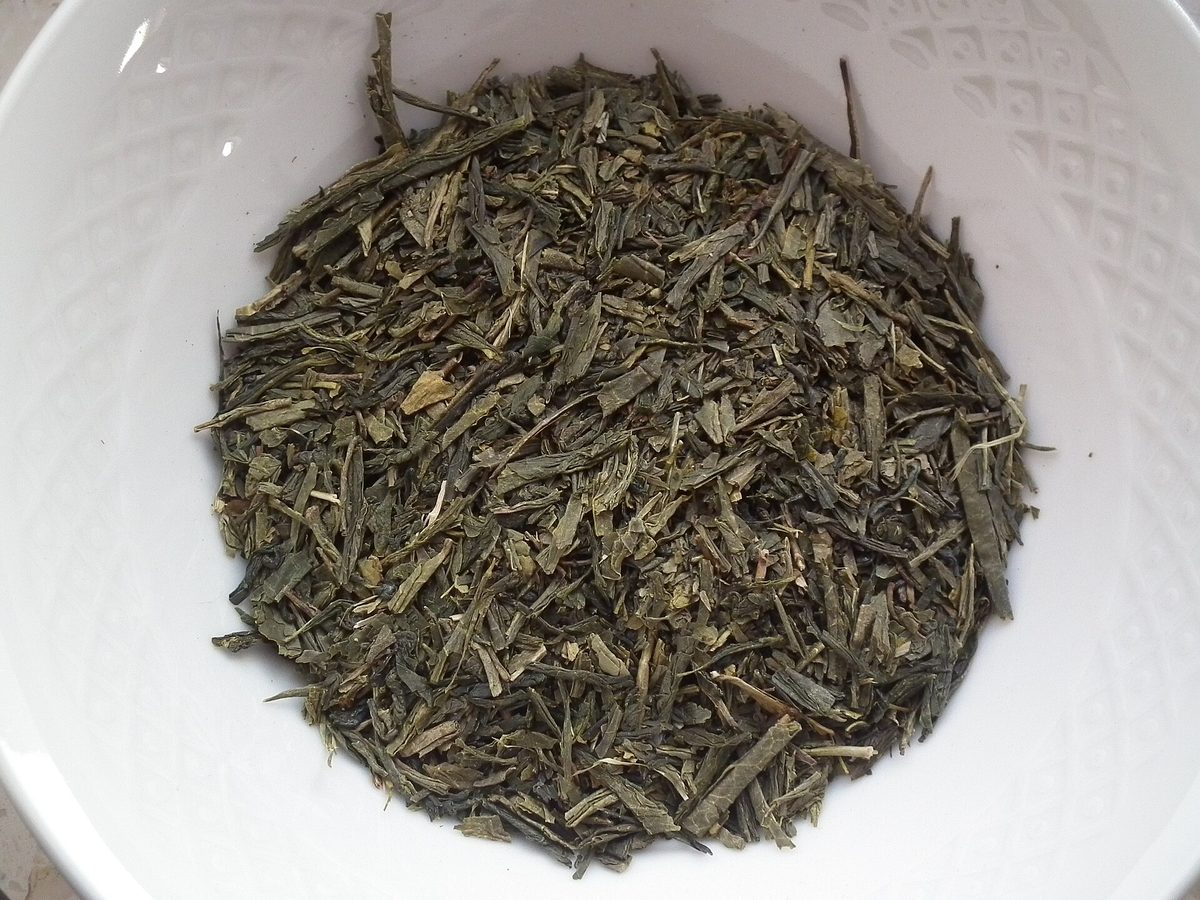
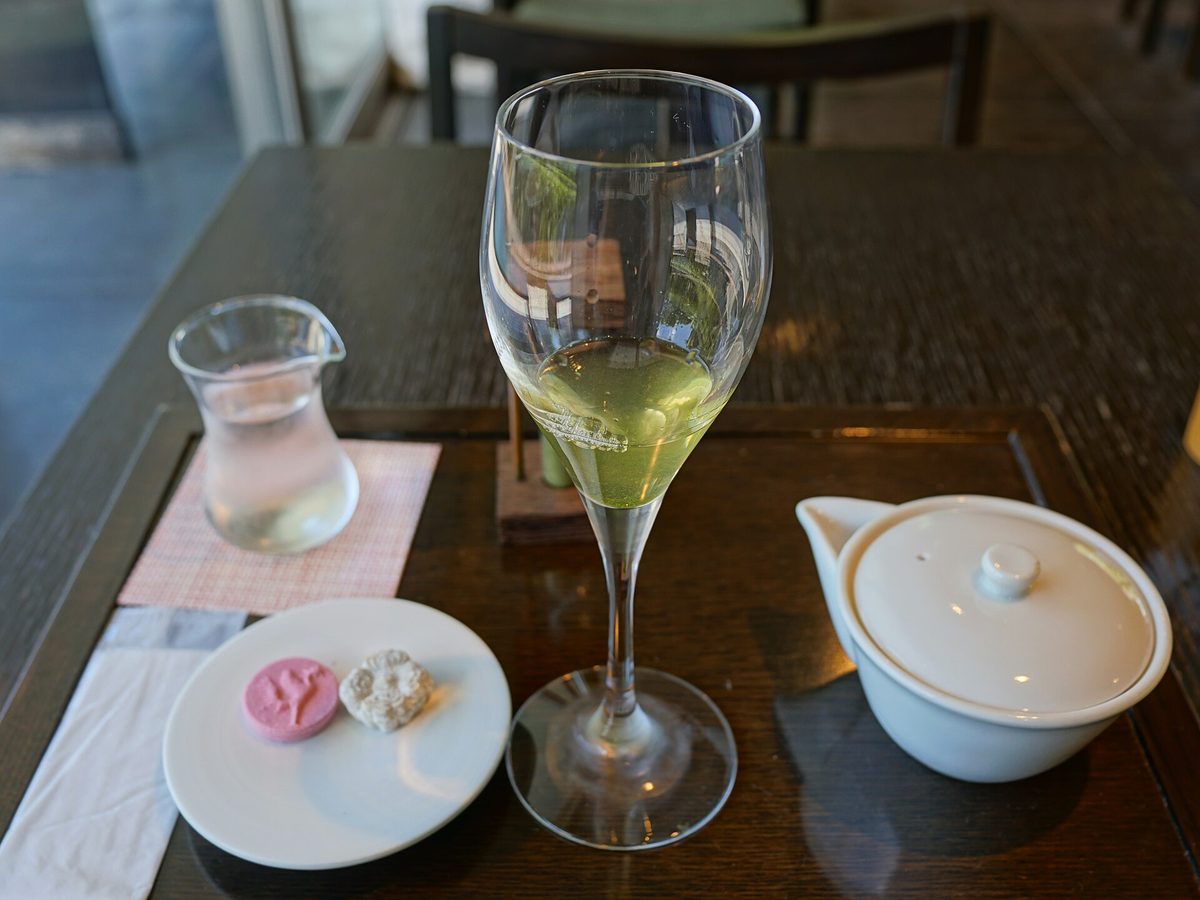
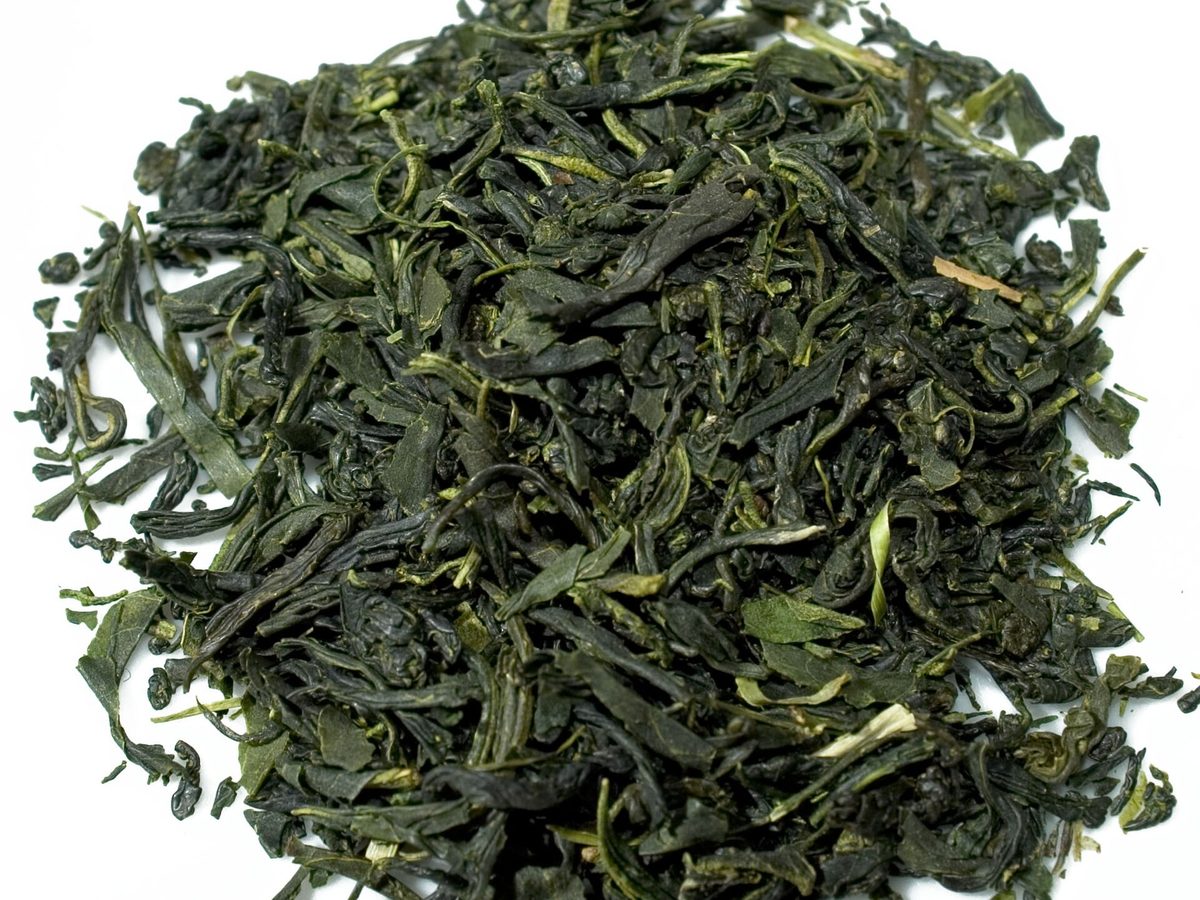
Side by Side
Want to see how Enshi Yulu compares?
Choose any tea and compare flavor, origin, caffeine, and brewing side by side.
The story of Enshi Yulu
Enshi Yulu is one of the few Chinese greens fixed with steam instead of a hot wok, which puts it stylistically closer to Japanese sencha than to almost any of its mainland peers. It comes from Enshi in Hubei, a mountainous prefecture home to Tujia and Miao communities, and the name is often rendered as Enshi Jade Dew.
Steam-fixing shows in everything. The leaf stays a vivid green, and the cup pours deep green and brothy, savory with umami, fresh steamed-vegetable notes, and a clean mineral finish. It is frequently compared to gyokuro, though it grows without shade and lands less intense. For a drinker curious about Japanese tea but loyal to Chinese leaf, it is a natural bridge. Expect around 20–40 mg of caffeine per cup. Brew about 3 g per 250 ml at 70–80°C for one to two minutes, and resteep two to three times. Water hotter than that pulls bitterness out of the steamed leaf faster than you might expect.
FAQ
Enshi Yulu Tea FAQ
Quick answers about Enshi Yulu tea, drawn from its flavor, origin, caffeine, and brewing profile.
What is Enshi Yulu tea?
Enshi Yulu is a Green Tea from Hubei (Enshi). It is also known as Enshi Jade Dew.
Does Enshi Yulu tea have caffeine?
Yes. Enshi Yulu is a medium-caffeine tea, typically 20–40 mg per brewed serving.
What does Enshi Yulu tea taste like?
Enshi Yulu is known for a profile led by Vegetal, Umami, and Fresh, with a medium body.
How do you brew Enshi Yulu tea?
Use about 3 g of tea per 250 ml of water at 70–80°C, steeping for 1–2 minutes. It can be re-steeped 2–3 times.
Is Enshi Yulu tea bitter?
Bitterness is not a defining note of Enshi Yulu; its profile centers on Vegetal, Umami, and Fresh.