Botanical Dossier
Longjing vs Song Luo
Longjing
Green Tea · China
Fresh · Nutty · Sweet
Song Luo
Green Tea · China
Grassy · Nutty · Roasted
| Attribute | Longjing | Song Luo |
|---|---|---|
| Type | Green Tea | Green Tea |
| Origin | China | China |
| Region | Zhejiang | Anhui (Huangshan) |
| Flavor | Fresh · Nutty · Sweet | Grassy · Nutty · Roasted |
| Body | Light | Medium |
| Caffeine | Medium (~20–45 mg) | Medium (~20–35 mg) |
| Oxidation | Low | None |
| Roast | Low | Low |
| Brewing temp | 80–85°C | 75–85°C |
| Steep time | 2–3 min | 1–2 min |
| Re-steep | 2–3 times | 2–3 times |
Sensory Dissection
Flavor
Longjing
Longjing is China's best-known green tea, prized for a fresh, nutty character with a gentle sweetness and a clean finish. The leaves are pan-fired in woks, which sets a toasted chestnut aroma that higher grades show alongside a soft, savory depth. The cup is smooth and rounded with almost no bitterness when brewed with cooler water.
Song Luo
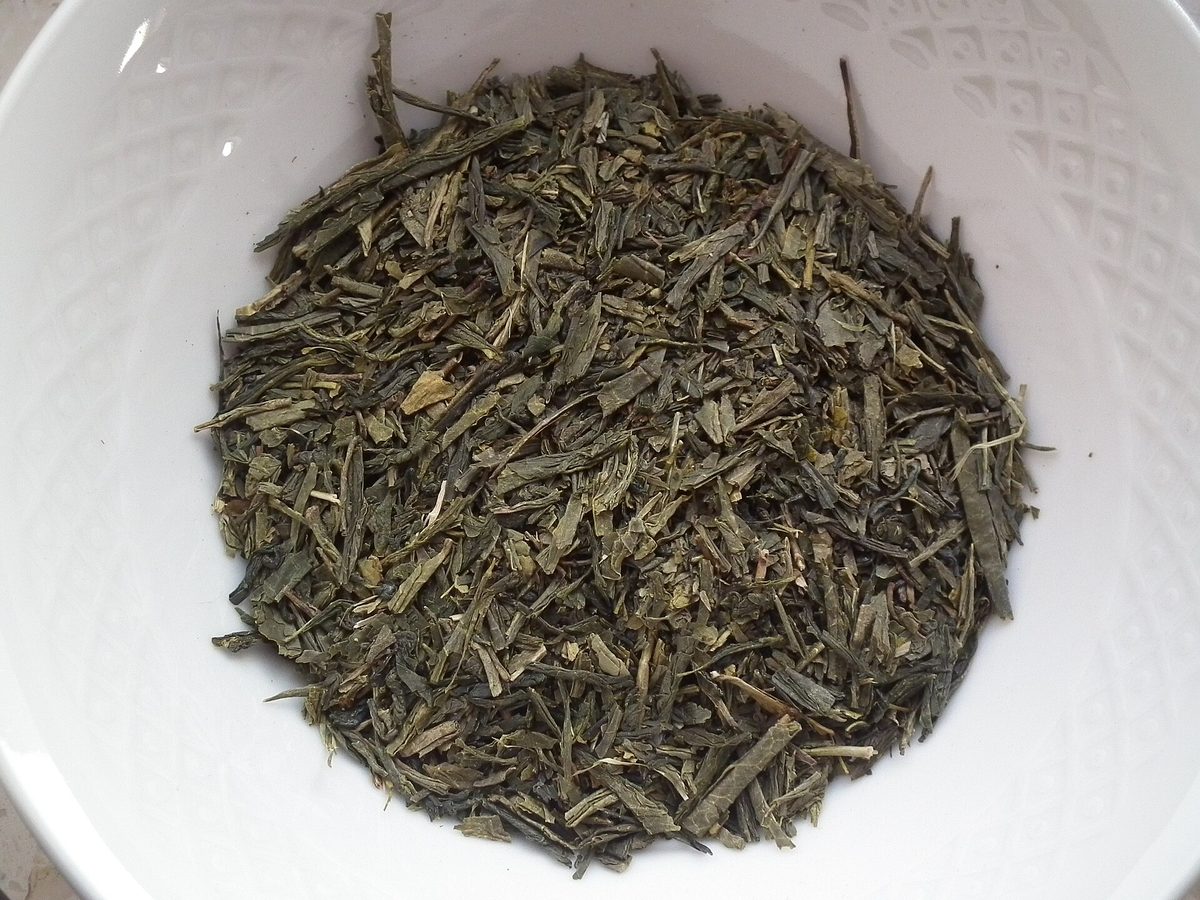
Song Luo is one of China's oldest named green teas, from the Huangshan mountains of Anhui. Its pan-firing and rolling technique, developed in the Ming dynasty, spread across China and is the ancestor of both Japanese sencha processing and many famous Chinese greens. The cup is fresh and grassy with toasted, nutty depth from the hot pan and a clean, slightly sweet finish. Leaves are rolled into tight curls that open slowly.
Preparation Protocol
Brewing
Longjing
- Water temperature
- 80–85°C
- Leaf to water
- 3g / 250ml
- Steep time
- 2–3 min
- Re-steep
- 2–3 times
Song Luo
- Water temperature
- 75–85°C
- Leaf to water
- 3g / 250ml
- Steep time
- 1–2 min
- Re-steep
- 2–3 times
Biochemistry
Caffeine
Longjing
Medium caffeine — roughly 20–45 mg per brewed serving
A moderate, steady lift without an intense spike.
Song Luo
Medium caffeine — roughly 20–35 mg per brewed serving
A moderate, steady lift without an intense spike.
Craft & Microclimate
Origin
Longjing
China · Zhejiang
Longjing is traditionally associated with the West Lake area of Hangzhou in Zhejiang province.
Song Luo
China · Anhui (Huangshan)
Song Luo's Ming-dynasty processing method spread to many regions; the monk method reached Japan in the 17th century, shaping sencha.
Curator's Recommendation
Which one might you prefer?
There is no superior tea here — only distinct sensory journeys. Use your flavor memory and current mood to choose.
Choose Longjing if you like:
- Fresh
- Nutty
- Sweet
Choose Song Luo if you like:
- Grassy
- Nutty
- Roasted
Keep Exploring
Related teas to explore
Similar teas from both sides of this comparison.