Sheng Pu-erh Tea
Raw Pu-erh
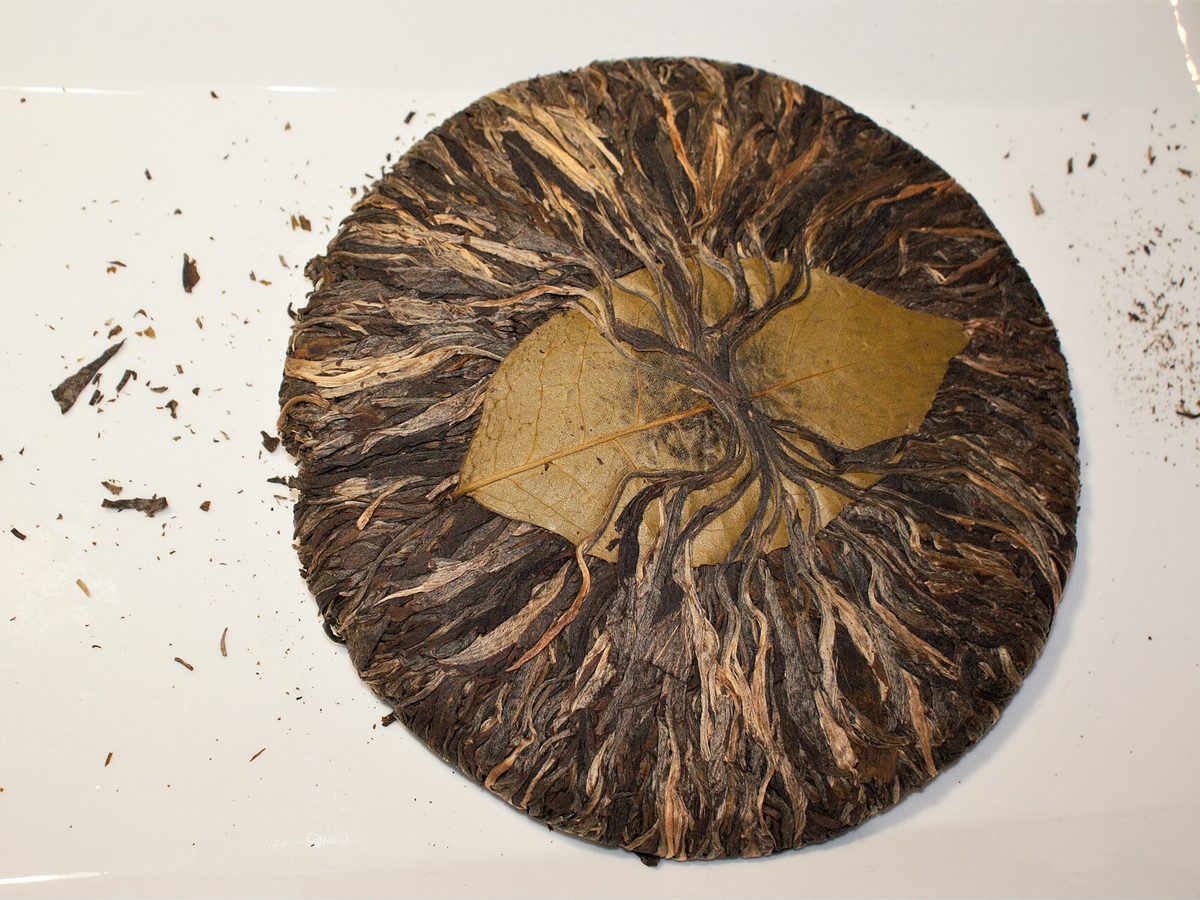
Sheng (raw) pu-erh is pressed from sun-dried Yunnan leaves and meant to age.
Flavor Profile
What does Sheng Pu-erh taste like?
Expect Earthy · Woody · Fruity — the bars rank each note's relative intensity, strongest first.
Bar length reflects the relative prominence of each flavor note (dominant first), not a laboratory measurement.
Origin
Yunnan, China
Sheng pu-erh is produced across Yunnan; Xishuangbanna and Lincang are core regions.
Where tea cultivation began; home to green, yellow, white, oolong, black, and dark styles across many provinces.
Brewing Guide
How to Brew Sheng Pu-erh
Brewing parameters are a starting point and can be adjusted to taste.
Caffeine
Caffeine in Sheng Pu-erh
Typical brewed serving
Sheng Pu-erh is a medium-caffeine pu-erh. A typical brewed serving contains about 20–40 mg of caffeine.
Values can vary depending on quantity, brewing time, serving size, and preparation method. Range assumes this tea's standard parameters: 5 g leaf to 250 ml water, steeped 0.5–1 min. Estimates, not lab measurements — see our sources & method.
Fit
Who is Sheng Pu-erh for?
Experienced drinkers
Better once you've explored a few teas — it rewards a little brewing attention.
When to drink it
Comfortable at any time of day.
Flavor direction
Medium-bodied, leads with earthy notes — a pu-erh with earthy, woody, fruity character.
Styles & Harvests
Styles of Sheng Pu-erh
Young Sheng
Bright, bitter, and aromatic within its first years.
Fruity · Floral · Mineral
Aged Sheng
Camphor, wood, and dried fruit after a decade or more.
Woody · Earthy · Sweet
Keep Exploring
If you like Sheng Pu-erh
Side by Side
Want to see how Sheng Pu-erh compares?
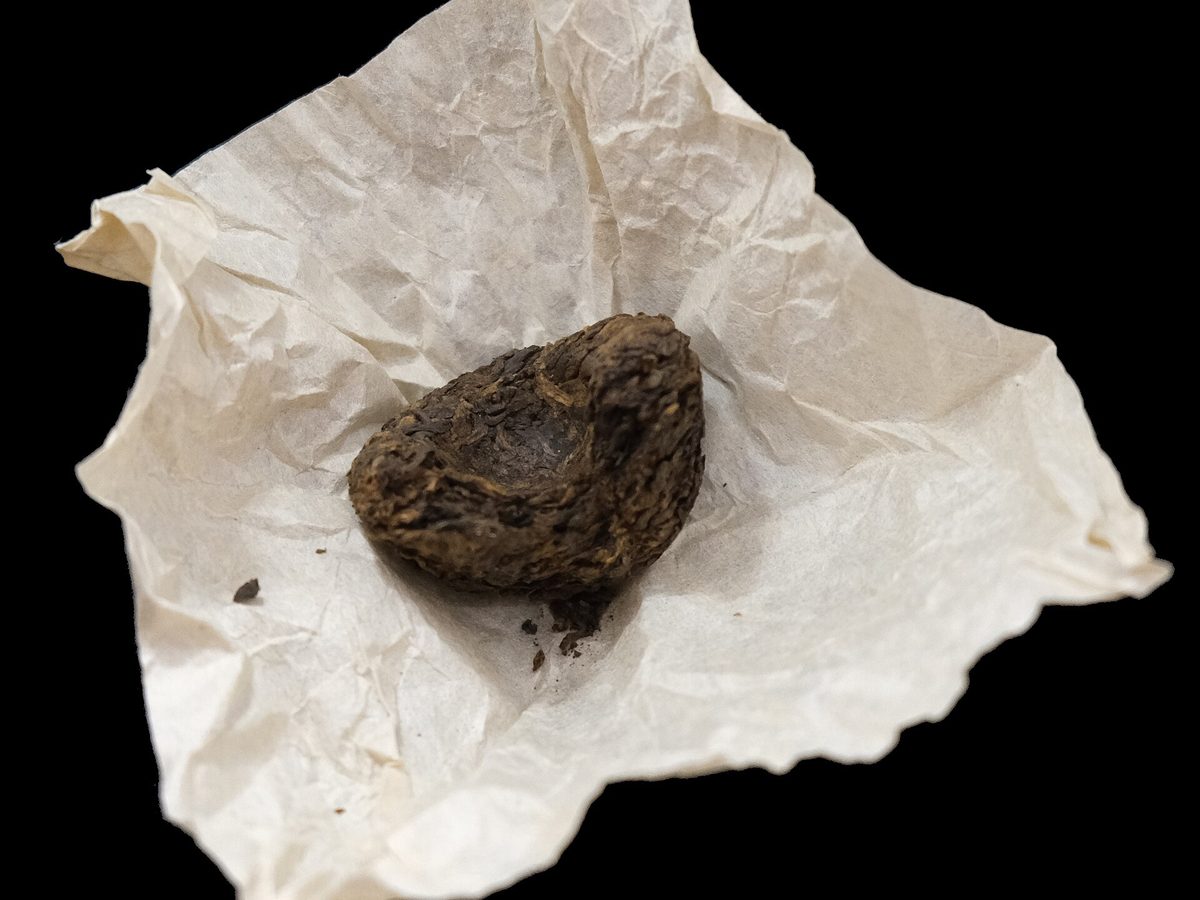
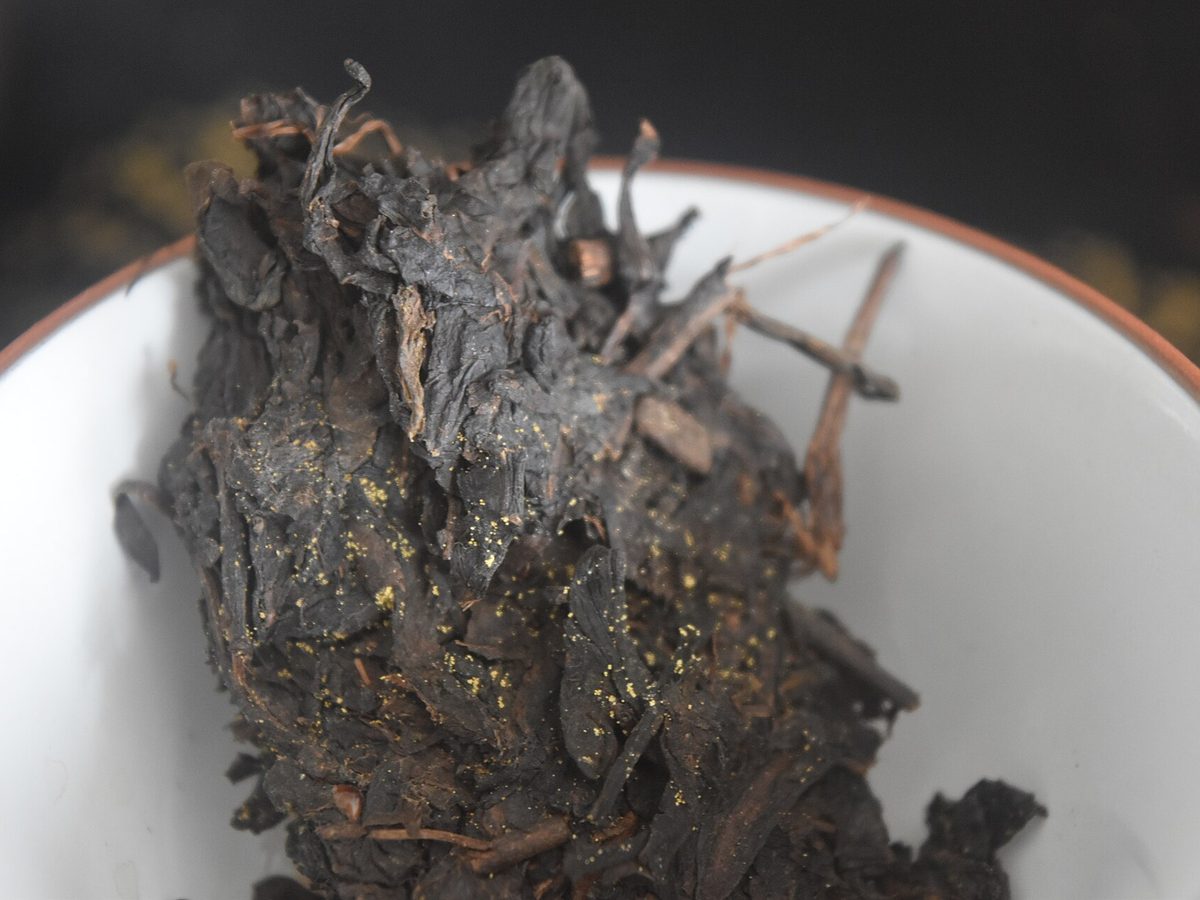
Put Sheng Pu-erh next to Shu Pu-erh and compare flavor, origin, caffeine, and brewing side by side.
The story of Sheng Pu-erh
Sheng (raw) pu-erh is tea as a long-term project. Leaves from Yunnan's large-leaf assamica trees — grown across Xishuangbanna and Lincang — are withered, pan-fired, sun-dried, and pressed into cakes or bricks, then left to age. Young sheng is bright, bitter, and intensely aromatic, with floral and stone-fruit edges. Over years it slowly darkens toward camphor, old wood, and dried apricot, developing the cooling, mineral finish collectors prize.
Brew it hot and bold: about 5 grams per 250 ml with water at a full boil, steeps of well under a minute, and expect six to ten infusions as the tightly pressed leaves open. A quick rinse helps. Young sheng can punish sloppy brewing with harsh bitterness, so short steeps matter more than with most teas.
Buying sheng means choosing between factory blends and single-origin cakes from named mountains, each with its own reputation and price tier. Store cakes in a dry, odor-free place with some air circulation — not airtight plastic, which stalls aging. If you want the aged flavor without waiting, well-stored older cakes exist, but they cost considerably more.
FAQ
Sheng Pu-erh Tea FAQ
Quick answers about Sheng Pu-erh tea, drawn from its flavor, origin, caffeine, and brewing profile.
What is Sheng Pu-erh tea?
Sheng Pu-erh is a Pu-erh from Yunnan. It is also known as Raw Pu-erh.
Does Sheng Pu-erh tea have caffeine?
Yes. Sheng Pu-erh is a medium-caffeine tea, typically 20–40 mg per brewed serving.
What does Sheng Pu-erh tea taste like?
Sheng Pu-erh is known for a profile led by Earthy, Woody, and Fruity, with a medium body.
How do you brew Sheng Pu-erh tea?
Use about 5 g of tea per 250 ml of water at 95–100°C, steeping for 0.5–1 minutes. It can be re-steeped 6–10 times.
Is Sheng Pu-erh tea bitter?
Sheng Pu-erh can show bitterness, especially when young — bitter is one of its listed flavor notes alongside Earthy and Woody.