Kamairicha Tea
Kamairicha is a pan-fired Japanese green from Kyushu, made in woks like Chinese teas instead of being steamed.
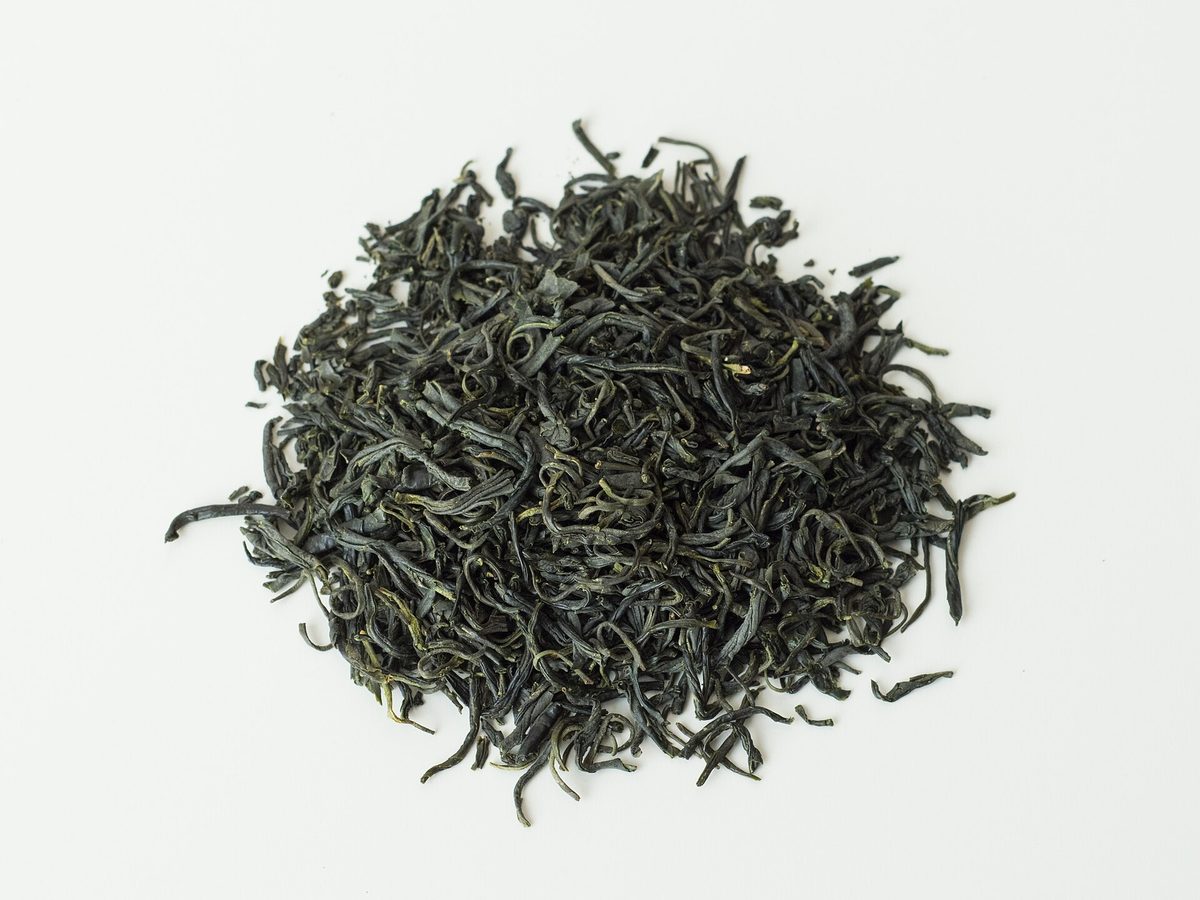
Flavor Profile
What does Kamairicha taste like?
Expect Roasted · Nutty · Sweet — the bars rank each note's relative intensity, strongest first.
Bar length reflects the relative prominence of each flavor note (dominant first), not a laboratory measurement.
Origin
Kyushu (Saga), Japan
Kamairicha is centered on Ureshino in Saga prefecture, Kyushu.
Known for steamed green teas, shade-grown umami, and powdered matcha.
Brewing Guide
How to Brew Kamairicha
Brewing parameters are a starting point and can be adjusted to taste.
Caffeine
Caffeine in Kamairicha
Typical brewed serving
Kamairicha is a low-caffeine green tea. A typical brewed serving contains about 10–25 mg of caffeine.
Values can vary depending on quantity, brewing time, serving size, and preparation method. Range assumes this tea's standard parameters: 3 g leaf to 250 ml water, steeped 1–2 min. Estimates, not lab measurements — see our sources & method.
Fit
Who is Kamairicha for?
New to tea?
A friendly starting point — forgiving to brew and easy to enjoy on the first cup.
When to drink it
Gentle enough for late afternoons and evenings.
Flavor direction
Light-bodied, leads with roasted notes — a green tea with roasted, nutty, sweet character.
Keep Exploring
If you like Kamairicha
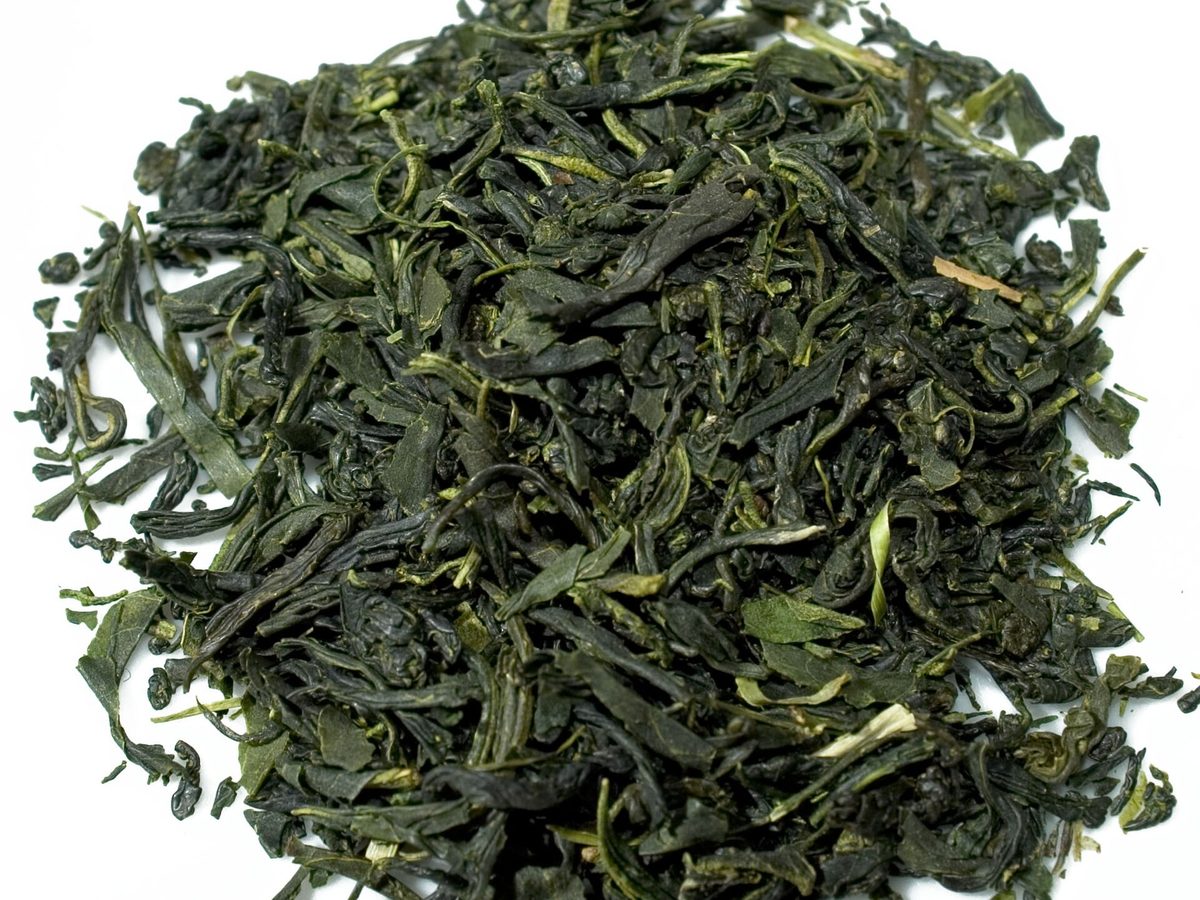
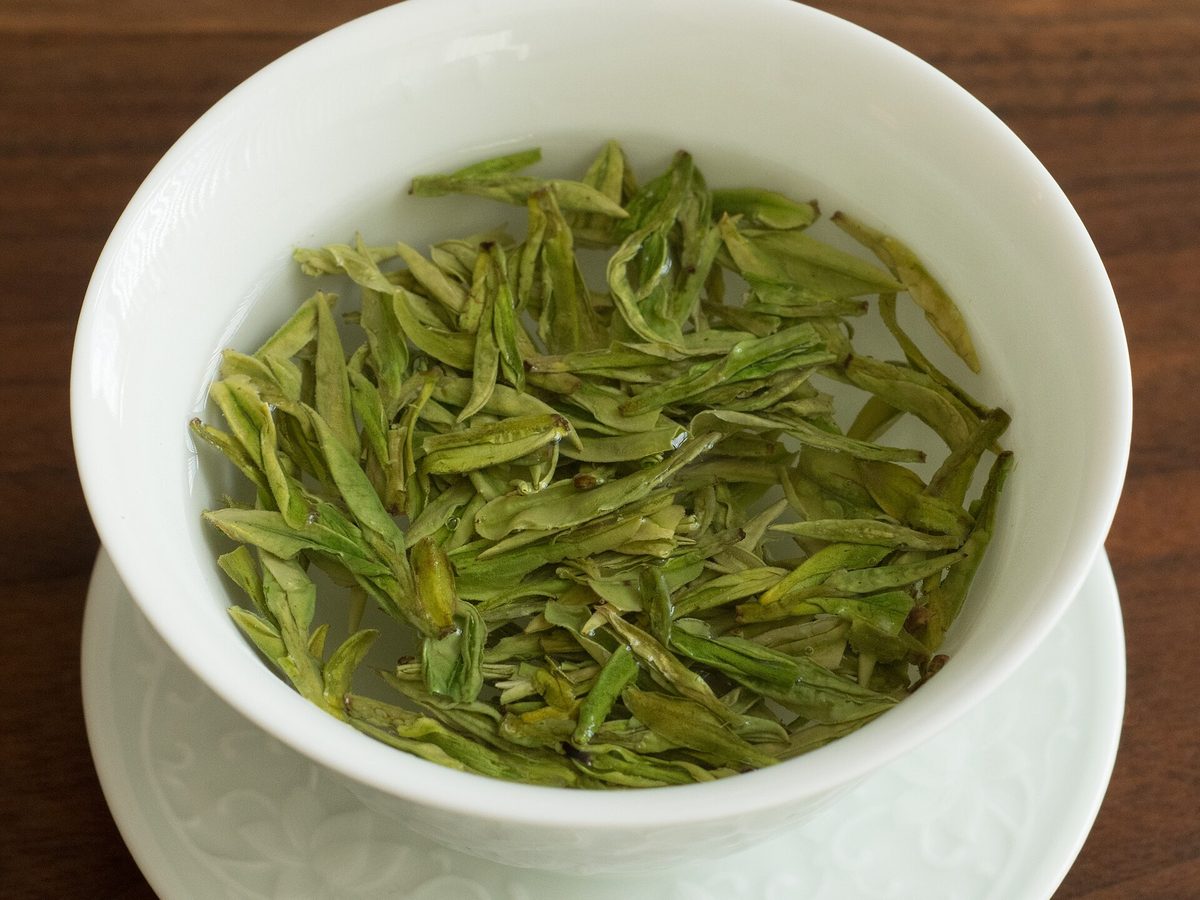
Side by Side
Want to see how Kamairicha compares?
Choose any tea and compare flavor, origin, caffeine, and brewing side by side.
The story of Kamairicha
Most Japanese green tea is fixed by steam, which is part of what gives sencha its marine edge. Kamairicha takes the other road: the leaves are pan-fired in woks, much as they are for Chinese greens. That single difference defines the tea. Kamairicha is centered on the Ureshino area of Saga prefecture in Kyushu, where the tradition has deep roots.
In the cup the contrast is immediate. Where steamed greens can taste of sea and spinach, kamairicha runs smooth and warm, with toasty grain and chestnut sweetness and none of that marine sharpness. Compared side by side with sencha it reads closer to a Chinese green, which makes it one of the most instructive comparisons a curious drinker can make. It is also gentle on caffeine, roughly 10–25 mg per cup. Brew about 3 g per 250 ml at 75–85°C for one to two minutes, and resteep two to three times. The toasty sweetness holds up well across infusions without turning bitter.
FAQ
Kamairicha Tea FAQ
Quick answers about Kamairicha tea, drawn from its flavor, origin, caffeine, and brewing profile.
What is Kamairicha tea?
Kamairicha is a Green Tea from Kyushu (Saga).
Does Kamairicha tea have caffeine?
Yes. Kamairicha is a low-caffeine tea, typically 10–25 mg per brewed serving.
What does Kamairicha tea taste like?
Kamairicha is known for a profile led by Roasted, Nutty, and Sweet, with a light body.
How do you brew Kamairicha tea?
Use about 3 g of tea per 250 ml of water at 75–85°C, steeping for 1–2 minutes. It can be re-steeped 2–3 times.
Is Kamairicha tea bitter?
Bitterness is not a defining note of Kamairicha; its profile centers on Roasted, Nutty, and Sweet.