Botanical Dossier
Gyokuro vs Kabusecha
Gyokuro
Green Tea · Japan
Umami · Sweet · Vegetal
Kabusecha
Green Tea · Japan
Umami · Smooth · Sweet
| Attribute | Gyokuro | Kabusecha |
|---|---|---|
| Type | Green Tea | Green Tea |
| Origin | Japan | Japan |
| Region | Uji | Kyoto (Uji) |
| Flavor | Umami · Sweet · Vegetal | Umami · Smooth · Sweet |
| Body | Medium | Medium |
| Caffeine | High (~60–120 mg) | Medium (~20–40 mg) |
| Oxidation | None | None |
| Roast | None | None |
| Brewing temp | 50–60°C | 70–80°C |
| Steep time | 1–2 min | 1–2 min |
| Re-steep | 2–3 times | 2–3 times |
Sensory Dissection
Flavor
Gyokuro
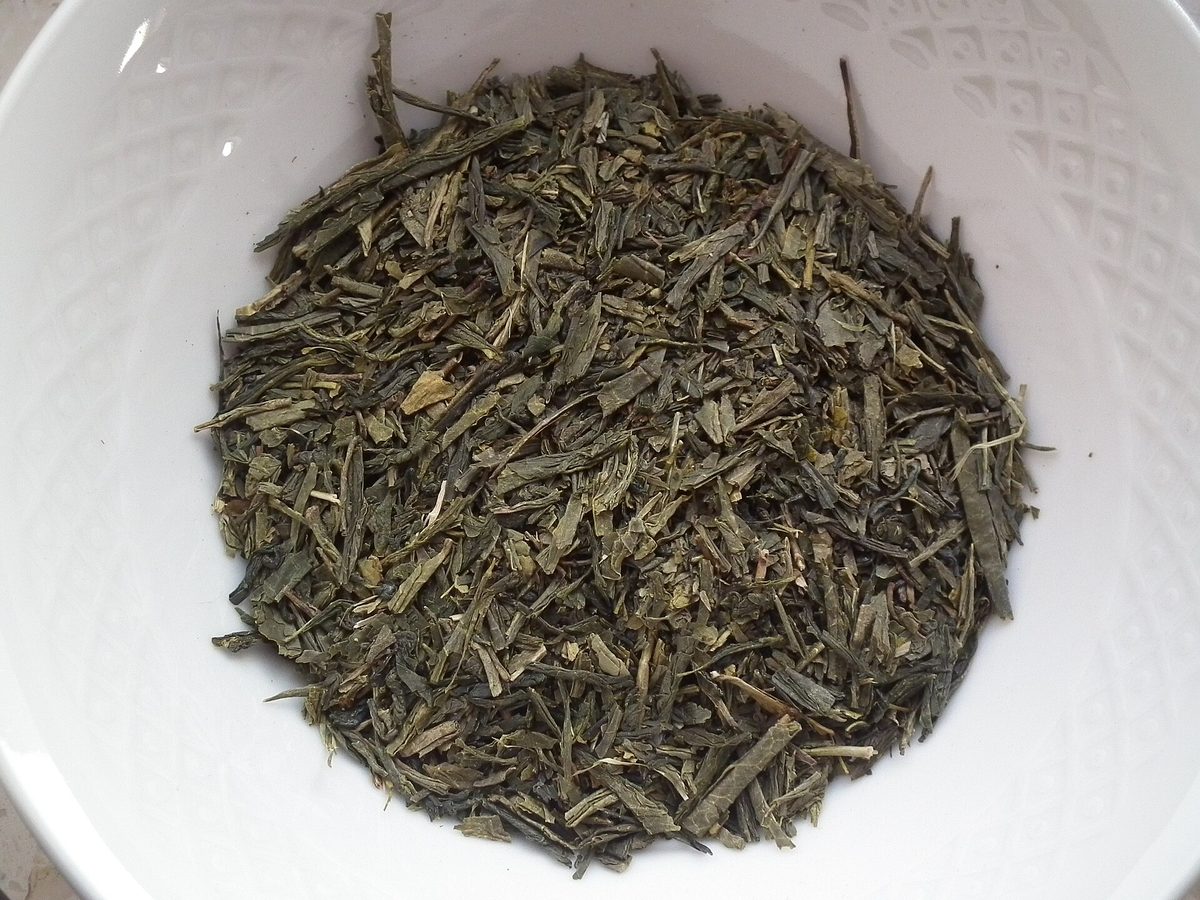
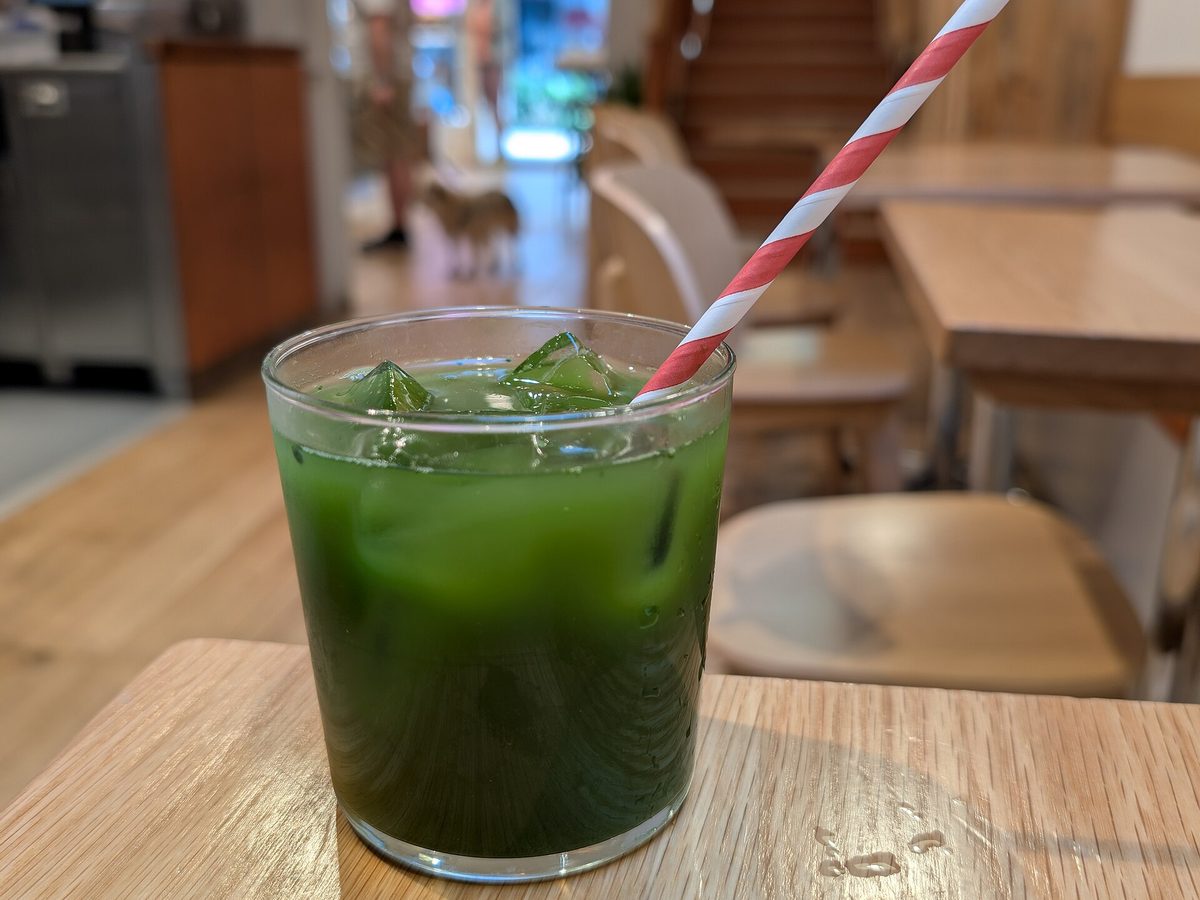
Gyokuro is shade-grown for several weeks before harvest, pushing the plant toward deep umami and a jade-green infusion. The cup is thick, sweet, and intensely savory — almost like light dashi — with a smooth, lingering finish and very little bitterness when brewed cool. Its high theanine content gives a calm, focused character. Gyokuro is one of Japan's most refined and expensive green teas.
Kabusecha
Kabusecha sits between sencha and gyokuro: the bushes are shaded for roughly a week before harvest, softening the astringency and deepening the umami. The cup is smooth and rounded with a clear sweet-savory balance, gentle grassy freshness, and less bite than regular sencha. It suits drinkers who find gyokuro too intense but want more depth than everyday sencha.
Preparation Protocol
Brewing
Gyokuro
- Water temperature
- 50–60°C
- Leaf to water
- 3g / 100ml
- Steep time
- 1–2 min
- Re-steep
- 2–3 times
Kabusecha
- Water temperature
- 70–80°C
- Leaf to water
- 3g / 250ml
- Steep time
- 1–2 min
- Re-steep
- 2–3 times
Biochemistry
Caffeine
Gyokuro
High caffeine — roughly 60–120 mg per brewed serving
A noticeable lift — best earlier in the day.
Kabusecha
Medium caffeine — roughly 20–40 mg per brewed serving
A moderate, steady lift without an intense spike.
Craft & Microclimate
Origin
Gyokuro
Japan · Uji
Uji, near Kyoto, is the historic home of gyokuro and Japan's shaded-tea tradition.
Kabusecha
Japan · Kyoto (Uji)
Kabusecha is shade-grown for about 7–10 days, shorter than gyokuro's 20+ days, and is produced mainly in Uji and Kagoshima.
Curator's Recommendation
Which one might you prefer?
There is no superior tea here — only distinct sensory journeys. Use your flavor memory and current mood to choose.
Choose Gyokuro if you like:
- Umami
- Sweet
- Vegetal
Choose Kabusecha if you like:
- Umami
- Smooth
- Sweet
Keep Exploring
Related teas to explore
Similar teas from both sides of this comparison.