Botanical Dossier
Fengqing vs Wuliangshan Sheng
Fengqing
Pu-erh · China
Fruity · Honeyed · Bold
Wuliangshan Sheng
Pu-erh · China
Floral · Mineral · Honeyed
| Attribute | Fengqing | Wuliangshan Sheng |
|---|---|---|
| Type | Pu-erh | Pu-erh |
| Origin | China | China |
| Region | Yunnan (Lincang) | Yunnan (Pu'er / Dali border) |
| Flavor | Fruity · Honeyed · Bold | Floral · Mineral · Honeyed |
| Body | Strong | Medium |
| Caffeine | Medium (~30–60 mg) | Medium (~30–55 mg) |
| Oxidation | Low | Low |
| Roast | None | None |
| Brewing temp | 90–95°C | 90–95°C |
| Steep time | 0.5–1 min | 0.5–1 min |
| Re-steep | 6–8 times | 6–8 times |
Sensory Dissection
Flavor
Fengqing
Fengqing county in Lincang is one of Yunnan's great tea heartlands — the birthplace of the Yunnan large-leaf cultivar used for both Dianhong and pu-erh. Fengqing sheng is characteristically bold: stone-fruit and honeyed notes over a malty, muscular body with more astringency than southern Yunnan teas. It ages into deep dried-fruit and camphor character, and young Fengqing makes a sturdy everyday sheng.
Wuliangshan Sheng
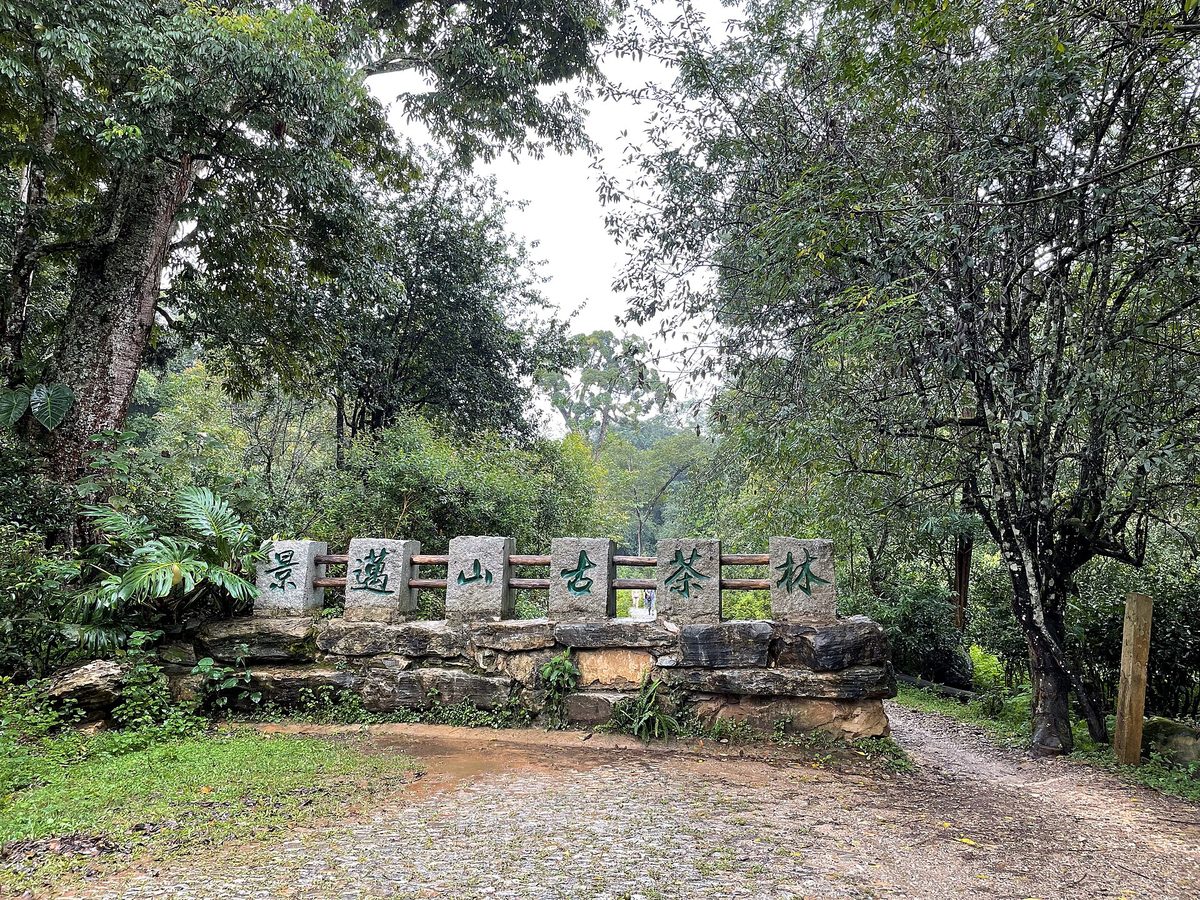
Wuliangshan sheng comes from the Wuliang mountains of central Yunnan, part of the vast tea-growing belt between Pu'er and Dali. The region's high-elevation old-growth gardens produce sheng with a fragrant, high-pitched profile: floral and honeyed up front, with a clear mineral structure and a sweet, cooling finish. Compared with Xishuangbanna teas, Wuliangshan sheng often feels cleaner and more aromatic than dense.
Preparation Protocol
Brewing
Fengqing
- Water temperature
- 90–95°C
- Leaf to water
- 5g / 250ml
- Steep time
- 0.5–1 min
- Re-steep
- 6–8 times
Wuliangshan Sheng
- Water temperature
- 90–95°C
- Leaf to water
- 5g / 250ml
- Steep time
- 0.5–1 min
- Re-steep
- 6–8 times
Biochemistry
Caffeine
Fengqing
Medium caffeine — roughly 30–60 mg per brewed serving
A moderate, steady lift without an intense spike.
Wuliangshan Sheng
Medium caffeine — roughly 30–55 mg per brewed serving
A moderate, steady lift without an intense spike.
Craft & Microclimate
Origin
Fengqing
China · Yunnan (Lincang)
Fengqing, in Lincang prefecture, is credited as the origin of Yunnan large-leaf assamica tea and modern Dianhong production (1938).
Wuliangshan Sheng
China · Yunnan (Pu'er / Dali border)
The Wuliang mountains, home to protected ancient tea forests, stretch across Pu'er and Dali prefectures in central Yunnan.
Curator's Recommendation
Which one might you prefer?
There is no superior tea here — only distinct sensory journeys. Use your flavor memory and current mood to choose.
Choose Fengqing if you like:
- Fruity
- Honeyed
- Bold
Choose Wuliangshan Sheng if you like:
- Floral
- Mineral
- Honeyed
Keep Exploring
Related teas to explore
Similar teas from both sides of this comparison.