Lao Ban Zhang Tea
Old Ban Zhang · Ban Zhang Sheng
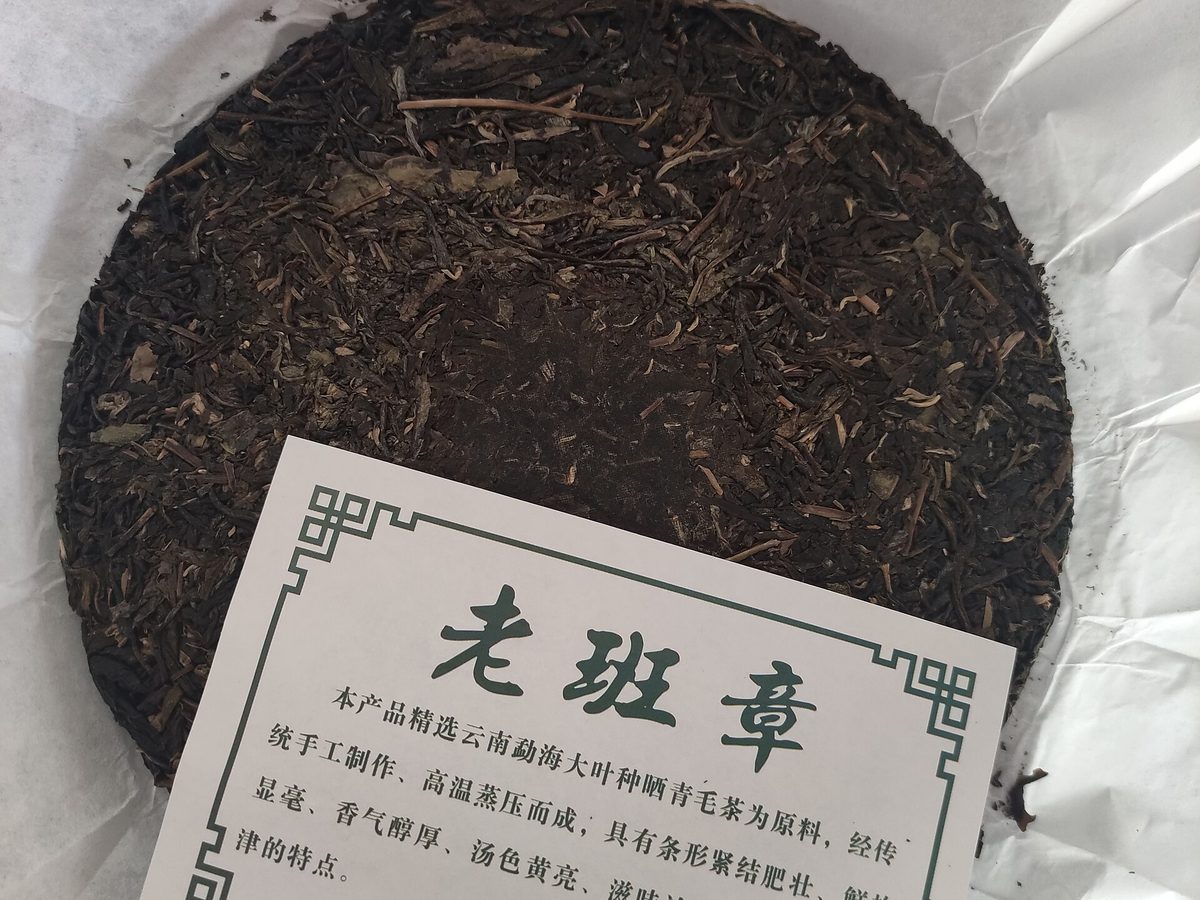
Lao Ban Zhang is the most famous — and most counterfeited — village in pu-erh, on Bulang mountain.
Flavor Profile
What does Lao Ban Zhang taste like?
Expect Bitter · Honeyed · Floral — the bars rank each note's relative intensity, strongest first.
Bar length reflects the relative prominence of each flavor note (dominant first), not a laboratory measurement.
Origin
Yunnan (Bulang), China
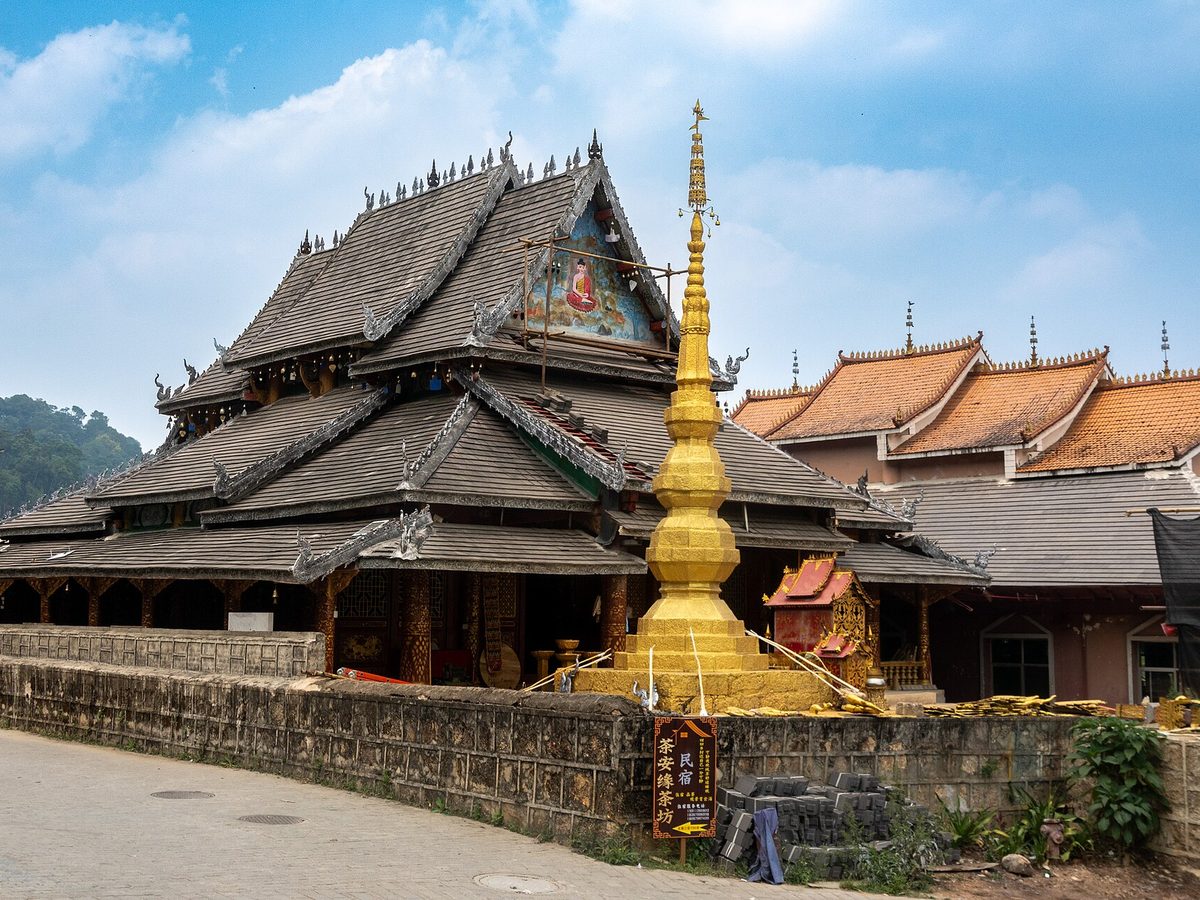
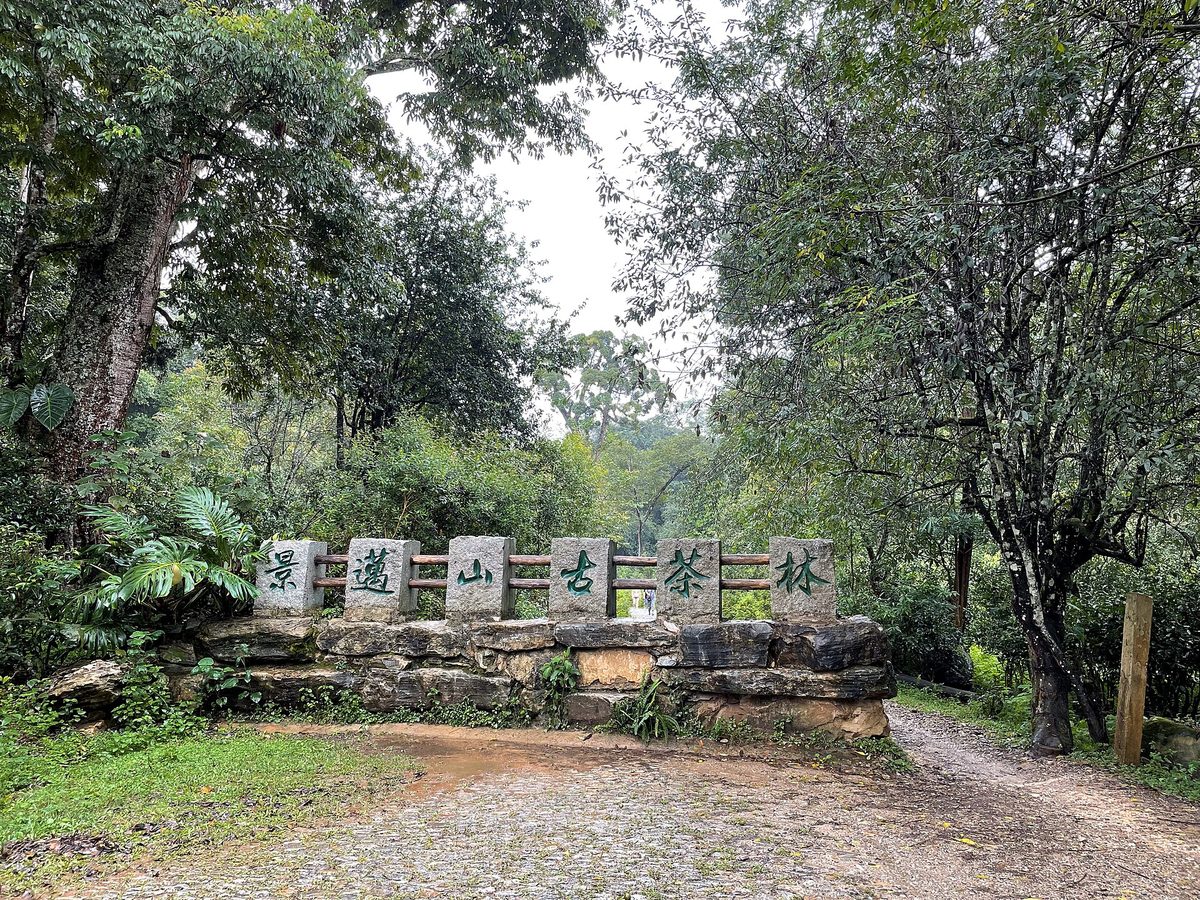
Lao Ban Zhang village sits high on Bulang mountain in Menghai county, Yunnan.
Where tea cultivation began; home to green, yellow, white, oolong, black, and dark styles across many provinces.
Brewing Guide
How to Brew Lao Ban Zhang
Brewing parameters are a starting point and can be adjusted to taste.
Caffeine
Caffeine in Lao Ban Zhang
Typical brewed serving
Lao Ban Zhang is a high-caffeine pu-erh. A typical brewed serving contains about 40–70 mg of caffeine.
Values can vary depending on quantity, brewing time, serving size, and preparation method. Range assumes this tea's standard parameters: 5 g leaf to 250 ml water, steeped 0.5–1 min. Estimates, not lab measurements — see our sources & method.
Fit
Who is Lao Ban Zhang for?
Experienced drinkers
Better once you've explored a few teas — it rewards a little brewing attention.
When to drink it
A proper lift — most at home in the morning.
Flavor direction
Full-bodied, leads with bitter notes — a pu-erh with bitter, honeyed, floral character.
Keep Exploring
If you like Lao Ban Zhang
Side by Side
Want to see how Lao Ban Zhang compares?
Choose any tea and compare flavor, origin, caffeine, and brewing side by side.
The story of Lao Ban Zhang
Few tea names carry as much weight — and as much counterfeiting — as Lao Ban Zhang. The village sits high on Bulang mountain in Menghai county, Yunnan, and its raw pu-erh defines the region's powerful style: intense bitterness up front that resolves into deep, lingering returning sweetness, a thick body, and a pungent orchid-and-honey aroma.
This is demanding tea when young, and it is built for decades of aging rather than immediate comfort. Brew it like other sheng — 5 g per 250 ml at 95–100°C, steeps of 30 seconds to a minute — but expect a firmer ride and plan for eight to twelve infusions as the leaf unfolds. Caffeine runs higher here, roughly 40–70 mg per cup, so morning sessions make sense. Because genuine Ban Zhang leaf is extremely limited, buy only from trusted sources and treat implausibly cheap cakes with suspicion.
Lao Ban Zhang rewards patience twice over: in the cup, where bitterness converts to sweetness, and in the cabinet, where time trades force for camphor and depth.
FAQ
Lao Ban Zhang Tea FAQ
Quick answers about Lao Ban Zhang tea, drawn from its flavor, origin, caffeine, and brewing profile.
What is Lao Ban Zhang tea?
Lao Ban Zhang is a Pu-erh from Yunnan (Bulang). It is also known as Old Ban Zhang and Ban Zhang Sheng.
Does Lao Ban Zhang tea have caffeine?
Yes. Lao Ban Zhang is a high-caffeine tea, typically 40–70 mg per brewed serving.
What does Lao Ban Zhang tea taste like?
Lao Ban Zhang is known for a profile led by Bitter, Honeyed, and Floral, with a strong body.
How do you brew Lao Ban Zhang tea?
Use about 5 g of tea per 250 ml of water at 95–100°C, steeping for 0.5–1 minutes. It can be re-steeped 8–12 times.
Is Lao Ban Zhang tea bitter?
Lao Ban Zhang can show bitterness, especially when young — bitter is one of its listed flavor notes alongside Honeyed and Floral.