Darjeeling White Tea
Darjeeling Silver Needle · Darjeeling White Tea
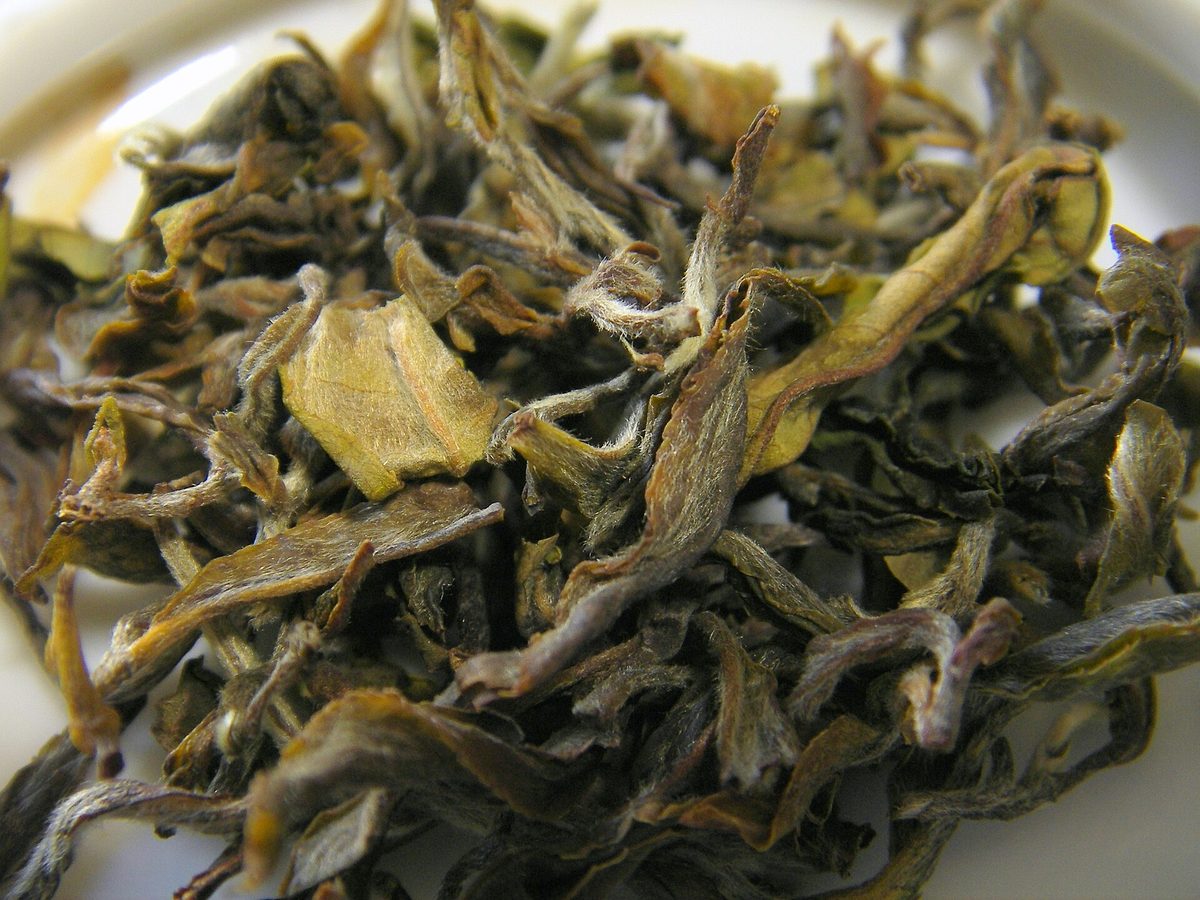
Darjeeling white tea is hand-plucked from Himalayan gardens, usually just the silvery buds and youngest leaves.
Flavor Profile
What does Darjeeling White taste like?
Expect Fruity · Floral · Fresh — the bars rank each note's relative intensity, strongest first.
Bar length reflects the relative prominence of each flavor note (dominant first), not a laboratory measurement.
Origin
West Bengal, India
Darjeeling white tea comes from select high-elevation gardens in India's West Bengal.
Home of Assam and Darjeeling, two of the world's most famous black teas.
Brewing Guide
How to Brew Darjeeling White
Brewing parameters are a starting point and can be adjusted to taste.
Caffeine
Caffeine in Darjeeling White
Typical brewed serving
Darjeeling White is a medium-caffeine white tea. A typical brewed serving contains about 25–45 mg of caffeine.
Values can vary depending on quantity, brewing time, serving size, and preparation method. Range assumes this tea's standard parameters: 3 g leaf to 250 ml water, steeped 2–3 min. Estimates, not lab measurements — see our sources & method.
Fit
Who is Darjeeling White for?
Experienced drinkers
Better once you've explored a few teas — it rewards a little brewing attention.
When to drink it
Comfortable at any time of day.
Flavor direction
Light-bodied, leads with fruity notes — a white tea with fruity, floral, fresh character.
Keep Exploring
If you like Darjeeling White
Side by Side
Want to see how Darjeeling White compares?
Put Darjeeling White next to Darjeeling and compare flavor, origin, caffeine, and brewing side by side.
The story of Darjeeling White
High in the foothills of West Bengal, where gardens climb into cool Himalayan air, Darjeeling's white teas are picked with unusual restraint: often just the silvery buds and the one youngest leaf, set aside in small lots from select gardens and harvests. Production is limited by design — there is simply not much of this leaf to go around — which is part of why genuine Darjeeling white carries a collector's aura among Indian teas.
The cup reads unmistakably Darjeeling: delicate and bright, muscatel grape and fresh florals riding a crisp, light body that finishes clean. Against Chinese whites it is more aromatic and brisk, trading honeyed roundness for high-grown sparkle. It is also the least forgiving tea in this family — the loose, minimally handled leaves punish boiling water and long steeps. Use 80–85 °C water, keep infusions short, and expect two or three gentle rounds. Drinkers who find it elusive at first often come to regard that bright, lifted character as the whole point of the style.
FAQ
Darjeeling White Tea FAQ
Quick answers about Darjeeling White tea, drawn from its flavor, origin, caffeine, and brewing profile.
What is Darjeeling White tea?
Darjeeling White is a White Tea from West Bengal. It is also known as Darjeeling Silver Needle and Darjeeling White Tea.
Does Darjeeling White tea have caffeine?
Yes. Darjeeling White is a medium-caffeine tea, typically 25–45 mg per brewed serving.
What does Darjeeling White tea taste like?
Darjeeling White is known for a profile led by Fruity, Floral, and Fresh, with a light body.
How do you brew Darjeeling White tea?
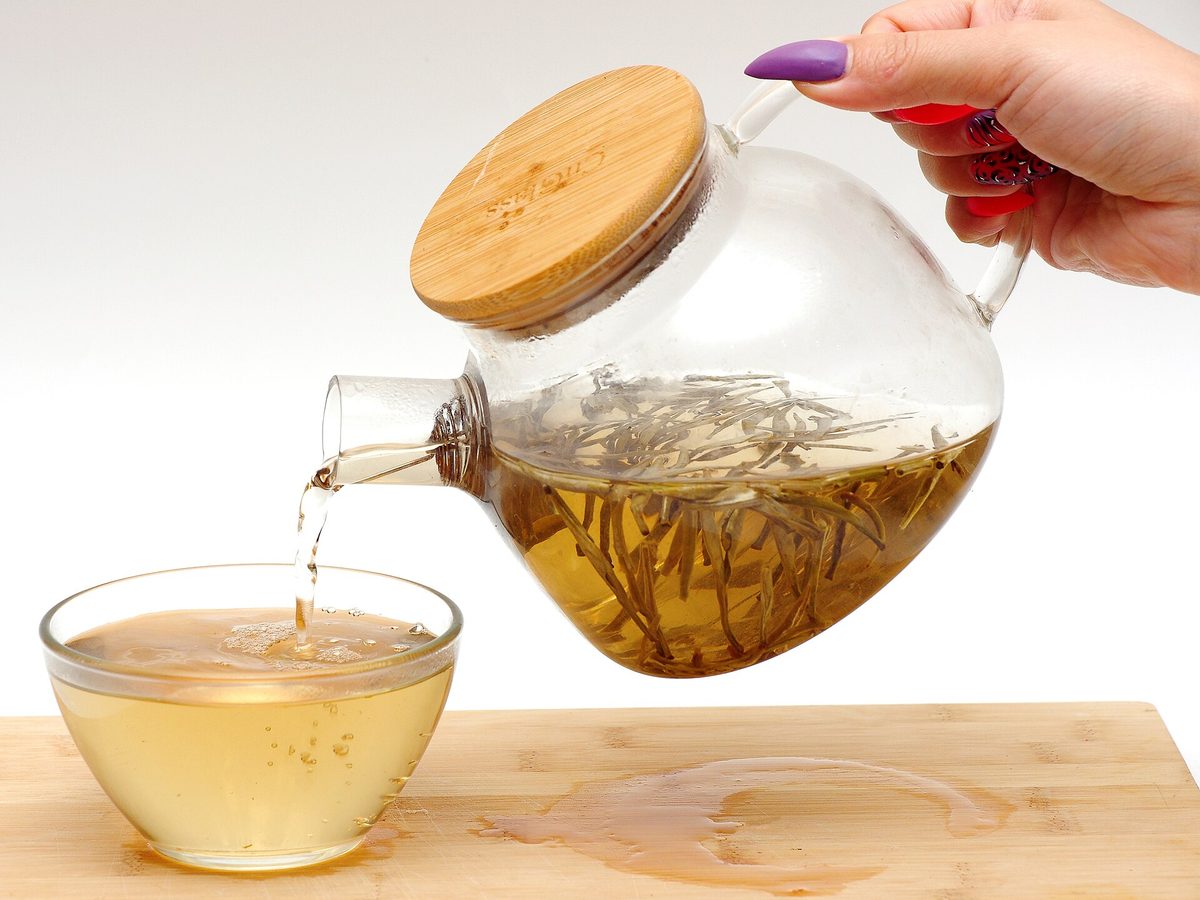
Use about 3 g of tea per 250 ml of water at 80–85°C, steeping for 2–3 minutes. It can be re-steeped 2–3 times.
Is Darjeeling White tea bitter?
Bitterness is not a defining note of Darjeeling White; its profile centers on Fruity, Floral, and Fresh.