Chun Mee Tea
Chun Mei · Precious Eyebrows
Chun Mee is a Chinese green rolled into small curved shapes, famously exported to North Africa.

Flavor Profile
What does Chun Mee taste like?
Expect Grassy · Fruity · Vegetal — the bars rank each note's relative intensity, strongest first.
Bar length reflects the relative prominence of each flavor note (dominant first), not a laboratory measurement.
Origin
Jiangxi, China
Chun Mee is produced mainly in Jiangxi and neighboring provinces for export markets.
Where tea cultivation began; home to green, yellow, white, oolong, black, and dark styles across many provinces.
Brewing Guide
How to Brew Chun Mee
Brewing parameters are a starting point and can be adjusted to taste.
Caffeine
Caffeine in Chun Mee
Typical brewed serving
Chun Mee is a medium-caffeine green tea. A typical brewed serving contains about 25–45 mg of caffeine.
Values can vary depending on quantity, brewing time, serving size, and preparation method. Range assumes this tea's standard parameters: 3 g leaf to 250 ml water, steeped 2–3 min. Estimates, not lab measurements — see our sources & method.
Fit
Who is Chun Mee for?
New to tea?
A friendly starting point — forgiving to brew and easy to enjoy on the first cup.
When to drink it
Comfortable at any time of day.
Flavor direction
Medium-bodied, leads with grassy notes — a green tea with grassy, fruity, vegetal character.
Keep Exploring
If you like Chun Mee
Side by Side
Want to see how Chun Mee compares?
Choose any tea and compare flavor, origin, caffeine, and brewing side by side.
The story of Chun Mee
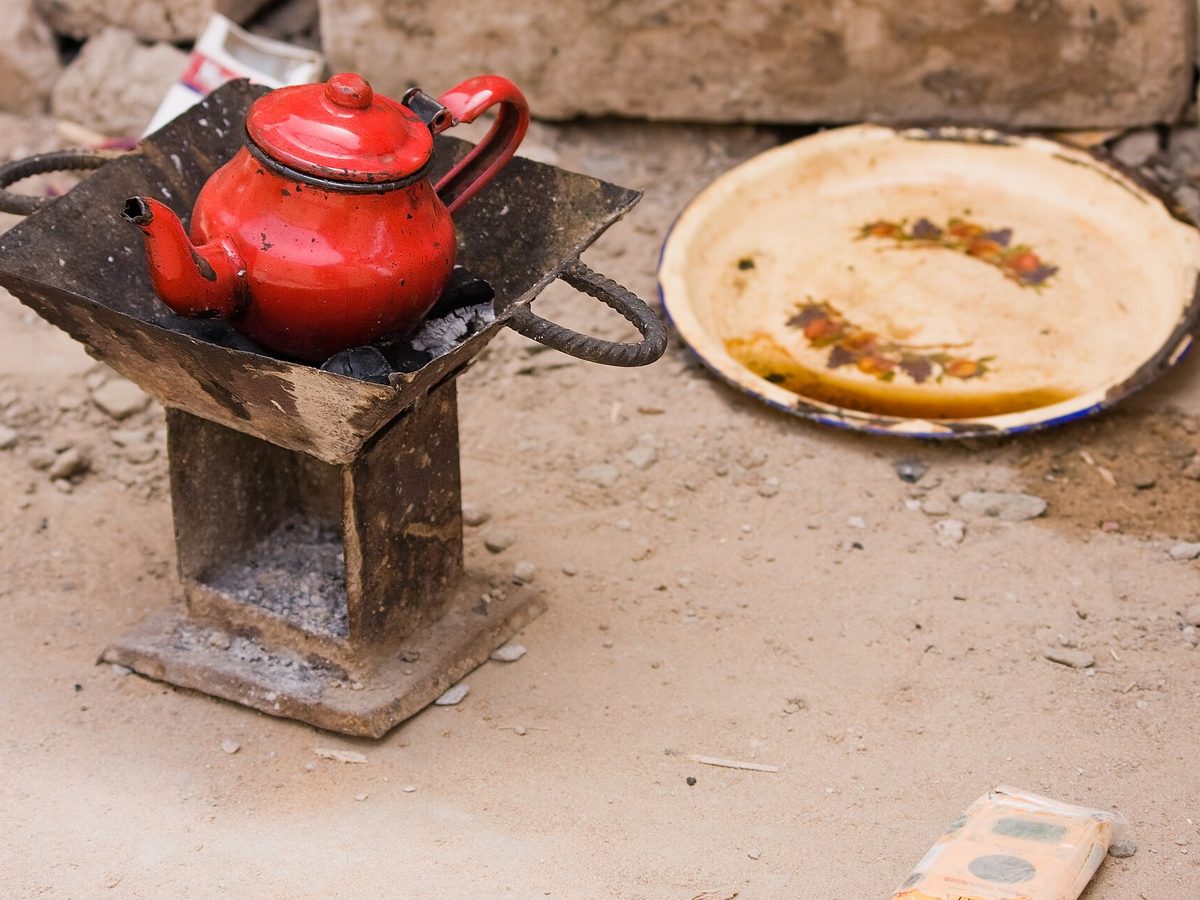
Ask for tea in Morocco or Algeria and there is a fair chance the leaves in the glass look like tiny curved eyebrows. Chun Mee, whose name is usually translated as Precious Eyebrows, is rolled into small arcs and is famous largely because of export demand from North Africa, where it is brewed strong and taken with sugar or fresh mint.
The leaf is produced mainly in Jiangxi and neighboring provinces. Rolled tight, it keeps well and travels better than flatter green teas. The cup is brisk and assertive, with a distinctive plum-like fruitiness sitting over dry grassy depth and a slightly astringent finish. It stands noticeably bolder than most Chinese greens, which is exactly why it holds up to mint and sugar. Quality varies widely between lots, and that bright fruity note is a useful signal that you have a good one. Caffeine runs about 25–45 mg per cup. Use roughly 3 g per 250 ml at 75–85°C and steep two to three minutes; the tea forgives a longer infusion better than delicate greens and can be resteeped two to three times.
FAQ
Chun Mee Tea FAQ
Quick answers about Chun Mee tea, drawn from its flavor, origin, caffeine, and brewing profile.
What is Chun Mee tea?
Chun Mee is a Green Tea from Jiangxi. It is also known as Chun Mei and Precious Eyebrows.
Does Chun Mee tea have caffeine?
Yes. Chun Mee is a medium-caffeine tea, typically 25–45 mg per brewed serving.
What does Chun Mee tea taste like?
Chun Mee is known for a profile led by Grassy, Fruity, and Vegetal, with a medium body.
How do you brew Chun Mee tea?
Use about 3 g of tea per 250 ml of water at 75–85°C, steeping for 2–3 minutes. It can be re-steeped 2–3 times.
Is Chun Mee tea bitter?
Bitterness is not a defining note of Chun Mee; its profile centers on Grassy, Fruity, and Vegetal.